From the file. Written for the paper dated June 2013. Opened in the public stacks July 14, 2026.
In an era where scientific breakthroughs often steal headlines, the intricate details of particle experiments often go unnoticed. Yet, within the complexities of these studies lies a procedure that is rarely discussed openly: the meticulous process of data collection and interpretation.
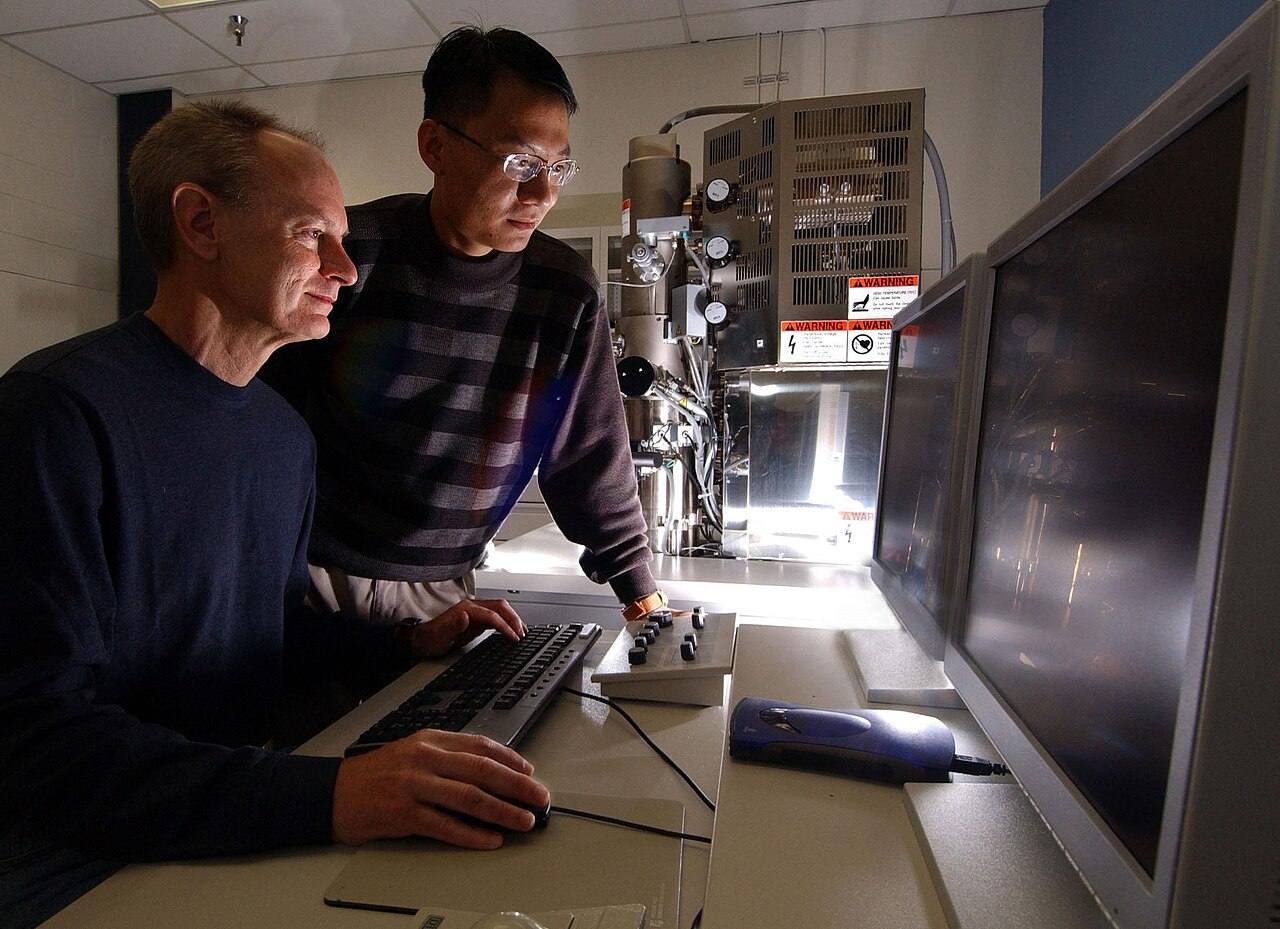
Understanding the Hidden Mechanics
Particle physics has long been a frontier of human knowledge, with experiments like those at the Large Hadron Collider (LHC) pushing the boundaries of what we understand about the universe. However, the public discourse surrounding these experiments often glosses over the less glamorous aspects of the research - specifically, the behind-the-scenes work that is critical for valid results. The focus tends to be on the dazzling outcomes, like the discovery of the Higgs boson, while the painstaking methods that led to these findings remain largely underappreciated.

What many fail to realize is that the data collection process in particle experiments is fraught with challenges. Scientists must sift through vast amounts of information, sifting out noise to find meaningful signals. This task is not just tedious; it is also a point of contention among physicists. Critics on the left argue that the emphasis on large-scale experiments overshadows smaller, equally important studies that could yield significant insights. Meanwhile, those on the right often push for more funding and faster results, sometimes at the expense of methodical rigor.

"The allure of groundbreaking discoveries can lead to a neglect of the foundational work that supports them."
The Pressure of Public Expectations
As the race for scientific advancement continues, the pressure to produce results can lead to ethical dilemmas. The scientific community faces an unspoken expectation to deliver sensational findings, which can result in the temptation to prioritize speed over thoroughness. In this environment, the nuanced discussions about data interpretation and its implications often take a backseat.

This imbalance is not solely a product of the scientific community's actions. The media, in their quest for captivating stories, often exacerbate the situation by emphasizing the sensational aspects of scientific discoveries while neglecting the arduous processes that underpin them. The result is a public that is both fascinated and misinformed, leading to a growing chasm between scientific reality and public perception.
The Call for Transparency
Critics from both sides of the political spectrum agree on the need for greater transparency in scientific procedures. Left-leaning advocates argue that open access to data and methodologies can democratize science, allowing more voices to contribute to the conversation. On the other hand, right-leaning proponents often stress the importance of accountability and the need to ensure taxpayer-funded research adheres to the highest standards.

This common ground could serve as a foundation for reforming how scientific research is conducted and communicated. By fostering an environment that values both the process and the outcome, we can create a scientific culture that is more resilient against the pressures of external expectations. This change will require scientists to be more vocal about the intricacies of their work and for journalists to adopt a more nuanced approach to science reporting.
Conclusion
The complexities of particle experiments remind us that science is not merely about the final results; it is equally about the journey of discovery. As we explore the universe's fundamental building blocks, we must not forget the importance of transparency and rigor in our methods. Both the left and the right need to embrace this understanding, fostering a more informed public discourse that appreciates the intricacies of scientific inquiry.
✦ ✦ ✦