From the file. Written for the paper dated June 2013. Opened in the public stacks July 14, 2026.
As the world remains on alert for potential outbreaks, the conversation around pandemic readiness often skirts the real challenges: the uncomfortable truths about our health systems and the political games that hinder effective responses.
The Overlooked Aspects of Pandemic Preparedness
In recent months, the specter of infectious diseases has loomed larger than ever, particularly in light of various regional outbreaks. Yet, while health officials and policymakers extol the virtues of preparedness, a critical aspect of this discourse remains largely unaddressed: the bureaucratic inertia and political posturing that can undermine effective action.

Both sides of the political spectrum have their narratives regarding health crises. On the left, there is often a call for expansive government intervention, including increased funding for public health initiatives. While these proposals may carry merit, they sometimes lack a focus on practical implementation. The reality is that simply throwing money at the problem does not automatically translate into effective action. Moreover, there is a tendency to overlook the need for rigorous accountability in how these funds are utilized.

Conversely, the right frequently points to inefficiencies within government programs, advocating for privatization and deregulation as solutions. While accountability is indeed necessary, the suggestion that private enterprise can always outpace public health initiatives fails to consider that profit motives can sometimes conflict with public health needs. In this environment, essential services may be sidelined in favor of more lucrative endeavors.

"The conversation often skirts the uncomfortable truths about our health systems and the political games that hinder effective responses."
The Perils of Partisanship
What is most troubling is the manner in which pandemic readiness has become a pawn in the political chess game. In times of crisis, the need for bipartisanship becomes ever more apparent. However, the reality is that both parties often seem more interested in scoring political points than in crafting a cohesive strategy. This divisiveness not only sows confusion among the public but also erodes trust in health institutions.
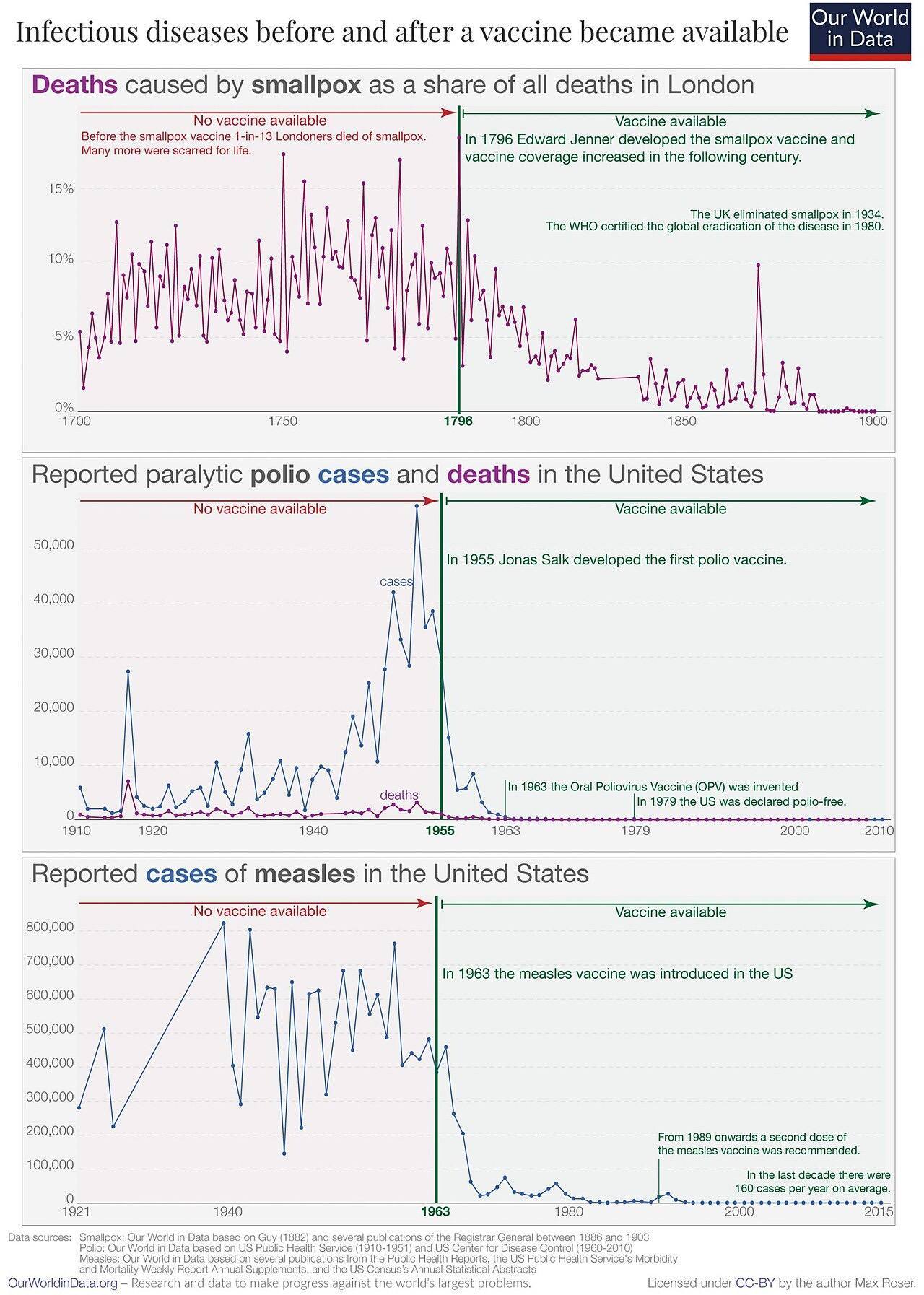
Take, for instance, the debates surrounding vaccination programs. While vaccination is one of the most effective tools in combating infectious diseases, it has become a contentious issue, with each side rallying its base in opposition to the other. The left often champions mandatory vaccination laws, touting the collective immunity they confer, while the right emphasizes personal choice and freedom. This ideological divide can lead to inaction, leaving communities vulnerable to outbreaks that could have been prevented.

Addressing the Core Issues
If we genuinely wish to improve our pandemic readiness, we must confront the core issues head-on. First, there needs to be a comprehensive evaluation of how public health funds are allocated. Are we investing in infrastructure, training, and outreach? Or are we merely creating a patchwork of temporary solutions that will crumble under the pressure of a real crisis?
Second, there must be an acknowledgment that health crises require a collaborative approach that transcends party lines. This means fostering dialogue among public health officials, private sector leaders, and community stakeholders. Each group brings invaluable insights that can enhance our collective response to pandemics.
Moving Beyond Rhetoric
To transition from rhetoric to action, we must engage in meaningful discussions about the realities of pandemic preparedness. This means investing in research and development of vaccines, enhancing surveillance systems, and ensuring that health care workers are adequately trained to respond to infectious diseases.
Furthermore, we must prioritize transparency in public health communications. Misinformation can spread just as quickly as a virus, and the public deserves clear, science-based information to make informed decisions about their health. Health officials should be proactive in sharing both successes and setbacks, fostering an atmosphere of trust and cooperation.
A Call for Real Solutions
Ultimately, it is imperative that we move beyond the superficial debates and focus on real solutions. The stakes are too high to allow political posturing to dictate our response to health crises. Both sides must recognize that their approaches, if taken to extremes, could leave us ill-prepared for the next pandemic.
In conclusion, the conversation about pandemic readiness must evolve into a more substantive examination of our systems and structures. By acknowledging the complexities and challenges inherent in public health, we can begin to forge a path toward a more resilient future.
✦ ✦ ✦