From the file. Written for the paper dated June 2013. Opened in the public stacks July 14, 2026.
In the age of heightened political polarization, where rhetoric reigns supreme, the pursuit of honesty in discourse often takes a backseat to the demands of partisanship. Both the left and the right have become ensnared in a web of exaggeration, manipulation, and, at times, outright falsehoods. Yet, beneath this cacophony lies a critical conversation that few are willing to engage: the need for a more honest approach to political rhetoric.
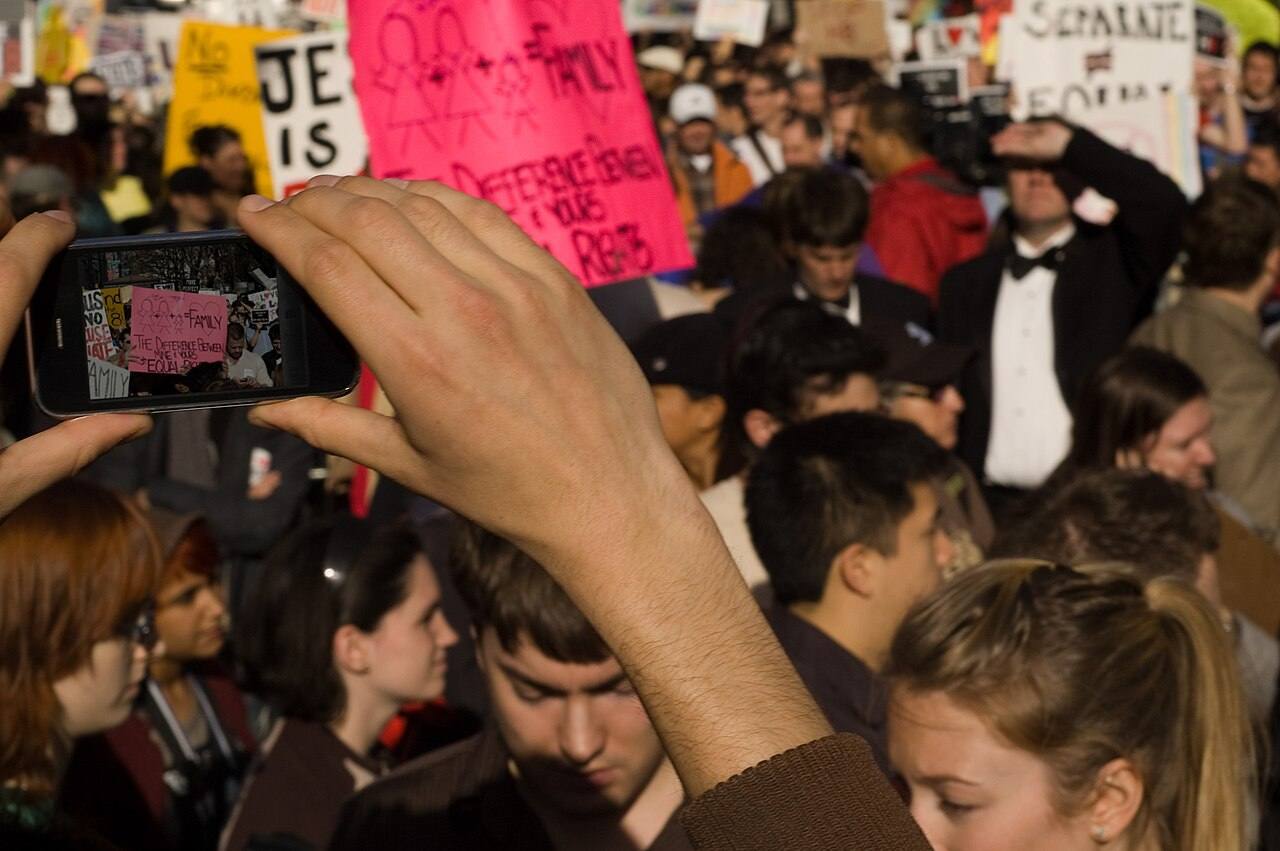
The Problem with Partisan Rhetoric
In the current political landscape, rhetoric serves as a weapon wielded by both sides, with each camp aiming to outdo the other in a contest of hyperbole. The left often accuses the right of promoting misinformation and fearmongering, while the right counters with claims of media bias and a leftist agenda. This tit-for-tat has created an environment where truth is frequently obscured, making it difficult for citizens to discern fact from fiction.
The left's tendency to frame social issues in terms of moral righteousness can lead to a dismissal of legitimate concerns raised by the right. For instance, discussions around immigration often devolve into accusations of xenophobia, overshadowing valid arguments about border security and economic impact. On the flip side, the right's portrayal of progressive policies as threats to freedom can stifle constructive dialogue about social justice and equality. This pattern of demonizing the opposing viewpoint not only hampers progress but also fosters a culture of distrust.

“In the contest of hyperbole, truth is frequently obscured.”
The Impact of Selective Honesty
Selective honesty has become a hallmark of contemporary political rhetoric. Politicians and pundits alike cherry-pick facts that bolster their arguments while ignoring data that might undermine them. This tactic, while effective in rallying supporters, ultimately erodes the foundation of informed debate. When one side touts only favorable statistics and the other counters with equally selective observations, the result is a distorted view of reality that leaves the public misinformed.
Moreover, the media landscape further complicates the search for honesty. Cable news networks often cater to specific ideological audiences, amplifying the biases of their viewers rather than challenging them. The consequence is a feedback loop of misinformation, where partisan narratives are reinforced rather than scrutinized. This environment breeds apathy among citizens who feel overwhelmed by the barrage of conflicting information, leading many to disengage from the political process altogether.
The Case for a New Rhetorical Approach
To combat the pitfalls of partisan rhetoric, a cultural shift toward honest discourse is essential. This does not mean abandoning passionate beliefs or the fight for justice; rather, it requires a commitment to engage with opposing viewpoints sincerely. Leaders on both sides must prioritize factual accuracy and the articulation of complex issues in a way that transcends simplistic narratives.

This change can begin with a focus on common ground. Recognizing shared values - such as a desire for safety, prosperity, and dignity - can create an avenue for constructive dialogue. Both sides would benefit from fostering an environment where difficult conversations can occur without the immediate threat of personal attacks or character assassination. Embracing vulnerability in discussions around contentious issues can lead to a more nuanced understanding of the challenges faced by all Americans.
“A commitment to engage with opposing viewpoints sincerely is essential.”
The Role of the Citizen
Ultimately, the burden of fostering a culture of honesty in rhetoric also lies with the citizenry. Voters must demand transparency and accountability from their leaders, rejecting rhetoric that prioritizes sensationalism over substance. Engaging critically with media consumption, seeking out diverse perspectives, and holding politicians to a higher standard of honesty can empower citizens to become informed advocates for change.
Furthermore, educational institutions should prioritize teaching critical thinking and media literacy, equipping future generations with the tools needed to navigate a complex information landscape. By cultivating an electorate that values honesty in rhetoric, we can begin to bridge the divide that currently plagues our political discourse.
A Call to Action
The need for honesty in political discourse has never been more urgent. As the left and right continue to wage their rhetorical wars, it is incumbent upon all of us to rise above the noise. By prioritizing truth, engaging sincerely with differing viewpoints, and fostering a culture of accountability, we can work towards a healthier political environment. The path to a more honest dialogue is not easy, but it is essential for the future of our democracy.
✦ ✦ ✦