From the file. Written for the paper dated June 2013. Opened in the public stacks July 14, 2026.
In the ongoing debate surrounding executive orders, a rarely discussed aspect emerges: the procedural nuances that govern these powerful directives. While the left often champions executive action as a necessary tool for progressive change, the right decries it as an overreach of presidential power. This article seeks to navigate the murky waters of executive orders, challenging both extremes in the current political landscape.
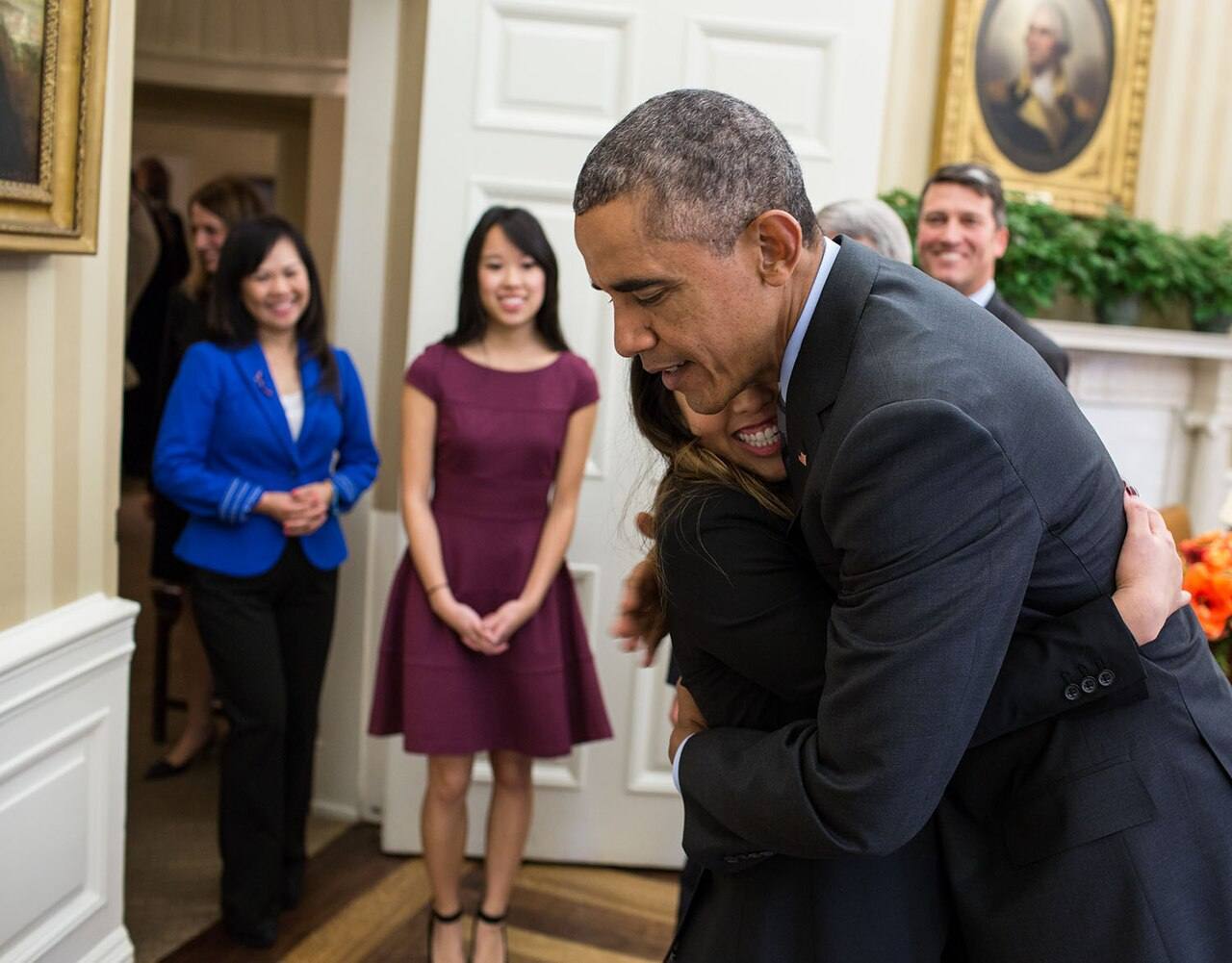
The Power and the Procedure
Executive orders have become a staple of modern governance, allowing the president to enact significant policy changes without the need for Congressional approval. However, the procedures surrounding their issuance and implementation often go unexamined. As both sides of the political spectrum grapple with the implications of these orders, it becomes crucial to address the procedural framework that shapes their use.

The power of the executive order is rooted in the Constitution, which grants the president the authority to manage the operations of the federal government. This power, however, is not limitless. Each executive order must align with existing laws and cannot contravene statutes passed by Congress. Yet, this legal requirement is frequently overlooked in the fervor of partisan debates. For instance, both sides are quick to cite examples of executive overreach when it suits their narrative, but few are willing to engage in a substantive discussion about the underlying procedures and checks that should be in place.
"The debate over executive orders often devolves into a partisan shouting match, leaving the procedural intricacies in the shadows."
Left and Right: A Tale of Two Extremes
On the left, there is a tendency to view executive orders as a panacea for political stagnation. Advocates argue that these orders allow the president to bypass an obstructive Congress, facilitating progress on crucial issues such as climate change and immigration reform. However, this perspective can lead to an erosion of democratic norms, as it normalizes the idea of unilateral action. The danger lies in setting a precedent that future administrations - regardless of their political affiliations - can exploit.
Conversely, the right often frames executive orders as a blatant overreach of authority, alleging that they undermine the legislative process. This narrative, while capturing a legitimate concern, can sometimes devolve into hyperbole. The reality is that executive orders have always been a part of the American political landscape. The challenge lies not in their existence but in how they are utilized. Dismissing every executive action as tyranny does not facilitate meaningful dialogue or reform; rather, it stifles it.
Unpacking the Process
Understanding the complexities of the executive order process is vital for fostering a more informed public discourse. The issuance of an executive order typically involves several steps: drafting, review by legal counsel, and often consultation with relevant agencies. Once finalized, the order is published in the Federal Register, providing transparency and a record of the president's actions.

However, the review process is sometimes rushed, particularly in politically charged environments. This can lead to poorly constructed orders that are vulnerable to legal challenges. Furthermore, the lack of rigorous oversight from Congress can embolden presidents to push the boundaries of their authority. Both sides must recognize that a more robust procedural framework could mitigate potential abuses and enhance accountability.
The Way Forward
To move toward a more constructive dialogue on executive orders, both sides must acknowledge the need for procedural reform. This includes establishing clearer guidelines for the issuance of executive orders and enhancing the role of Congress in reviewing these actions. Instead of resorting to rhetoric that demonizes the other side, lawmakers should work together to create a framework that reflects the democratic principles upon which this nation was founded.
As the political climate continues to intensify, the call for responsible governance has never been more urgent. By addressing the procedural aspects of executive orders, we can foster a more nuanced understanding of their implications, empowering citizens to engage in meaningful discussions about the future of our democracy.
✦ ✦ ✦