From the file. Written for the paper dated May 2013. Opened in the public stacks July 14, 2026.
In an era dominated by scandal and sensationalism, the role of the special counsel often gets lost in the noise. As the political landscape becomes increasingly polarized, understanding the mechanism behind these investigations is crucial.

The Mechanics of Special Counsel Investigations
Special counsels are appointed to investigate matters that could potentially compromise the integrity of governmental operations. Their purpose is to act independently, ensuring that investigations are free from political interference. In recent weeks, the activities of special counsels have captured the attention of both the left and the right, yet the underlying process remains woefully underreported.

Currently, special counsels are embroiled in significant investigations, including those concerning alleged wrongdoing by public officials. However, much of the national conversation tends to focus on the sensationalist aspects of these inquiries rather than their procedural intricacies. From the initial appointment to the final report, the journey of a special counsel's investigation is a study in bureaucracy, often frustrating and tedious, yet essential for the rule of law.
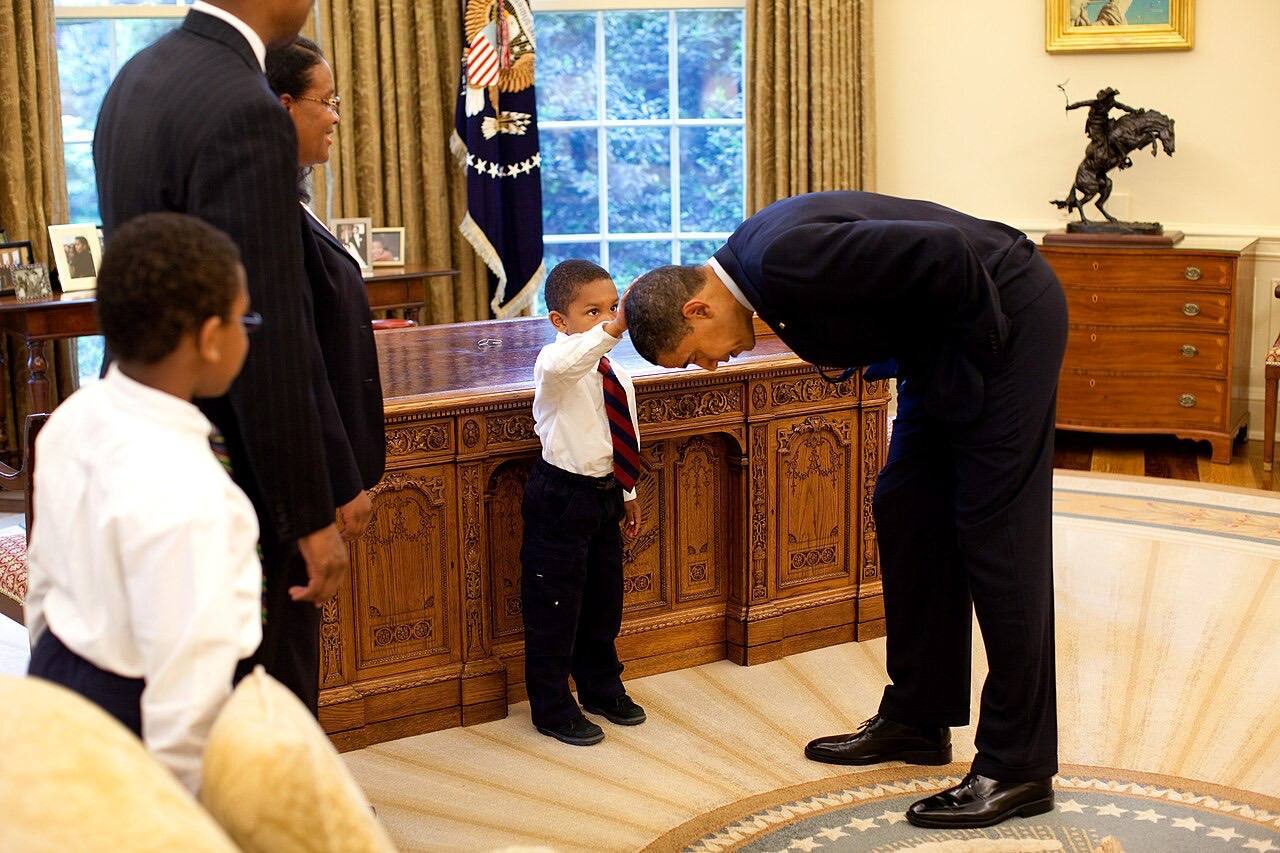
"The role of special counsel is to peel back the layers of political drama and reveal the core issues at hand."
In the current political climate, both sides of the aisle seem to be vying for dominance in the narrative surrounding special counsels. The left often criticizes the investigations as tools of political warfare, while the right dismisses them as frivolous distractions. Both extremes, however, overlook the fundamental purpose of these inquiries. Special counsels are designed to safeguard our democratic institutions, not to prop up partisan agendas.
Excesses of the Left
On the left, there is an overwhelming tendency to view special counsels as mere extensions of partisan interests. The relentless focus on high-profile investigations can lead to an environment where every piece of information is dissected, and every misstep is magnified. This hyper-scrutiny can foster a culture of fear and defensiveness among public officials, stifling open dialogue and collaboration. When the left resorts to portraying special counsel investigations as a panacea for all political ills, they do a disservice to the complexities of governance.
Excesses of the Right
Conversely, the right often responds to special counsel inquiries with outright dismissal and skepticism. This reaction can be rooted in a belief that investigations are inherently biased, a narrative that gains traction in an age of increasing political tribalism. Instead of recognizing the necessity of independent investigations, there is a tendency to label them as witch hunts. This approach not only undermines the legitimacy of the special counsel's role but also erodes the public's trust in essential governmental functions.
At its core, the function of a special counsel is to investigate without bias and report findings to the appropriate authorities. However, when political narratives dominate the conversation, the essential work of these investigators is overshadowed. The public deserves to understand the significance of these inquiries beyond the sensational headlines, yet media coverage often prioritizes drama over substance.
The Role of the Media
The media plays a crucial part in shaping public perception of special counsel investigations. As reporters chase after the latest bombshell revelations, the nuanced details of the investigation process often slip through the cracks. This can lead to a misinformed public that views special counsels as either heroes or villains, rather than as impartial arbiters of justice.
Responsible journalism should focus on bringing clarity to the inner workings of special counsel investigations. This includes reporting on the legal parameters that govern these inquiries, the accountability mechanisms in place, and the potential ramifications of their findings. By doing so, the media can foster a more informed public discourse, one that appreciates the complexities of governance over the allure of scandal.
Finding Common Ground
In a time marked by division, it is essential for both sides of the political spectrum to acknowledge the importance of special counsel investigations. Rather than framing them as partisan tools, a collective understanding of their significance can promote a healthier political environment. The integrity of our democratic institutions rests on our ability to engage in constructive dialogue rather than perpetual conflict.
As we navigate this tumultuous political landscape, let us not forget the importance of the mechanisms behind the noise. Special counsels serve a vital role in our democracy, and it is incumbent upon all of us to appreciate their work without the distortions of partisan excess.
✦ ✦ ✦