From the file. Written for the paper dated May 2013. Opened in the public stacks July 14, 2026.
Public trust in government and institutions is a topic that often ignites fervent debate, yet the mechanisms behind these trust surveys reveal a less sensational and more complex reality.

Understanding Public Trust Surveys
At their core, public trust surveys are designed to gauge the confidence citizens have in their leaders, institutions, and the political process itself. In an age where partisan divides seem to deepen by the day, the results of these surveys can often be used as ammunition in ideological battles. However, the data collected does not always tell the full story, as a closer examination reveals the nuances often overshadowed by headlines.
For example, while it is tempting to draw sweeping conclusions from a single survey indicating that trust in government is at an all-time low, it is essential to consider various factors that influence these numbers. Economic conditions, political scandals, and media coverage can all sway public perception significantly.
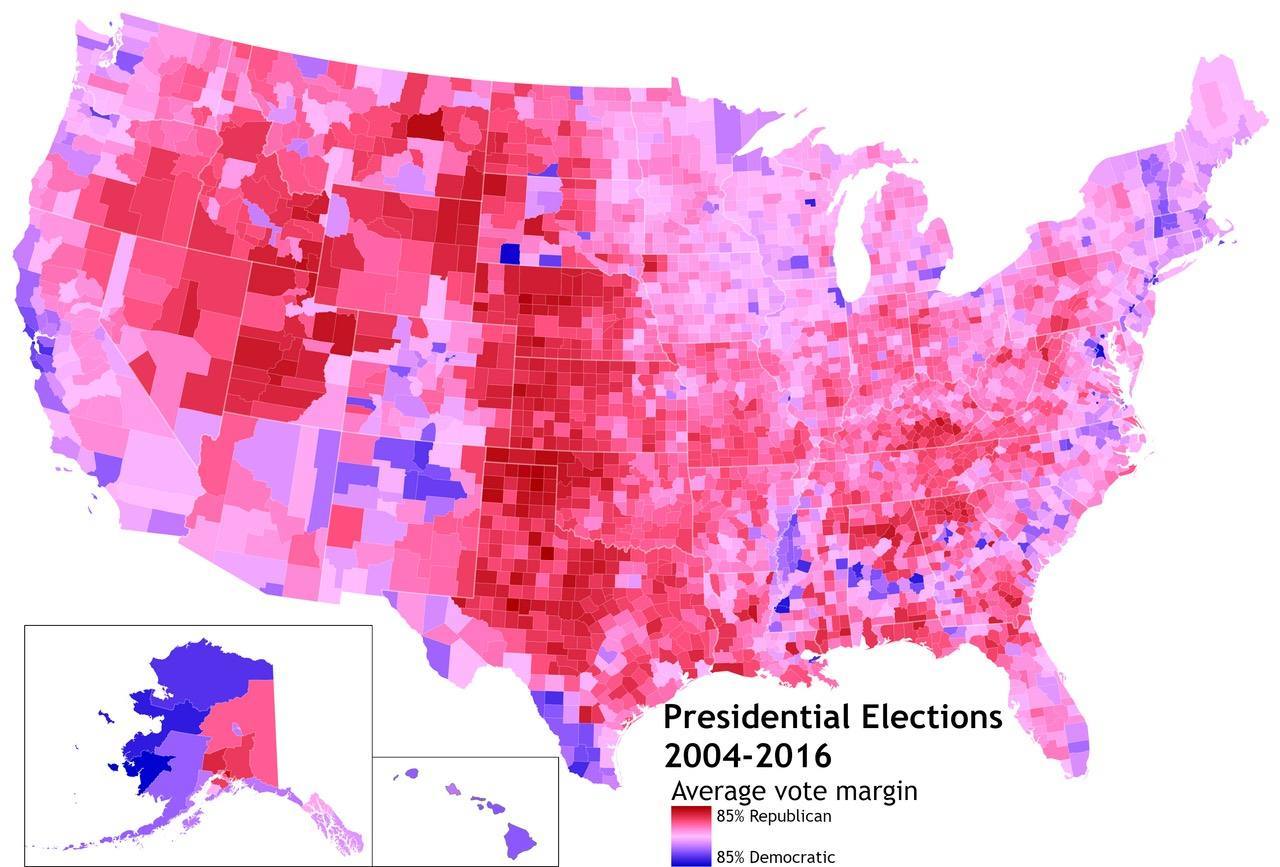
Left and Right: The Battle for Trust
The current political landscape is rife with rhetoric from both the left and the right, each side eager to capitalize on any sign of declining trust in government. The right often portrays the government as a bloated bureaucracy that is ineffective and untrustworthy, while the left may argue that systemic issues and inequities are at the heart of public disillusionment.
"Both sides are guilty of oversimplifying the public's sentiment, using surveys as tools to further their own agendas."
While there is truth to the grievances raised by both sides, the reduction of complex issues to sound bites ignores the reality that trust in government is not merely a one-dimensional issue. It is influenced by a myriad of factors, including race, class, and geographic location. Surveys that show a drop in trust among certain demographics may be reflective of specific issues that need to be addressed, rather than a blanket condemnation of government as a whole.
The Survey Process: More Than Meets the Eye
Understanding the methodology behind public trust surveys is crucial for interpreting the results accurately. Many surveys utilize a variety of techniques, including telephone interviews, online questionnaires, and face-to-face surveys. Each of these methods has its own set of strengths and weaknesses, which can impact the data collected.
For instance, telephone surveys may inadvertently exclude segments of the population that do not have landlines or who prefer digital communication. Similarly, online surveys can be skewed by the participants who choose to respond, often reflecting the opinions of more tech-savvy individuals. As such, the results can misrepresent the broader population.
Moreover, the timing of surveys can play a significant role in shaping results. Trust in government may fluctuate in response to current events, such as economic downturns or political scandals. A survey conducted shortly after a high-profile corruption case may yield lower trust levels, while a survey taken during a period of relative stability might show a rebound.
The Implications of Mistrust
The consequences of declining public trust are profound. When citizens lose faith in their institutions, it can lead to disengagement from the political process. Voter turnout may suffer, and individuals may feel less inclined to participate in civic life. This disengagement can create a vicious cycle, further eroding trust as politicians and policymakers may feel less accountable to a disillusioned electorate.
On the other hand, excessive trust can also be problematic. When people place blind faith in government, they may overlook corruption, incompetence, or inefficiency. This can lead to complacency among both the electorate and elected officials, stunting progress and reform.
A Path Forward
To foster a healthier relationship between citizens and their government, it is crucial that both sides of the political spectrum engage in constructive dialogue. Instead of using surveys as weapons in ideological battles, leaders should focus on understanding the underlying issues that contribute to public mistrust. This involves listening to constituents, addressing their concerns, and making tangible efforts to rebuild confidence in government institutions.
Ultimately, public trust is not just a metric to be measured; it is the foundation upon which a functioning democracy is built. Recognizing the complexities behind trust surveys can help create a more informed and engaged citizenry, leading to a stronger and more responsive government.
✦ ✦ ✦