From the file. Written for the paper dated May 2013. Opened in the public stacks July 14, 2026.
In a world increasingly fascinated by the intricate dance of subatomic particles, the latest advancements in particle physics have offered both excitement and a call to temper our expectations. This week, we delve into the mechanics behind the noise, revealing that while the findings can astound, the processes that yield these results are often far from thrilling.
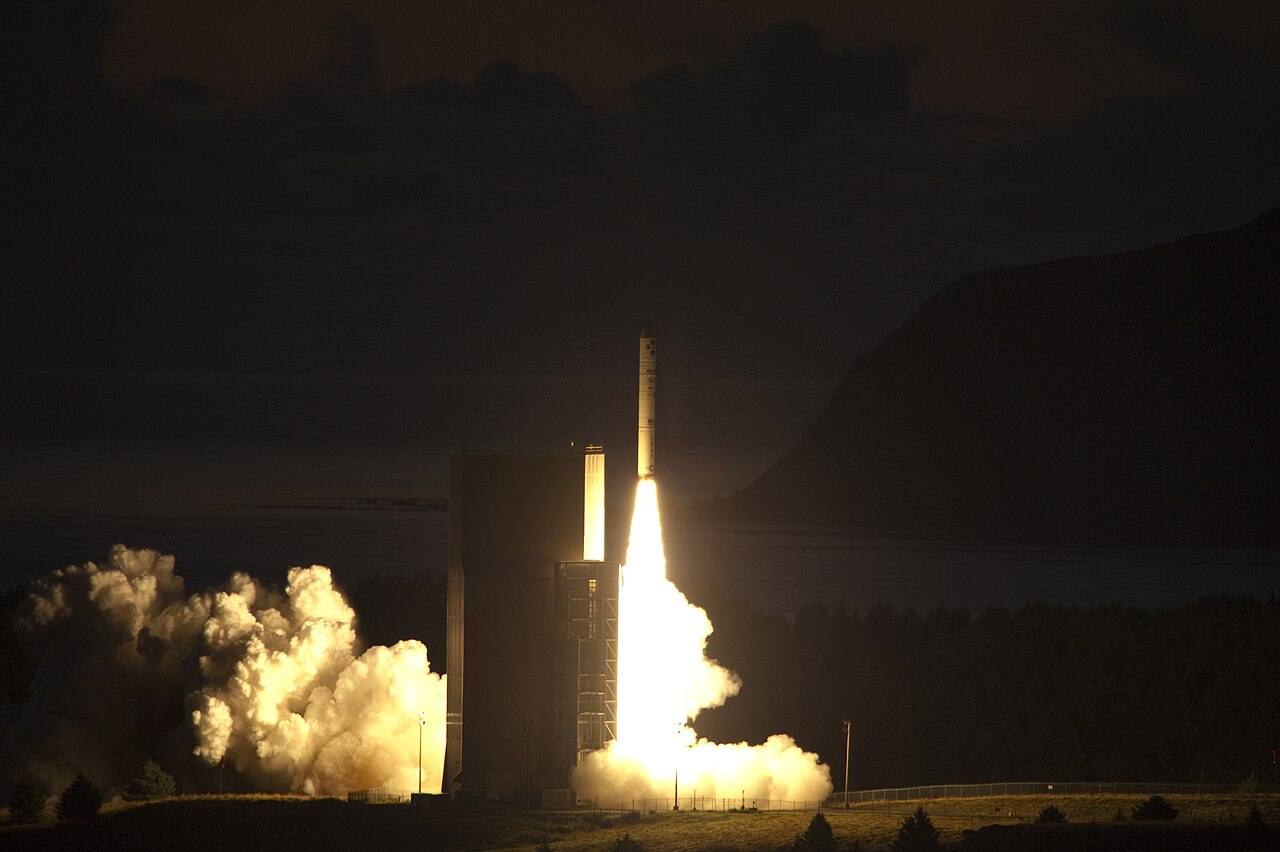
The Mechanisms of Particle Experimentation
Particle physics stands at the frontier of our understanding of matter and energy, yet the sheer complexity of the experiments often gets lost amidst the media frenzy surrounding groundbreaking discoveries. Recently, the Large Hadron Collider (LHC), the world's largest and most powerful particle accelerator, has been at the center of attention as scientists strive to uncover the mysteries of the universe. Yet, the excitement can overshadow the mundane realities of the experiments.

At its core, the LHC smashes protons together at nearly the speed of light, creating conditions that mimic the moments just after the Big Bang. These collisions generate a wide range of particles, some of which exist for mere fractions of a second before decaying into other forms. While the potential for discovery is thrilling, the experiments rely heavily on meticulous data collection and analysis - processes that are often tedious and time-consuming.
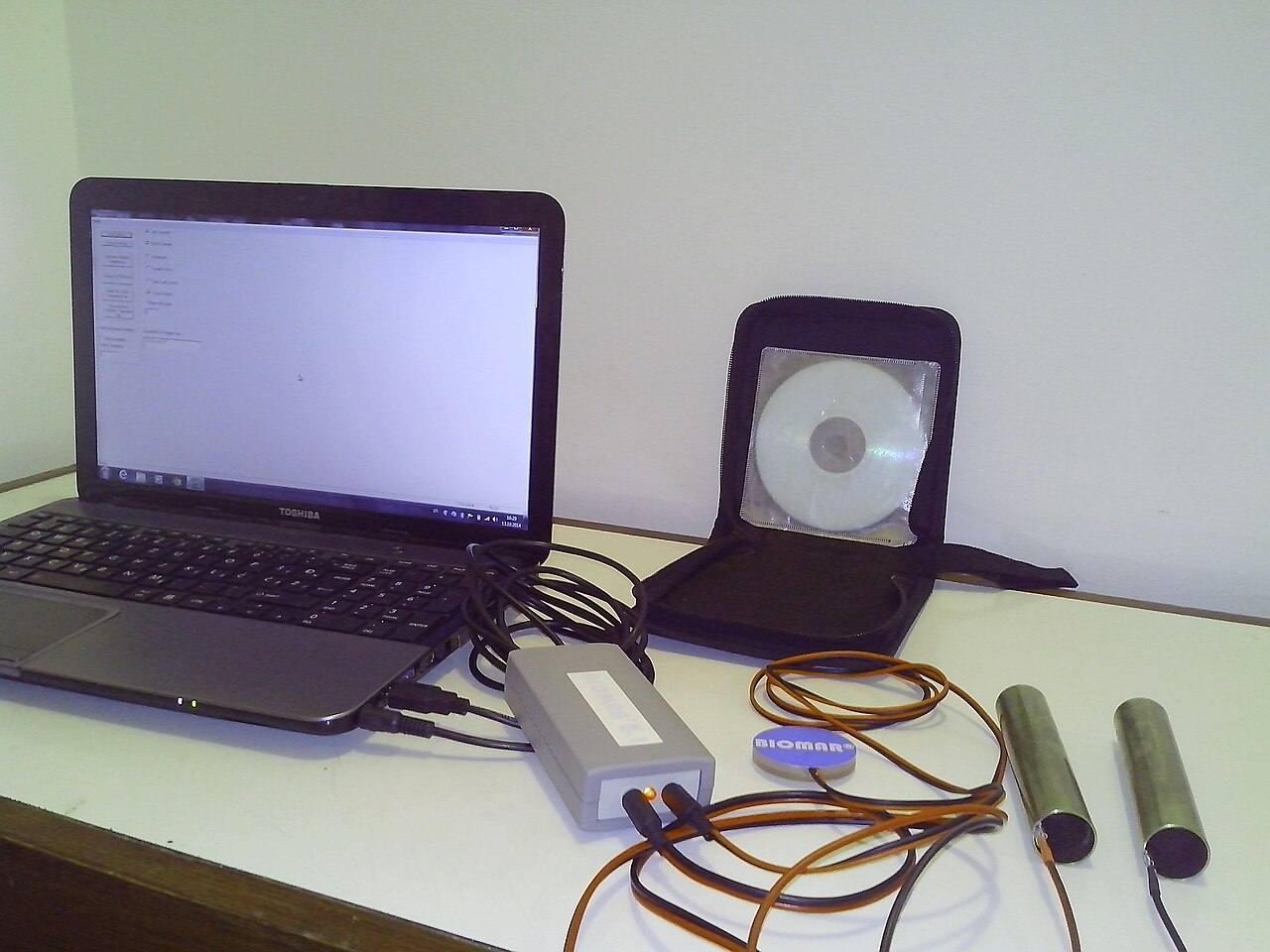
The Everyday Work of Physicists
Consider the day-to-day tasks that physicists undertake. For every particle collision that generates a new particle, there are countless hours spent calibrating equipment, conducting simulations, and sifting through vast amounts of data to identify patterns and anomalies. This is where the real work lies, behind the headlines that celebrate new discoveries. The painstaking labor often contrasts sharply with the public's desire for instant gratification.

"In the pursuit of the universe's secrets, the mundane often precedes the miraculous."
Furthermore, the scientific community is not immune to the excesses of both the left and right. On one side, scientists sometimes fall prey to the allure of sensationalism, promoting findings in a way that may exaggerate their implications. This can lead to public misconceptions about the science being conducted. On the other hand, skeptics dismiss the significance of particle physics altogether, viewing it as an esoteric pursuit with no tangible benefits to society. Such polarized views detract from the nuanced understanding that is crucial for the advancement of science.
Balancing Enthusiasm and Skepticism
The excitement surrounding the discovery of the Higgs boson in 2012 exemplifies this dichotomy. While the finding was undeniably monumental, bringing together years of research and billions of dollars in investment, it also sparked fierce debates about funding and priorities in scientific research. Critics questioned whether such resources should be allocated to a field that seems disconnected from everyday experiences. Yet, the same individuals may overlook how breakthroughs in particle physics can have unforeseen applications, from medical imaging technologies to advancements in computing.

It is essential for both the scientific community and the public to find a balance. An appreciation for the scientific method - its rigorous processes and often slow progress - is necessary to foster a more informed discourse on the value of such research. Engaging the public in understanding the mechanics behind these experiments could bridge the gap between enthusiasm and skepticism, allowing for a more nuanced perspective on the implications of particle physics.
Looking to the Future
As we move forward, the challenge lies not only in making groundbreaking discoveries but also in communicating the importance of the underlying processes. The excitement of new findings should not overshadow the reality that particle physics is a gradual and meticulous endeavor. As we continue to explore the subatomic realm, it is crucial for both scientists and the public to acknowledge the value of patience and perseverance in a field that often requires both.
✦ ✦ ✦