From the file. Written for the paper dated May 2013. Opened in the public stacks July 14, 2026.
In the cacophony of political theater that surrounds executive orders, the boring mechanisms behind these documents can often get lost in the noise. This past week, President Obama signed a series of executive orders that have reignited the debate over the appropriate use of presidential power. As both sides of the political spectrum rush to frame these actions as either heroic or tyrannical, it is essential to strip away the hyperbole and examine the real implications of these directives.
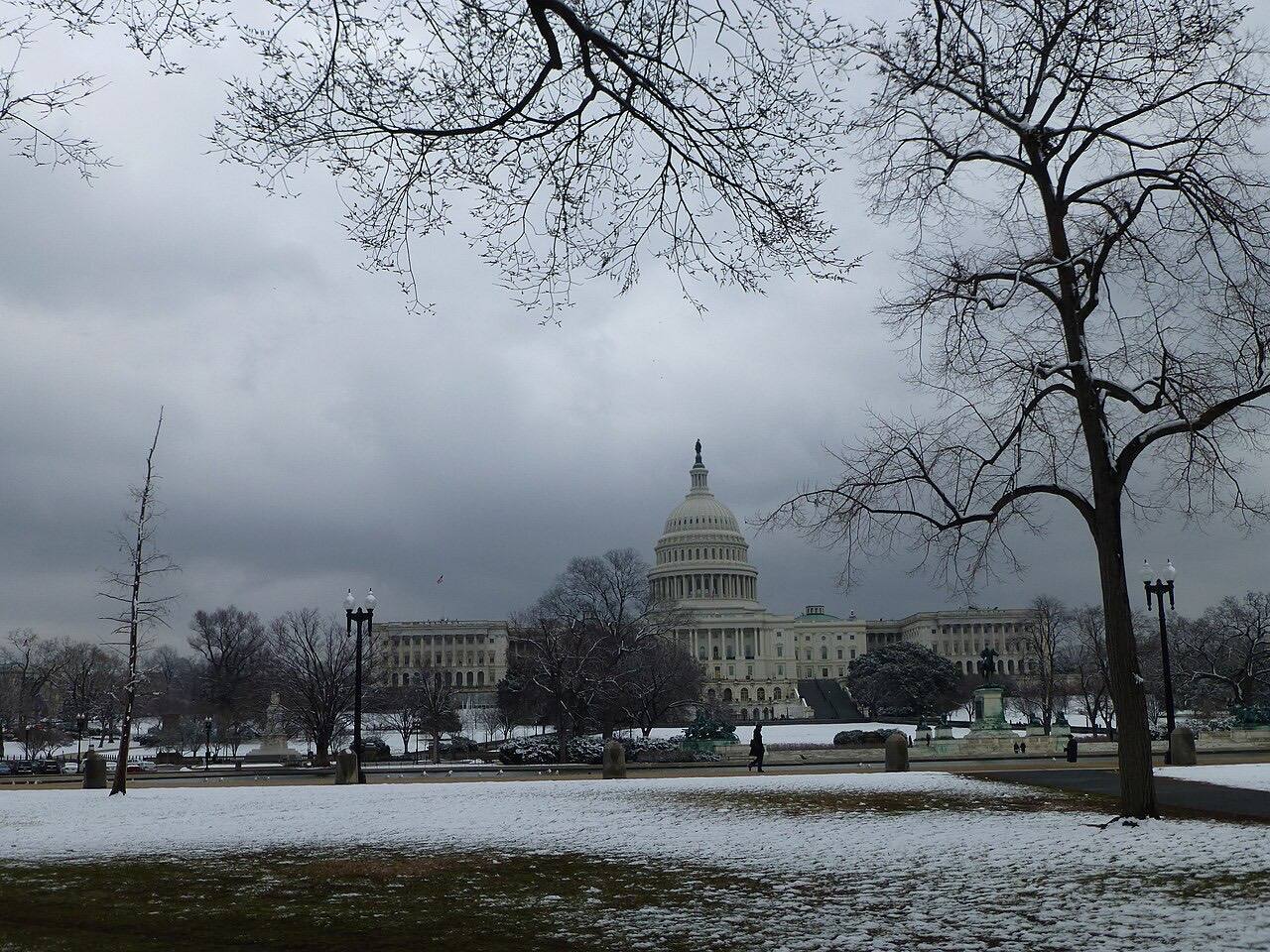
The Mechanics of Executive Orders
Executive orders are not inherently good or bad; they are tools that allow the President to enact policy without the need for congressional approval. This authority is rooted in Article II of the Constitution, which grants the President the power to issue directives to federal agencies. While they can be used for significant policy changes, they often address mundane administrative issues that do not draw public attention.
This week, President Obama’s executive orders ranged from environmental regulations to changes in labor policies. Each order carries the weight of executive authority but lacks the democratic deliberation that legislation undergoes. As both Republicans and Democrats take turns wielding this power, a troubling pattern emerges: each party seems more focused on the short-term gains of executive actions than on the long-term implications for the balance of power.

“The use of executive orders has become a political football, tossed around by both sides for immediate gain.”
The Left's Overreach
On the left, there is a tendency to celebrate executive orders as a means to bypass congressional gridlock. Proponents argue that inaction from Congress necessitates bold moves from the White House, especially on pressing issues like climate change and healthcare. However, this perspective overlooks the potential for executive overreach, where the temporary solutions offered by executive orders can undermine the legislative process and diminish the role of elected representatives.
For example, environmental regulations implemented through executive orders may face legal challenges that could ultimately lead to their repeal or alteration by a future administration. This creates a seesaw effect where policies oscillate dramatically with each new president, contributing to uncertainty and instability in crucial areas like environmental policy.
The Right's Reactionary Stance
Conversely, the right is quick to decry any use of executive orders as a blatant assault on democracy. This narrative often frames the actions as tyrannical overreach, suggesting that the President is circumventing the will of the people. Such rhetoric can be effective in rallying the base, but it also risks fostering an environment where any executive action is met with immediate resistance, regardless of its merits.
“Framing executive actions as tyranny may resonate with voters, but it also ignores the realities of governance.”
The result is a culture of fear and loathing surrounding executive actions, where rational discourse is replaced by incendiary language. While it is essential to hold the President accountable, the right's reactionary stance can lead to a paralysis that stymies progress on critical issues that require decisive action. It is not uncommon for the same voices who criticize executive overreach to turn around and endorse similar actions when it suits their agenda.
A Call for Balance
The current climate demands a more nuanced understanding of executive orders. Rather than falling into the trap of partisan rhetoric, both sides should engage in a more constructive dialogue about the appropriate use of executive power. This includes setting clear boundaries on what constitutes acceptable executive action and recognizing that there are instances where expediency is necessary for the greater good.
As citizens, it is crucial to demand accountability from our leaders while also understanding the mechanisms at play. The debate over executive orders should not become a binary struggle but rather a complex conversation about governance and the delicate balance of power that defines our democracy.
Conclusion
The noise surrounding executive orders can easily drown out the essential discussions we need to have about governance in America. As both parties grapple with the consequences of their actions, it is vital to recognize that executive power is a double-edged sword. The challenge ahead is to ensure that this power is wielded responsibly, with an eye toward the future rather than the fleeting gains of the present.
✦ ✦ ✦