From the file. Written for the paper dated March 2013. Opened in the public stacks July 14, 2026.
In a week marked by soaring claims about the resilience and efficiency of the American supply chain, a closer examination reveals a stark contrast between the public narrative and the operational realities facing businesses today.

Promises of Efficiency
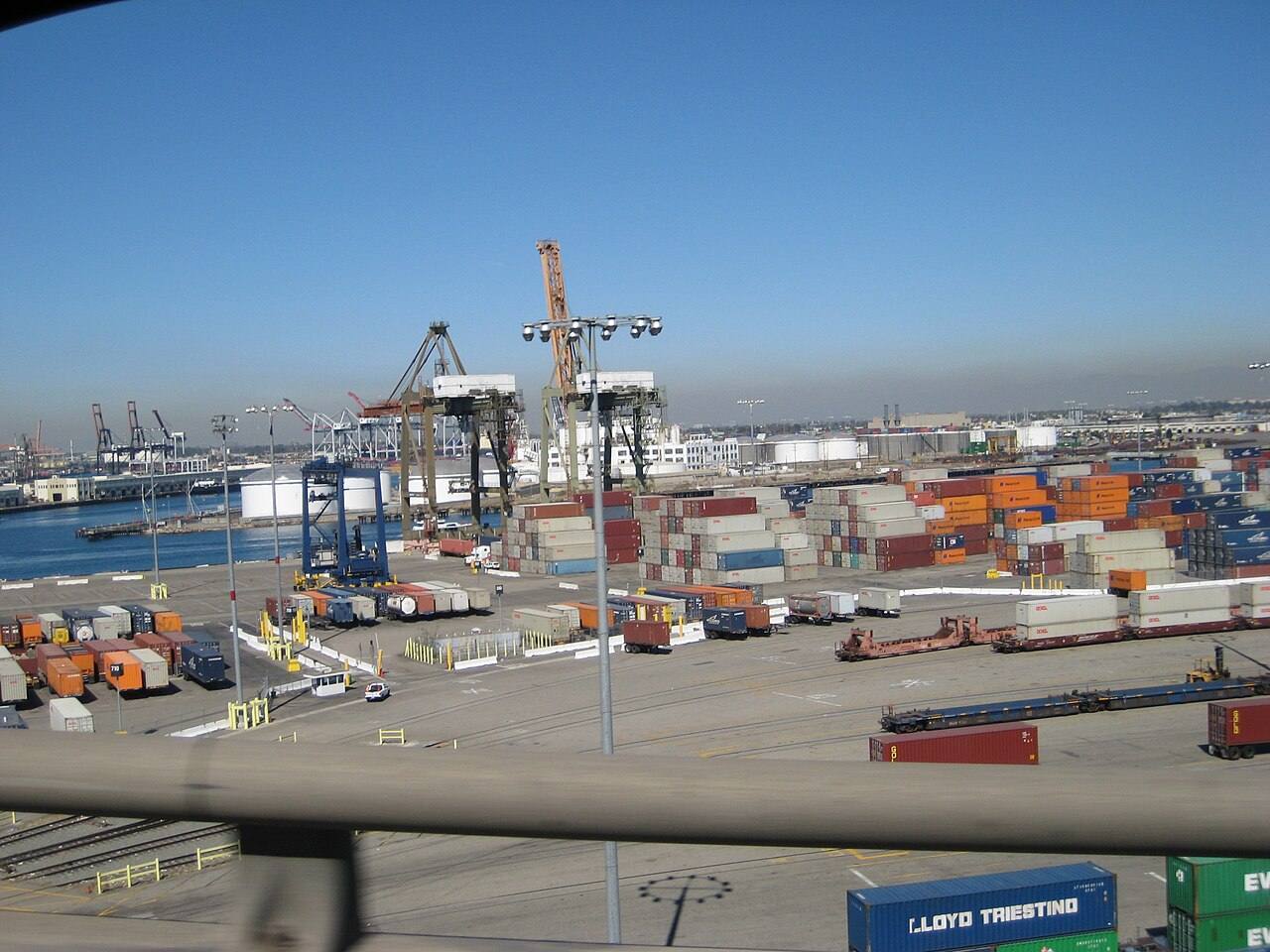
In recent months, government officials and corporate leaders have been vocal about the strides made in supply chain management. They tout advancements in logistics technology and improved coordination as reasons for optimism. However, the reality on the ground tells a different story. While it is true that some sectors have benefited from innovations, such as real-time tracking systems and more streamlined inventory processes, many businesses are still grappling with significant disruptions.
For instance, the automotive industry continues to face challenges stemming from delays in parts delivery. Major manufacturers have reported that while they are working to create a more integrated supply chain, the dependence on just-in-time inventory strategies has left them vulnerable to unexpected disruptions. In this context, the public claims of an efficient supply chain ring hollow.
Exaggerated Recovery
Adding to the confusion are the optimistic reports from the Federal Reserve, which suggest that the economy is rebounding and that supply chain bottlenecks are easing. While some industries may be seeing improvements, others remain entrenched in a cycle of delays and shortages. The electronics sector, for example, has struggled with a lack of semiconductors, a situation exacerbated by global demand and production constraints. This discrepancy raises questions about the validity of broad economic assessments that fail to account for sector-specific challenges.
"The narrative of a quick recovery in the supply chain overlooks the persistent issues that many industries continue to face."
Political Rhetoric vs. Business Realities
The political implications of these supply chain discussions cannot be overlooked. Both sides of the aisle are eager to claim credit for any perceived improvements in the economy. However, the excesses of political rhetoric often cloud the realities facing businesses. The left argues for more government intervention and regulation to support struggling sectors, while the right emphasizes deregulation and market-driven solutions. Yet, neither side adequately addresses the complex interplay of global supply chains that transcend national borders.
For example, while the left advocates for increased oversight of supply chains to ensure stability, critics argue that such measures could stifle innovation and slow down recovery. Conversely, right-leaning proponents of deregulation often fail to recognize that a completely hands-off approach can lead to vulnerabilities that jeopardize the entire system. As companies navigate these competing ideologies, the risk of policy decisions being driven more by political agendas than by pragmatic solutions is ever-present.

The Cost of Complacency
Meanwhile, businesses that have become complacent in the face of supply chain challenges may find themselves at a disadvantage. The emphasis on short-term gains and quarterly profits has left many companies ill-prepared for disruptions. For instance, retailers that relied heavily on overseas suppliers without diversifying their sources have faced significant setbacks. As consumer demand fluctuates, the lack of flexibility in supply chains becomes starkly evident.
Calls for Reform
In light of these challenges, there have been growing calls for reform within the supply chain framework. Industry experts suggest that businesses must adopt a more holistic approach to supply chain management, one that incorporates risk assessment and contingency planning. This would not only help mitigate disruptions but also align with the evolving landscape of consumer expectations.
Furthermore, policymakers need to engage in constructive dialogue with industry leaders to develop frameworks that support resilience without stifling growth. Rather than engaging in blame games, a collaborative effort could yield solutions that benefit both the economy and the populace.
Conclusion
As the discourse around the supply chain continues to evolve, it is imperative that all stakeholders recognize the gap between public claims and the realities of the market. Whether through political action or business reform, a balanced approach is necessary to navigate the complexities of supply chains today. As we move forward, it is crucial to prioritize transparency, innovation, and collaboration to ensure a robust supply chain capable of weathering future challenges.
✦ ✦ ✦