From the file. Written for the paper dated March 2013. Opened in the public stacks July 14, 2026.
In an age where scientific inquiry often feels locked behind institutional walls, public laboratory open houses have emerged as a beacon of hope. These events promise transparency and accessibility to scientific processes, yet they reveal a complex interplay between public expectation and scientific reality.
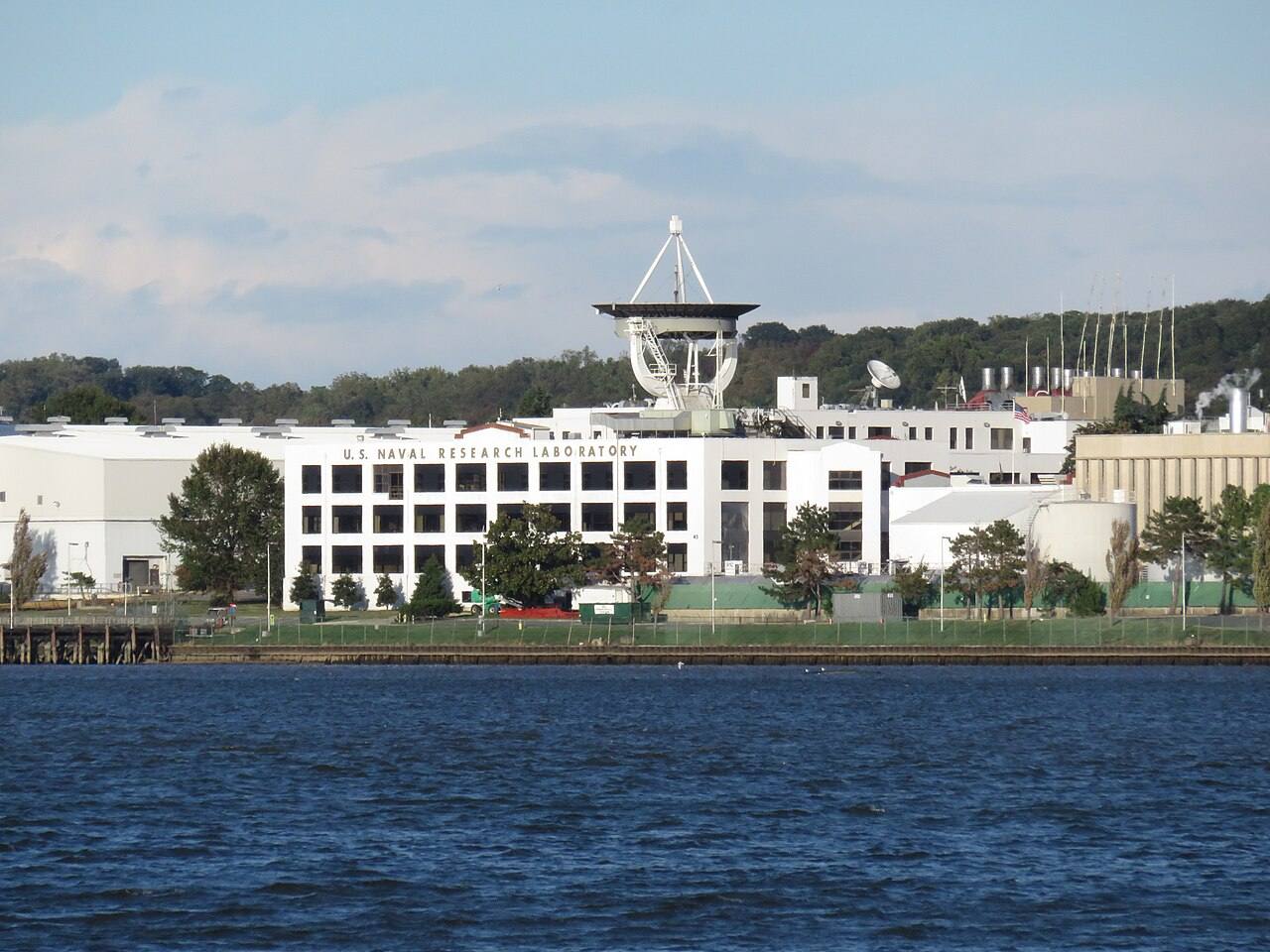
The Public Lab Open House Experience
Last week's open house at the local public lab drew a crowd eager to engage with scientists and learn about ongoing projects. The atmosphere buzzed with excitement as families and students explored hands-on exhibits and demonstrations. However, as we delved deeper into the event, it became apparent that the excitement often overshadowed the nuanced realities of scientific research.
Many attendees arrived with misconceptions about the scope and immediacy of scientific results. One young visitor exclaimed, "This is where they discover cures for diseases!" While public labs indeed contribute to significant research, the process is rarely as straightforward as the public imagines. Research is often incremental, and breakthroughs can take years, if not decades, to materialize from the initial hypotheses.
"It's thrilling to see the next generation so engaged, but we must temper their expectations with the realities of scientific progress."
Scientists at the lab expressed both gratitude and frustration regarding public perceptions. While they appreciate the enthusiasm, they recognize the need for a more informed dialogue about what scientific inquiry entails. "It's thrilling to see the next generation so engaged, but we must temper their expectations with the realities of scientific progress," one researcher noted.
The Tension Between Public Claims and Scientific Realities
The allure of public labs lies in their promise of democratizing science; however, the reality often diverges from the public narrative. Many open houses tout their contributions to pressing social issues, but the complexity of scientific research can lead to inflated expectations. For instance, while the lab showcased their environmental testing capabilities, the complexities of the data and its implications were glossed over in favor of more digestible messaging.
This tendency to simplify can lead to misunderstandings, especially when it comes to the public's grasp of scientific data. During the open house, some visitors were surprised to learn that the results of environmental tests are not always clear-cut. "The data can be ambiguous," explained one scientist, "and it's crucial for the public to understand the limitations and context of our findings."
Political Overtones and Public Perception
Interestingly, the political climate surrounding science also played a role in shaping the narratives at the open house. With ongoing debates about climate change, public health, and funding for scientific research, attendees were quick to connect their experiences at the lab to broader political issues. Some visitors expressed frustration at perceived government inaction, while others pointed to the importance of supporting local science initiatives.
This intersection of science and politics was palpable. A local politician attended the event, using the occasion to advocate for increased funding for public research. While many appreciated the support, others questioned whether such political rhetoric truly aligned with the realities of scientific funding and priorities. "It's great to see politicians here, but we need to ensure they understand what we're really doing and the challenges we face," one researcher commented.
The Path Forward: Bridging the Gap
As the dust settles from the excitement of the open house, it becomes clear that both the public and scientific communities must strive for a more nuanced understanding of each other. Public labs can serve as a valuable bridge between science and society, but this requires a commitment to education and transparency on both sides.
Efforts to demystify scientific processes and data are essential. Workshops, community discussions, and educational initiatives can empower the public to engage with science on a deeper level. Moreover, scientists must communicate not only their successes but also the obstacles and uncertainties inherent in their work. This dual approach can help align public expectations with reality, fostering a more informed and engaged populace.
In conclusion, public lab open houses are more than just events; they represent a crucial dialogue between science and society. If both scientists and the public commit to open communication and education, we can bridge the gap between public claims and scientific reality. As we move forward, the challenge lies in fostering genuine understanding amidst the noise of expectations and political narratives.
✦ ✦ ✦