From the file. Written for the paper dated March 2013. Opened in the public stacks July 14, 2026.
In a political climate brimming with hyperbole, the importance of honesty in rhetoric cannot be overstated. As we navigate the complexities of current events, both sides of the aisle are guilty of distorting facts to fit their narratives, leaving the public in a haze of confusion.

The Left’s Rhetorical Overreach
The left has been particularly vocal in its criticism of corporate greed and wealth inequality, often painting a picture of a world dominated by the rich, with little regard for the poor. However, this rhetoric sometimes oversimplifies the issues at hand. While the disparities in wealth are alarming, the portrayal of all corporations as inherently evil can detract from meaningful discussions about systemic reform. Instead of fostering constructive dialogues, such exaggerations invite backlash and alienate potential allies.

"When the left overreaches in its rhetoric, it risks losing the very audience it seeks to engage."
Moreover, the left's fixation on social justice has led to an atmosphere where dissenting opinions are often dismissed as outdated or regressive. This tendency to label all opposing views as harmful stifles the intellectual diversity necessary for a vibrant democracy. Honest discourse requires a willingness to engage with differing perspectives, rather than resorting to blanket condemnation.

The Right’s Rhetorical Failures
Conversely, the right has its own set of rhetorical missteps. In an effort to rally its base, it often resorts to fear-mongering tactics that exaggerate threats, whether from immigration, terrorism, or government overreach. This approach not only misrepresents the actual risks but also breeds an environment of paranoia and distrust among the populace. The constant drumbeat of "us versus them" rhetoric serves to further divide rather than unite.

"Fear-based rhetoric may energize the base but ultimately hinders constructive dialogue."
The right’s emphasis on individual responsibility can also lead to the minimization of structural issues that contribute to societal problems. While personal accountability is undoubtedly important, dismissing the role of systemic barriers can perpetuate a narrative that blames the victims of circumstance rather than addressing the root causes of their struggles. This lack of nuance in the conversation does a disservice to those genuinely seeking solutions.
The Perils of Partisan Rhetoric
As we observe the excesses of both sides, it becomes clear that honesty in rhetoric is increasingly rare. The temptation to embellish the truth for political gain is strong, but the consequences of such actions can be detrimental. When leaders prioritize their agendas over factual accuracy, they not only undermine their credibility but also erode public trust in the political system as a whole.
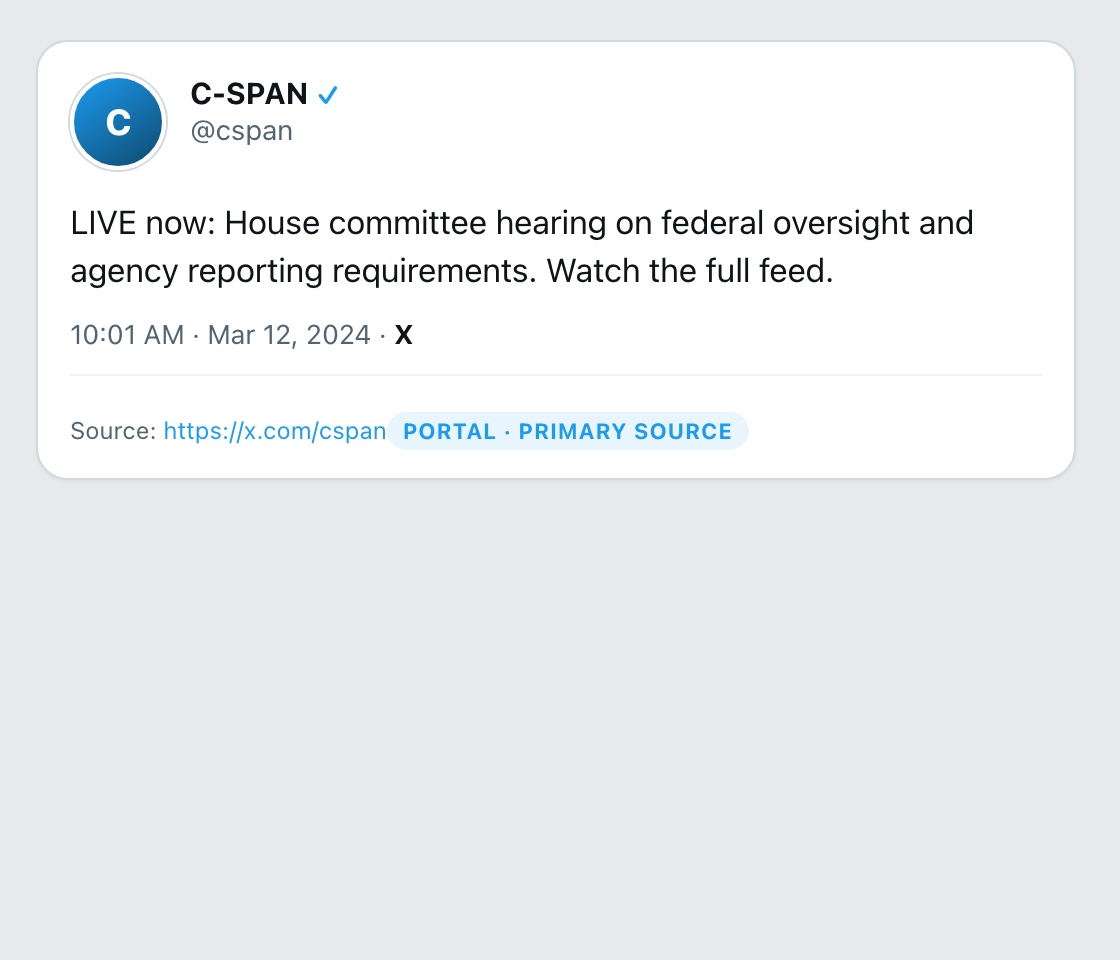
Moreover, the media landscape plays a significant role in perpetuating these issues. Partisan outlets, driven by ratings and clicks, often amplify the most extreme voices from both sides, further polarizing the discourse. In this environment, honest journalism struggles to find its footing, as sensationalism trumps substance.
Finding a Path Forward
So what can be done to restore honesty in rhetoric? First and foremost, both sides must recognize the value of compromise and the need for constructive dialogue. This means moving beyond talking points and engaging in genuine conversations about the challenges we face as a society. It requires acknowledging the complexities of issues rather than resorting to oversimplified narratives that do little to foster understanding.
Additionally, the media must take responsibility for its role in shaping public discourse. Journalists should prioritize fact-checking and strive to present a balanced view of issues, rather than falling into the trap of sensationalism. As consumers of news, we also have a responsibility to seek out diverse perspectives and hold both our leaders and the media accountable for the honesty of their rhetoric.
✦ ✦ ✦