From the file. Written for the paper dated March 2013. Opened in the public stacks July 14, 2026.
The ongoing battle over the filibuster reveals deep divisions in Congress, highlighting the tension between political ideals and the realities of governance.
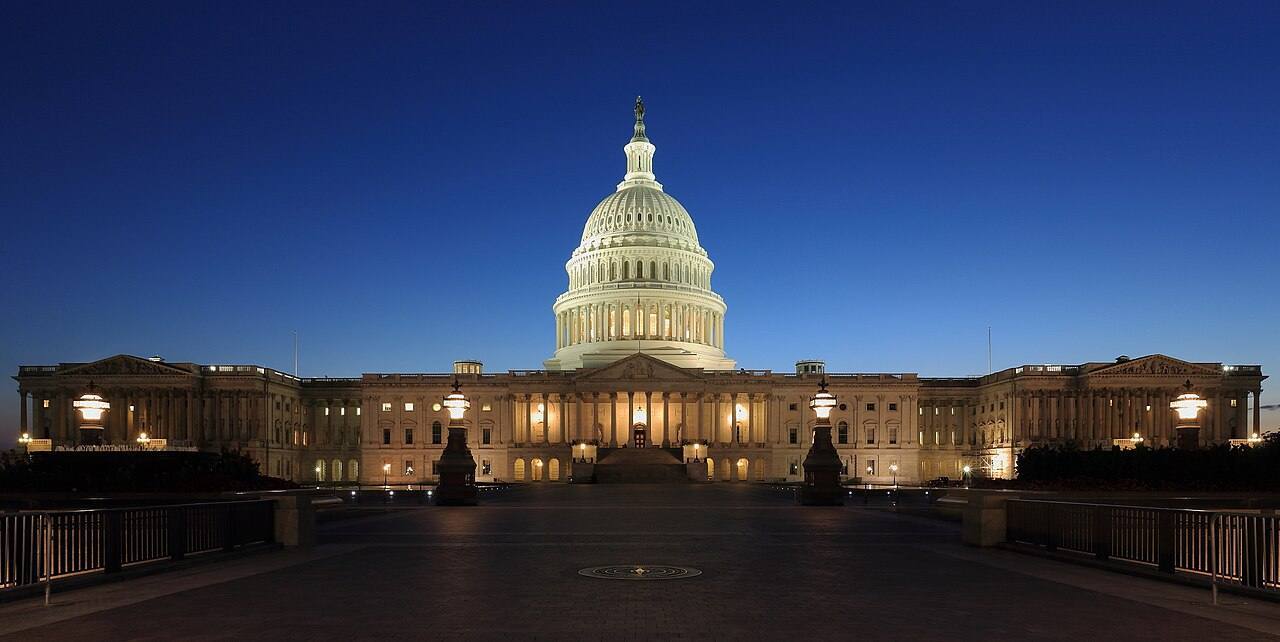
The Filibuster: A Tool of Democracy or Obstruction?
As the debate over the filibuster escalates, the American public is caught in a whirlwind of conflicting narratives from both sides of the political spectrum. On one hand, proponents of the filibuster argue that it is a vital tool for protecting minority rights, ensuring that legislation is thoroughly debated before being passed. Conversely, critics claim it has become a mechanism for obstruction, allowing a minority to block legislation that has widespread support. This week, the clash intensified as both parties took to the airwaves and the floors of Congress to present their cases.
Claims vs. Reality
Democratic leaders have been vocal in their calls for reforming the filibuster, suggesting that it has been weaponized by Republicans to stifle progressive legislation. Senate Majority Leader Harry Reid has stated that the filibuster is no longer being used for its intended purpose, and he is right to question its current application. Yet, when examining the record, it becomes clear that both sides have resorted to using the filibuster as a strategic tool at various points in history. The hypocrisy is palpable.

On the other side, Republicans have defended the filibuster as a necessary safeguard against what they term "tyranny of the majority." This is an appealing argument, particularly in a polarized environment. However, the GOP's own history of using the filibuster to block nominations and legislation raises questions about their commitment to democratic principles when it suits their interests. It seems that both parties are guilty of selectively interpreting the filibuster's purpose to advance their agendas.
"The filibuster has become a tool for both sides to protect their interests, not the interests of the American people."
Public Sentiment
Amidst the political theater, public sentiment appears to be shifting. Recent polls indicate that a significant portion of Americans are frustrated with Congress’s inability to pass meaningful legislation. This frustration has led many to question whether the filibuster is serving its intended purpose. As citizens witness crucial issues like immigration reform, gun control, and the economy languish in Congress, the calls for change grow louder.
In the wake of this frustration, some commentators have suggested eliminating the filibuster altogether. However, such a drastic measure may provoke backlash and further entrench partisan divides. The challenge lies in finding a middle ground that can facilitate productive governance without undermining the rights of the minority.
Looking Ahead: Possible Reforms
As discussions about filibuster reform continue, several proposals have emerged. One possibility is to lower the threshold for cloture, allowing a simple majority to end debate on most legislation. This approach would make it easier to advance bills while still allowing for some level of debate. Another option is to reinstate the so-called "talking filibuster," which would require senators to physically hold the floor and speak continuously to maintain a filibuster. This would make it more challenging to simply threaten a filibuster without committing to the effort.
While both options have their merits, the question remains: will either party be willing to compromise? Given the current climate of hyper-partisanship, it seems unlikely that a bipartisan agreement will be reached anytime soon. Each side is entrenched in its position, unwilling to yield even an inch.
Conclusion: A Call for Responsibility
In this contentious environment, it is imperative for lawmakers to recognize the responsibilities they bear - not only to their party but also to their constituents. A filibuster that serves only to obstruct rather than facilitate debate undermines the very foundation of democracy. As discussions around reform continue, both sides must reflect on their own practices and consider the broader implications of their actions. It is time for a new approach, one that prioritizes the needs of the American people over partisan interests.
✦ ✦ ✦