From the file. Written for the paper dated February 2013. Opened in the public stacks July 14, 2026.
In a world increasingly reliant on expert opinion, the question arises: when do experts overreach their claims? The responsibility of institutions to protect their credibility often leads to a murky landscape of information where certainty is overstated.

The Illusion of Certainty
In recent years, we have witnessed a troubling trend in which experts, from scientists to economists, make sweeping statements that can mislead the public. The allure of certainty has compelled many to assert conclusions that, while backed by data, fail to account for the complexities of the real world. This tendency is not solely the fault of the experts themselves; institutions play a significant role in shaping narratives, often prioritizing reputation over accuracy.

Take, for instance, public health advisories. When health experts confidently proclaim the effectiveness of a new vaccine, they may neglect to communicate the nuances of individual responses and potential side effects. While it is essential to promote immunization, a failure to acknowledge uncertainties can lead to public distrust when adverse events occur. Institutions often fear that if they present a more cautious view, they may be perceived as indecisive, undermining their authority.

The Institutional Pressure
Institutions, whether they be universities, research bodies, or government agencies, are not immune to the pressures of public perception. In an age of rapid information dissemination, a cautious and measured approach can easily be overshadowed by more assertive voices. As a result, experts may feel compelled to overstate their confidence to align with the institution's desire for a strong, unified message. This creates a paradox where the very institutions meant to guide and inform the public inadvertently contribute to misinformation.
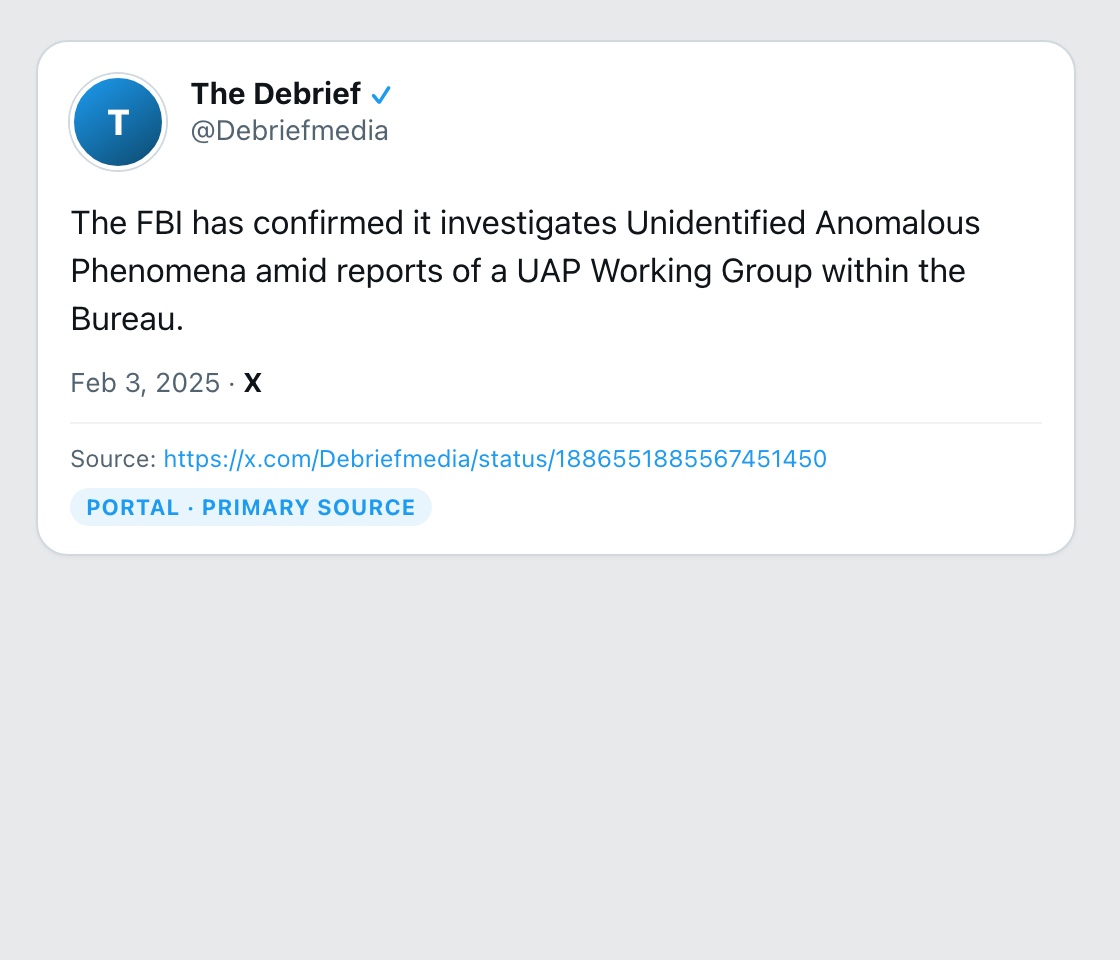
“The illusion of certainty can lead to a crisis of credibility when reality does not match expert predictions.”
This phenomenon is evident across various fields. In economics, for instance, experts often make bold predictions about market trends. When these predictions fail to materialize, the resulting fallout can damage the credibility of both the expert and the institution that endorsed them. Institutions may choose to downplay failures or ignore dissenting opinions, creating a culture where overconfidence thrives.
The Role of Media
Media outlets, too, bear responsibility for amplifying expert overclaims. In the pursuit of captivating headlines, the complexities of expert analysis are often sacrificed for simplicity. This can lead to a distorted representation of expert consensus, where nuanced discussions are condensed into sensational soundbites. The media, driven by ratings and readership, may inadvertently pressure experts to take a firmer stance than they are comfortable with, further entrenching the cycle of overclaiming.
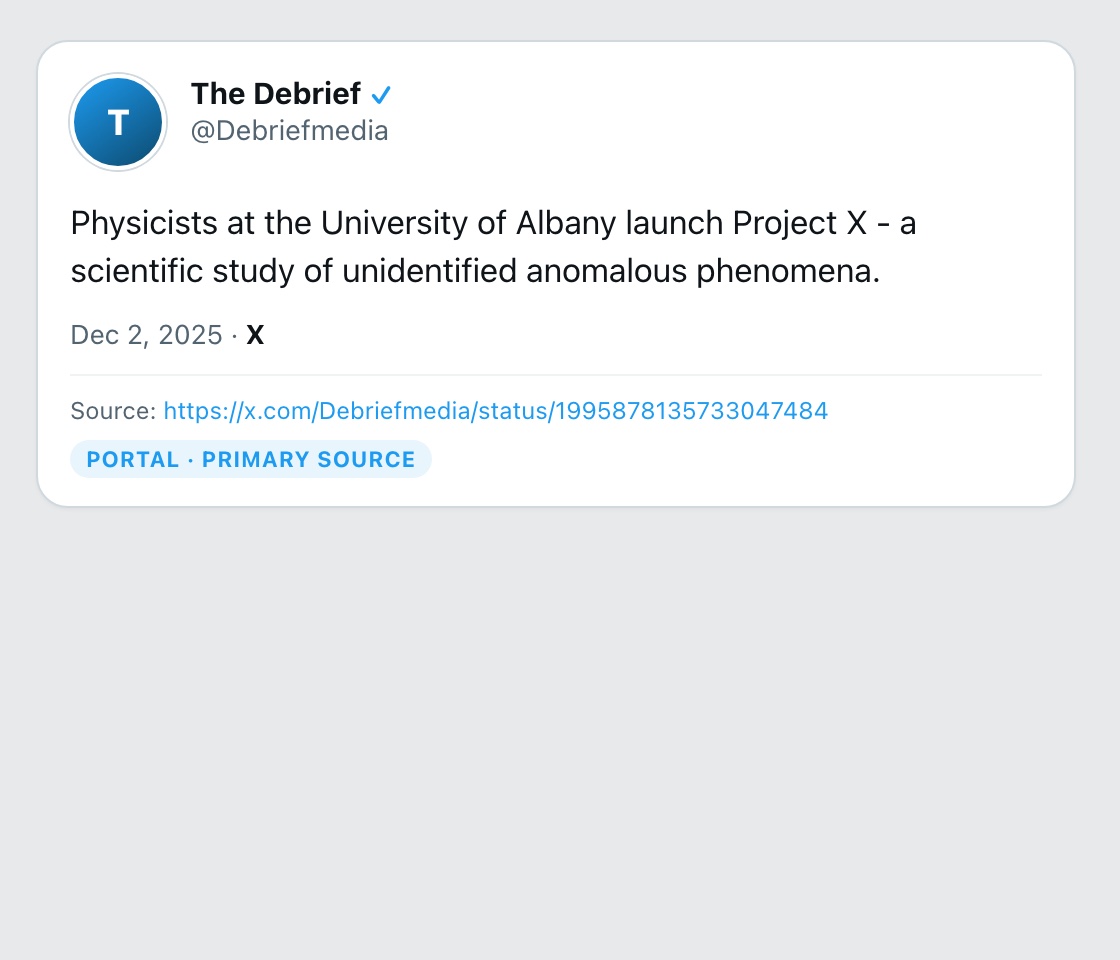
Finding a Middle Ground
As we navigate this landscape, it is crucial to foster a culture in which uncertainty is embraced rather than shunned. Experts must be encouraged to communicate their findings with transparency, acknowledging the limitations and uncertainties inherent in their work. Institutions should prioritize integrity over image, recognizing that a more cautious approach can ultimately enhance their credibility.
Moreover, the public must cultivate a critical approach to expert opinions, recognizing the difference between valid expertise and overreach. By fostering an environment that values skepticism and inquiry, we can bridge the gap between expert knowledge and public understanding. This symbiotic relationship is vital for a well-informed citizenry, as it encourages accountability and promotes a healthier dialogue about uncertainty in various fields.
Conclusion: A Call for Accountability
The challenge we face in 2013 is not merely the overclaiming of experts but the systemic issues that foster it. Institutions must reassess their priorities, moving away from a model of credibility based on unwavering certainty towards one that embraces complexity and nuance. Only then can we begin to rebuild trust in expertise and foster a more informed public discourse.
✦ ✦ ✦