From the file. Written for the paper dated February 2013. Opened in the public stacks July 14, 2026.
In a world increasingly driven by scientific discovery and technological advancement, public laboratories are often seen as bastions of knowledge and inquiry. However, the recent public lab open house has highlighted a troubling trend: institutions are more focused on protecting themselves than on fostering genuine public engagement.
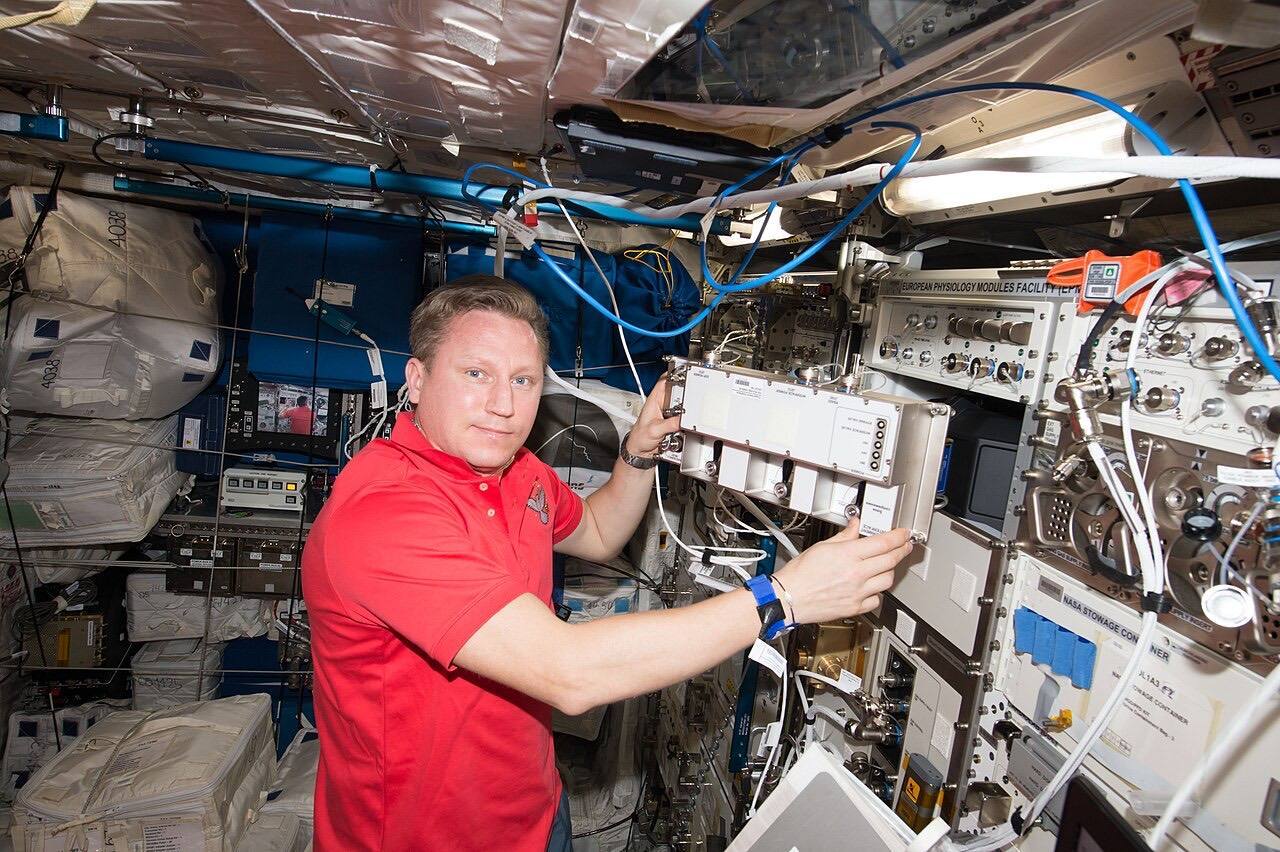
The Open House: A Mixed Bag of Intentions
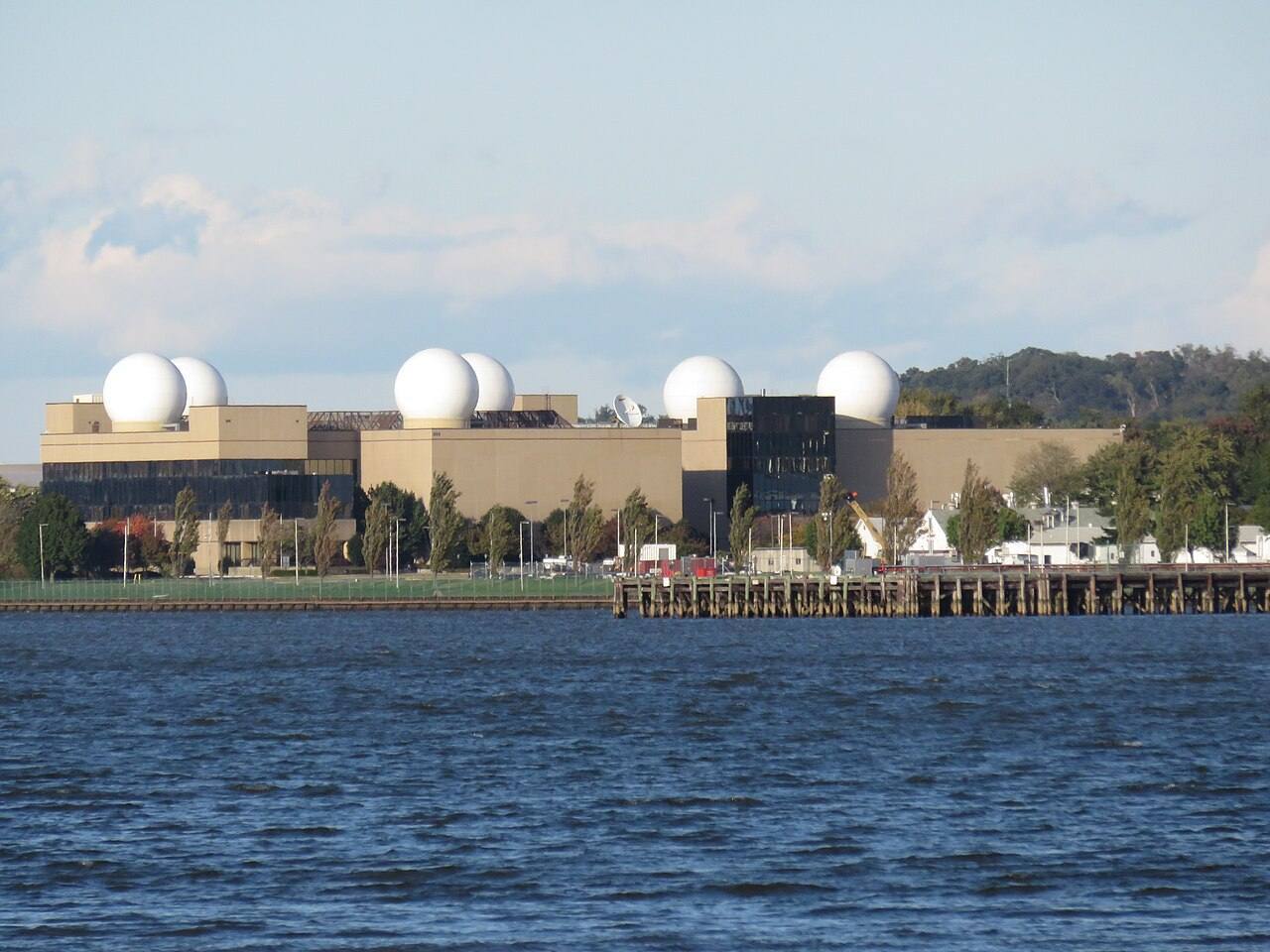
This past weekend, the local public lab opened its doors to the community, inviting curious minds to explore the wonders of scientific research. While the event aimed to demystify the lab’s operations and encourage public participation, it quickly became apparent that the institution's focus lay more on safeguarding its reputation than on engaging with the public. Visitors were met with guided tours that felt more like rehearsed performances than open dialogues.
One cannot ignore the irony of an event designed to promote transparency being marred by an air of caution and defensiveness. Instead of fostering an environment where questions could be freely asked and exchanged, the lab seemed intent on maintaining a carefully curated image. Scientists, while undoubtedly knowledgeable, often appeared reluctant to share the intricacies of their work, as if revealing too much could lead to scrutiny or criticism.
"The event felt more like a PR campaign than an opportunity for genuine dialogue."
Institutional Protectiveness: A Barrier to Engagement
As institutions continue to grapple with public perception and scrutiny, it is clear that a protective mindset can stifle the very engagement they seek to promote. This fear of criticism inhibits meaningful conversations about the relevance and implications of scientific work. Instead of being seen as approachable sources of knowledge, public labs risk becoming perceived as closed-off entities, reinforcing the divide between scientists and the communities they aim to serve.
For many visitors, the experience felt disappointing. Individuals arrived with hopes of connecting with scientists, understanding their processes, and engaging in discussions about the potential impact of their research. However, the overwhelming emphasis on institutional image diluted these opportunities. While it is essential for labs to maintain a level of professionalism, it should not come at the expense of community connection.
Balancing Accountability and Openness
One of the most pressing challenges facing public laboratories today is the need to balance accountability with openness. In an age where scientific integrity is under constant scrutiny, labs must navigate the fine line between safeguarding their work and inviting public discourse. This balancing act is no easy feat, as it requires institutions to cultivate environments where transparency is valued over self-preservation.

Moreover, the tension between the scientific community and the public can be traced back to how information is disseminated. Often, complex scientific concepts are communicated in ways that alienate rather than engage. During the open house, this disconnect was palpable. The scientists’ jargon-filled explanations left many attendees confused and frustrated. Instead of demystifying science, the lab’s protectiveness only served to reinforce the barriers that separate experts from laypeople.
Moving Forward: A Call for Genuine Engagement
In order for public laboratories to truly serve their communities, a shift in mindset is necessary. Institutions must recognize that their value lies not only in the research they conduct but also in their ability to connect with the public. Genuine engagement requires a willingness to be vulnerable, to share not only successes but also failures, and to invite open dialogue about the implications of scientific work.
One way to foster this connection is through more interactive formats that encourage participation. Instead of one-way presentations, labs could implement workshops where community members collaborate with scientists on projects that matter to them. Such initiatives could break down barriers and promote a culture of shared inquiry, transforming the lab from a fortress of knowledge into a hub of collaboration.
Furthermore, by adopting a more approachable communication style, scientists can demystify their work, making it accessible to a broader audience. Simplifying language and encouraging questions can create a culture of curiosity rather than intimidation, inviting the community into the scientific process.
Conclusion: A New Era for Public Labs
The recent public lab open house revealed both the potential for community engagement and the pitfalls of institutional protectiveness. While it is natural for organizations to want to protect their reputation, this should not come at the cost of genuine connection with the public. By embracing transparency and fostering open dialogue, public laboratories can transform themselves into trusted allies in the quest for knowledge, ultimately benefiting both science and society.
✦ ✦ ✦