From the file. Written for the paper dated February 2013. Opened in the public stacks July 14, 2026.
In a media landscape increasingly dominated by the notion of "team journalism," the need for individual accountability and critical thought has never been more crucial. As news organizations align themselves into cohesive groups, the risks of institutional protectionism and a homogenized narrative emerge.

Team Journalism: A Double-Edged Sword
The concept of team journalism has gained traction in recent years, often touted as a method for enhancing reporting through collaboration. On the surface, this approach seems beneficial - bringing together diverse talents and perspectives to tackle complex stories. However, beneath this shiny veneer lies a troubling reality. Instead of fostering a rich environment for journalistic inquiry, team journalism can serve as a mechanism for institutions to shield themselves from scrutiny.
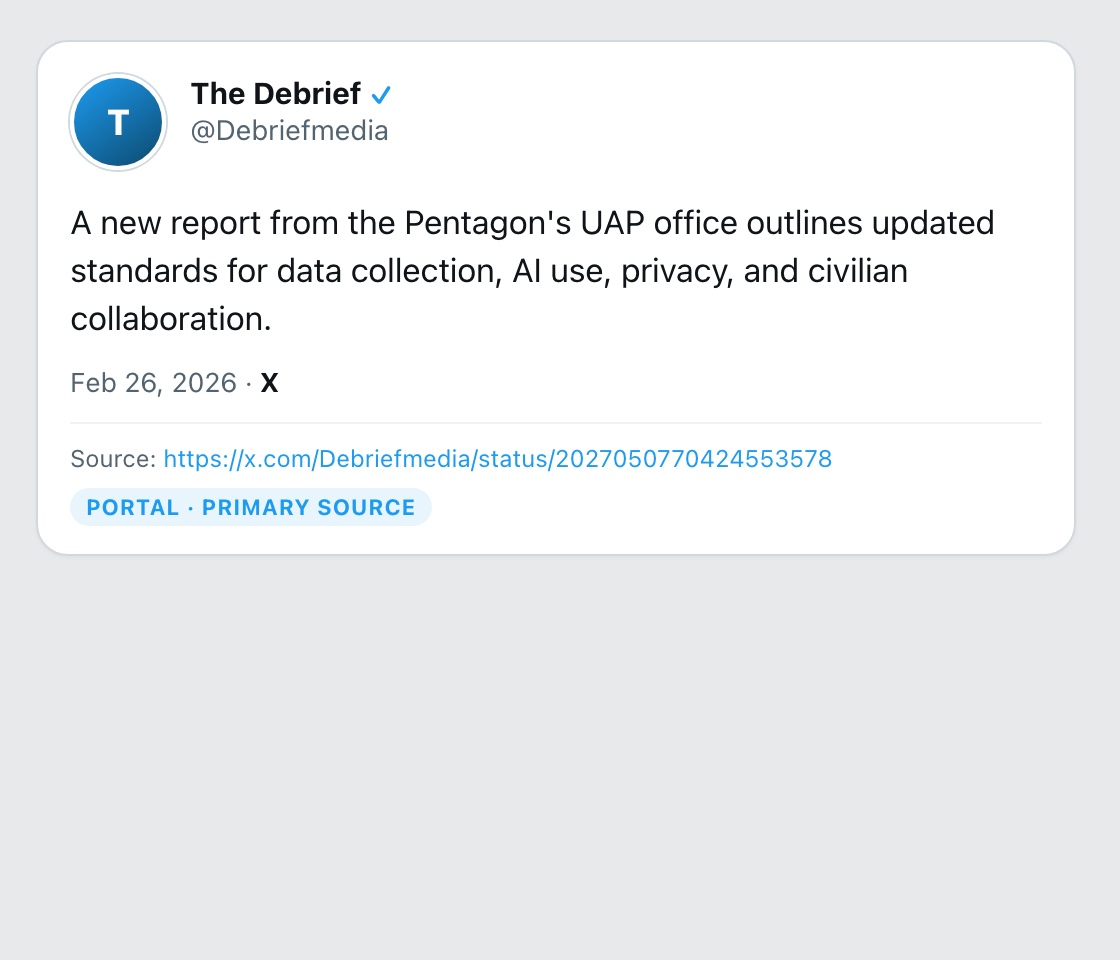
When a group of journalists works collectively, there is a tendency to conform to the prevailing narrative of the team. This can lead to a dilution of individual accountability, where journalists rely on the collective rather than their own critical analysis. In a time when robust journalism is needed to challenge authority, the rise of team journalism risks creating an echo chamber where dissenting voices are muted, and critical perspectives are lost.

The Institutional Shield
News organizations are, by nature, institutions. They have a vested interest in maintaining their reputations and authority. When journalists band together under the banner of team journalism, they may unintentionally reinforce the institution's agenda rather than critically engage with it. This is particularly evident when reporting on controversial topics, where the fear of rocking the boat can stifle necessary debate and inquiry.
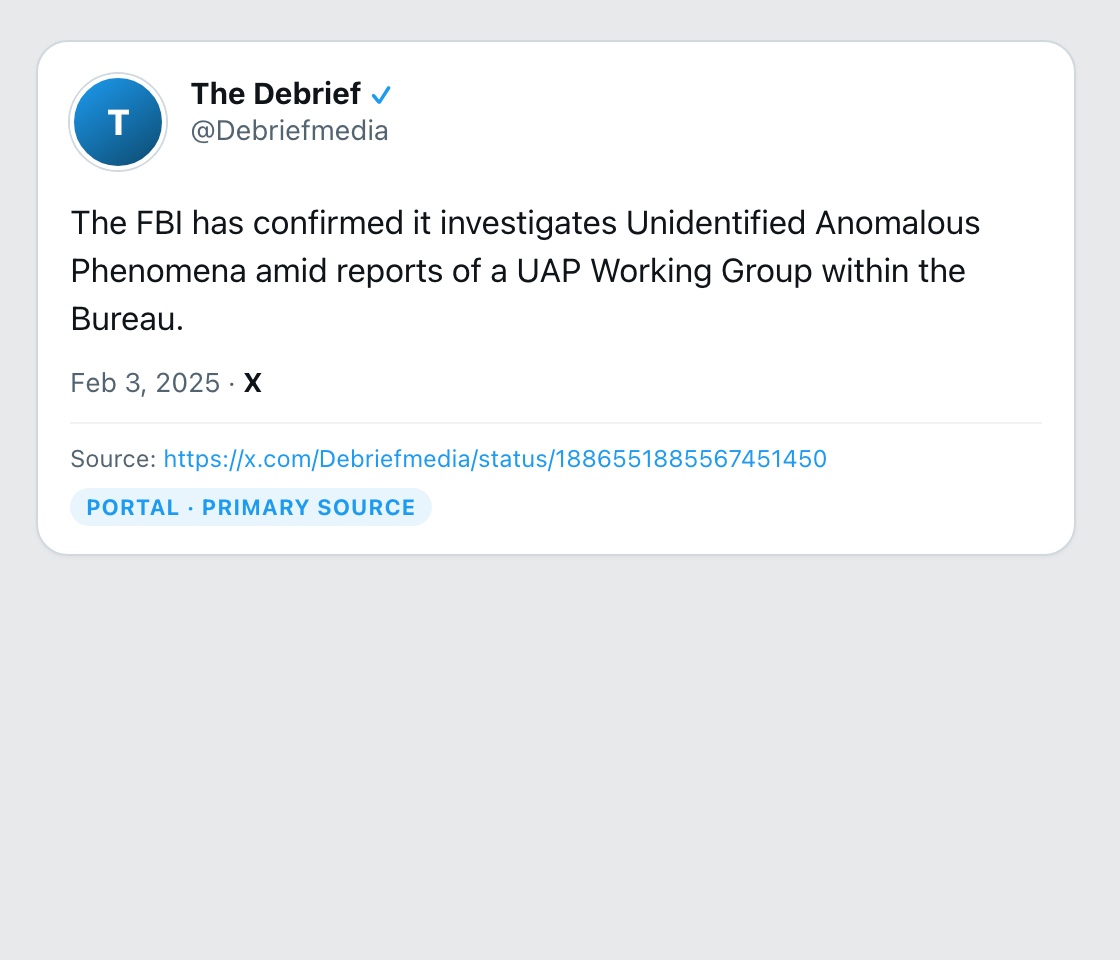
"In a time when robust journalism is needed to challenge authority, the rise of team journalism risks creating an echo chamber."
Consider the recent coverage surrounding government policies. In many instances, we have seen journalists focusing on the narratives set forth by their institutions, rather than questioning the underlying motivations or potential consequences of those policies. The result is a form of journalism that is less about investigation and more about affirmation. The institution is protected, and the public is left without the critical insights needed to make informed decisions.
Critique from the Right and Left
Both the left and right sides of the political spectrum have their own vested interests in shaping the narrative. The right often criticizes mainstream media for what they perceive as liberal bias, while the left points to the corporate influence that can dilute progressive reporting. In this polarized environment, team journalism can exacerbate these divisions, as journalists may feel pressured to align with their team's ideological leanings rather than pursuing the truth.

On one hand, right-leaning journalists may feel compelled to emphasize stories that validate their audience's worldview, while, on the other hand, left-leaning journalists may overemphasize social justice issues at the expense of broader context. Both sides risk sacrificing journalistic integrity for the sake of being part of a cohesive team, ultimately undermining the very essence of journalism itself.
The Role of Individual Journalists
In this climate, individual journalists must reclaim their power and responsibility. They should not succumb to the pressure of team dynamics that prioritize groupthink over independent thought. Journalistic integrity should be rooted in the willingness to ask difficult questions, challenge prevailing narratives, and seek out diverse perspectives. This is particularly important in an age where misinformation can spread rapidly, and the public's trust in media is increasingly fragile.
Breaking Free from the Team Mentality
To break free from the constraints of team journalism, news organizations must encourage a culture of critical thinking and dissent. This involves not only fostering an environment where individual voices can be heard but also actively seeking out stories that challenge the status quo. The media's role is not merely to report but to investigate and inform. Only by prioritizing truth over institutional loyalty can journalists begin to restore public trust.
As we navigate the complexities of modern journalism, it is imperative that we remain vigilant against the pitfalls of team journalism. While collaboration can yield valuable insights, it must not come at the expense of accountability and integrity. The public deserves a media landscape that prioritizes truth over conformity, challenging power rather than shielding it.
✦ ✦ ✦