From the file. Written for the paper dated January 2013. Opened in the public stacks July 14, 2026.
As the global economy continues to evolve, shipping lanes are more critical than ever, revealing the nuances of political and economic incentives driving both sides of the aisle.
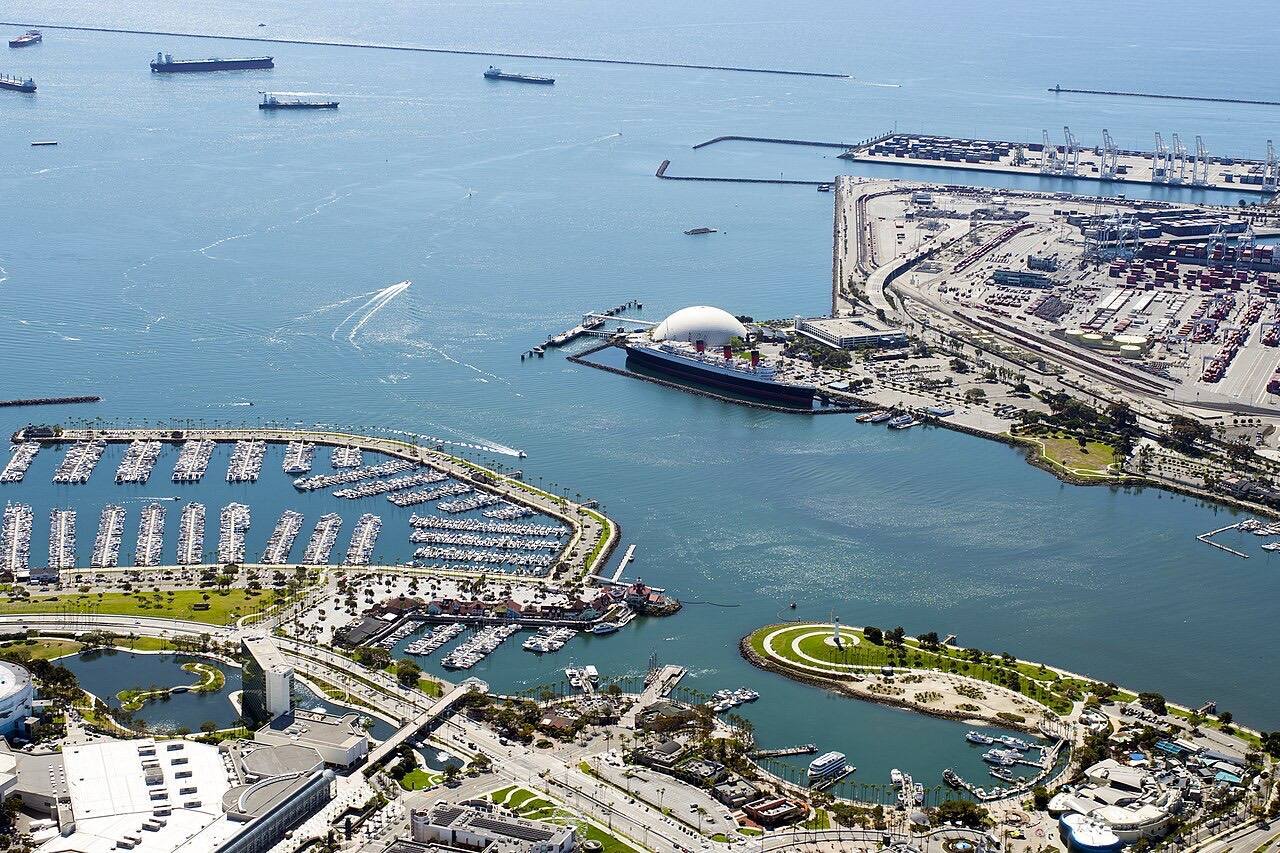
Trade Winds of Change
In January 2013, shipping lanes serve as the arteries of global trade, with their routes impacting everything from consumer prices to international relations. The stakes are high, and both Democrats and Republicans are embroiled in the debate over how best to manage these vital pathways.

On one hand, the left often advocates for stricter environmental regulations that could affect shipping operations. These regulations aim to reduce carbon emissions and protect marine ecosystems, but they also carry the risk of increasing operational costs for shipping companies. As businesses contend with higher expenses, the cost to consumers could rise, igniting further political backlash.

Conversely, the right tends to emphasize deregulation and the need to bolster American competitiveness in global markets. Their approach often champions free trade agreements that facilitate the movement of goods across borders. Yet, this perspective sometimes overlooks the environmental ramifications of less stringent regulations, prompting criticism that the right prioritizes profit over planet.

"Balancing economic growth with environmental responsibility is a challenge both sides must face."
The Economic Ripple Effect
Shipping lanes do not merely represent routes on a map; they are the lifelines of economies worldwide. As nations rely on these pathways, the interplay between trade policy and environmental considerations becomes increasingly complex. While the left's push for sustainable practices is commendable, it must be tempered with an understanding of economic realities. Meanwhile, the right's call for deregulation must be weighed against the potential consequences for our oceans and climate.
As the United States navigates these challenges, trade routes remain under scrutiny. The Panama Canal expansion, for example, is poised to reshape shipping dynamics significantly. With larger vessels expected to traverse the canal, ports along the East Coast could see a surge in traffic. This development offers a boon to local economies but also raises concerns about congestion and environmental degradation.

Infrastructure Investment and Political Posturing
Infrastructure investment is another crucial aspect of the shipping conversation. Both parties acknowledge the need for modernizing ports and shipping infrastructure but often diverge on funding sources and priorities. Democrats typically advocate for increased public funding, emphasizing the long-term benefits of job creation and economic stimulation. Republicans, on the other hand, often push for public-private partnerships, arguing that private investment can lead to more efficient and innovative solutions.
The ongoing stalemate in Congress over infrastructure funding reflects deeper ideological divides. While both sides acknowledge the need for improvement, their approaches often lead to gridlock, impeding progress on essential projects. As shipping lanes become busier, the urgency for decisive action escalates.
"Political posturing often overshadows the pressing need for collaboration on infrastructure."
Global Competition and Domestic Implications
As global competition intensifies, the implications of shipping lane management extend beyond our borders. The rise of emerging economies, particularly in Asia, poses a challenge to U.S. dominance in global trade. The left's focus on labor protections and fair trade practices must be balanced with the need to remain competitive on the world stage. Meanwhile, the right's push for aggressive trade policies must consider the broader implications for domestic workers and industries.
In this landscape, the management of shipping lanes becomes a microcosm of the broader political struggle in the United States. Both sides must confront the consequences of their policies, recognizing that the decisions made today will reverberate through the economy for years to come.
A Call for Bipartisanship
The time has come for a renewed commitment to bipartisanship in addressing the complexities of shipping lane management. A collaborative approach can yield solutions that prioritize both economic growth and environmental responsibility. By working together, the left can help ensure that regulations do not stifle innovation, while the right can acknowledge the importance of sustainable practices.
Ultimately, the future of shipping lanes - and by extension, the health of the global economy - depends on our ability to transcend political divides. As we navigate these turbulent waters, it is imperative that we prioritize the collective good over partisan interests.
✦ ✦ ✦