From the file. Written for the paper dated January 2013. Opened in the public stacks July 14, 2026.
As communities increasingly seek to engage the public in scientific inquiry, the recent Public Lab Open House in New York has brought to light both the promise of grassroots science and the political incentives that shape its future. This event served as a microcosm of the broader debates surrounding public engagement in science, highlighting the excesses on both the left and the right.

Grassroots Science in Action
Public Lab is a nonprofit organization that aims to democratize science by providing tools and techniques for individuals to conduct their own research, particularly in environmental monitoring. The Open House showcased innovative projects, ranging from aerial mapping with homemade drones to water quality testing kits designed for local communities.

Participants at the event were not just scientists or academics, but regular citizens eager to learn and engage with scientific processes. The atmosphere buzzed with the enthusiasm of individuals empowered to investigate the issues affecting their own neighborhoods. This enthusiasm can be seen as a direct response to the increasing mistrust of traditional scientific institutions, which some argue have become too insular and disconnected from the public they serve.
Political Motivations Behind Public Engagement
However, while the grassroots movement is commendable, it is essential to scrutinize the political motivations that sometimes underpin these initiatives. On the left, there is an undeniable tendency to romanticize the idea of citizen science as a radical alternative to established institutions. This often leads to a dismissive attitude toward traditional scientific methodologies, which can result in the promotion of unproven or pseudoscientific practices under the guise of empowerment.
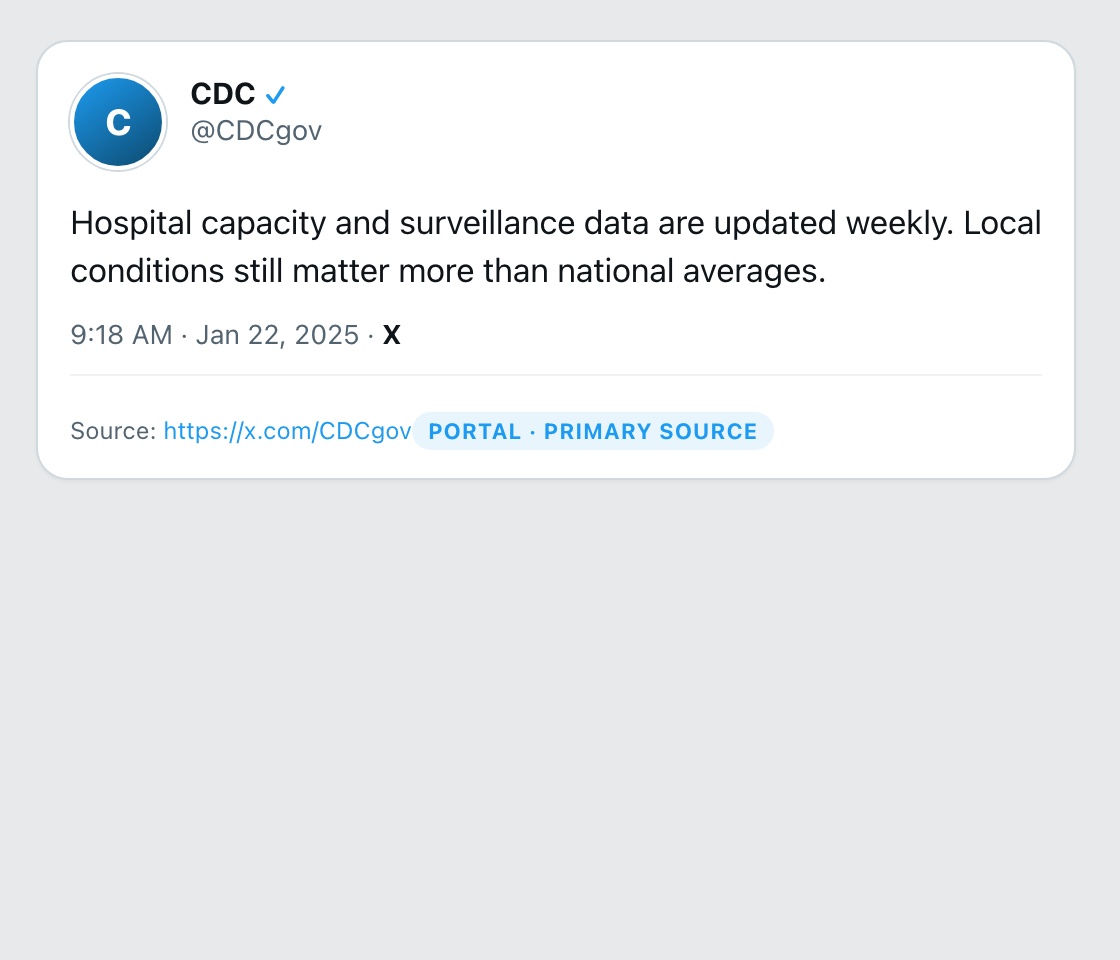
"While citizen science has its merits, one must be cautious of its potential to undermine established scientific standards."
Conversely, the right often uses the narrative of citizen science to push back against regulations and oversight. By framing grassroots efforts as superior to institutional science, there is a risk of undermining the rigorous processes that ensure scientific integrity. This can lead to a dangerous precedent where science becomes a tool for political agendas rather than a pursuit of objective truth.
The Need for Balance
In this environment of excesses, it becomes crucial to find a balance between engaging the public and maintaining scientific rigor. The Public Lab Open House illustrated that there is a place for citizen involvement in science, but it must not replace the established practices that have been developed over centuries. Instead, citizen science should complement traditional methodologies, enhancing them with local insights and perspectives.

As discussions around climate change, environmental degradation, and public health continue to intensify, the role of citizen scientists will likely become more significant. However, it is imperative that both the left and the right recognize the importance of scientific integrity and the value of expertise. Engaging the public in science is valuable, but it must be done in a way that respects the foundations of rigorous scientific inquiry.
The Path Forward
The future of public engagement in science will require collaboration between citizens and established scientific institutions. By fostering partnerships that respect both local knowledge and scientific integrity, we can cultivate an environment where scientific inquiry thrives. The challenge lies in ensuring that both sides of the political spectrum resist the temptation to exploit citizen science for their own ends.
Ultimately, the success of initiatives like the Public Lab Open House will depend on the ability of participants to navigate these complex dynamics. As citizens embrace their role as active contributors to scientific discourse, they must also remain vigilant against the politicization of their efforts. Only then can we hope to harness the potential of grassroots science while upholding the standards that define rigorous inquiry.
Conclusion
As we move further into 2013, the dialogue surrounding public engagement in science will undoubtedly evolve. The lessons learned from initiatives like the Public Lab Open House can help guide this evolution, ensuring that citizen science is both a tool for empowerment and a commitment to rigorous scientific standards. In a world where science often feels out of reach, it is vital that we find solutions that resonate with both the heart and the mind.
✦ ✦ ✦