From the file. Written for the paper dated December 2012. Opened in the public stacks July 14, 2026.
As the national conversation around vaccine policy intensifies, it becomes increasingly clear that both sides of the political spectrum are wearing blinders when it comes to the complexities of public health. In the fervor of debate, critical nuances are often overlooked.

Polarized Perspectives on Vaccines
In the wake of recent health crises, vaccines have taken center stage in public discourse. On one side, proponents of vaccination argue passionately for the necessity of immunizations, framing the issue as a matter of public safety and collective responsibility. Conversely, skeptics raise legitimate concerns about vaccine safety and autonomy, calling for more transparency and informed consent. However, both extremes in this debate tend to oversimplify a multifaceted issue.

Advocates for vaccination often present a team jersey mentality, insisting that anyone questioning the efficacy or safety of vaccines is anti-science or, worse, a danger to society. This stance not only alienates those with valid concerns but also stifles necessary discussions about vaccine development and the potential for adverse reactions. Such a black-and-white approach fails to address the complexities of individual health circumstances and the importance of patient education.
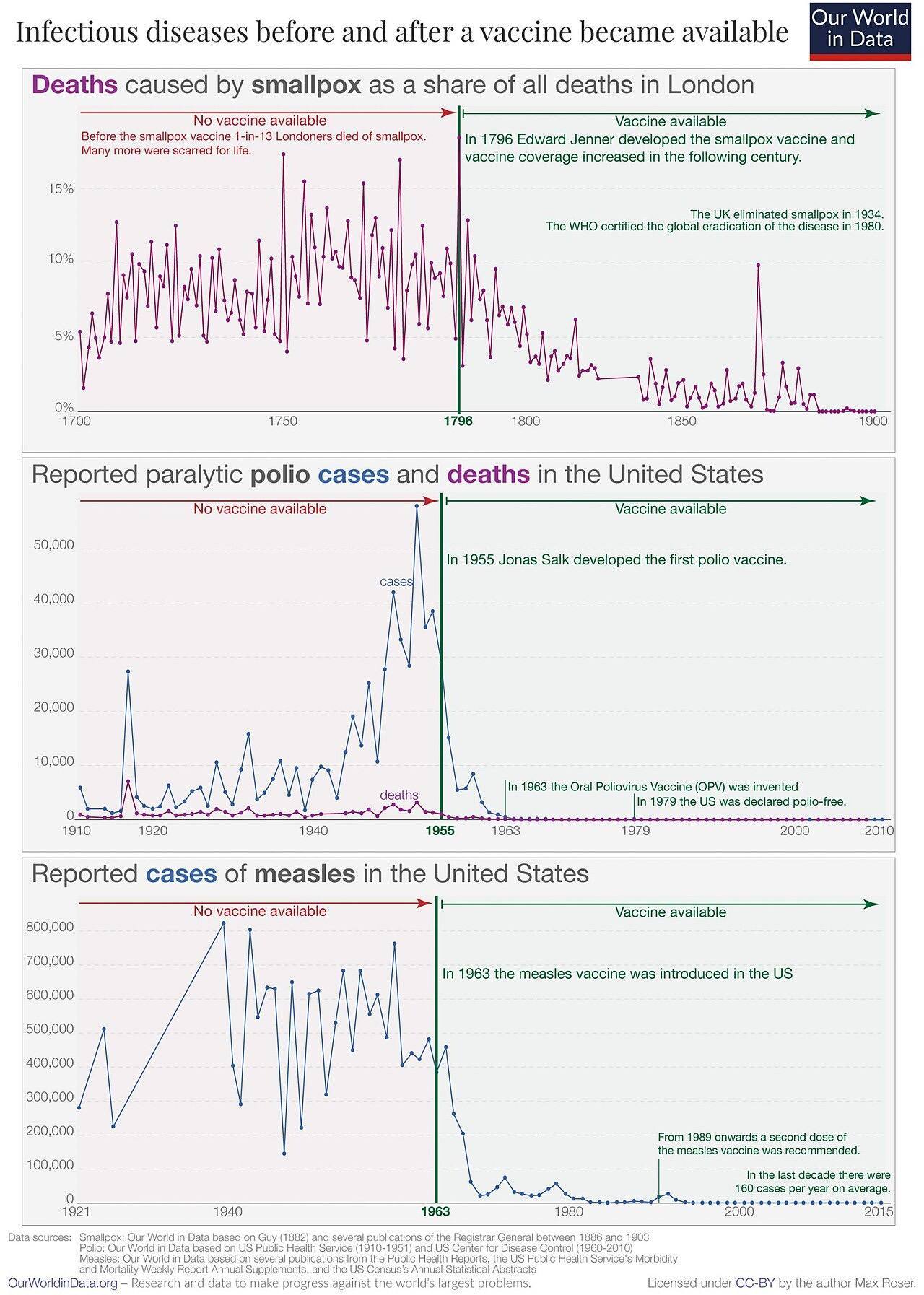
On the flip side, vaccine skeptics sometimes adopt a conspiratorial mindset, suggesting that pharmaceutical companies and government agencies are colluding to promote vaccines for profit at the expense of public health. While it is crucial to scrutinize the motives of large pharmaceutical companies, this perspective can dismiss the overwhelming scientific consensus supporting vaccine efficacy and safety. By framing the conversation in such adversarial terms, skeptics risk undermining the trust in healthcare systems that is vital for effective public health initiatives.

What Gets Left Out of the Briefings
In the rush to take sides, several critical aspects of vaccine policy are often left out of the briefings. One significant omission is the role of healthcare equity in vaccination rates. Disparities exist among different socioeconomic groups, and these inequities can impact access to vaccines and information. Communities with limited healthcare resources may struggle to obtain vaccinations, leading to higher rates of preventable diseases. Acknowledging these disparities is essential to crafting effective public health strategies.
Additionally, the dialogue often neglects the importance of ongoing research into vaccine safety and efficacy. While many vaccines have proven to be safe and effective, the scientific community must continue to monitor long-term outcomes and investigate any potential adverse effects. This commitment to transparency and ongoing research can build trust across the spectrum of vaccine supporters and skeptics alike.

“Both extremes in this debate tend to oversimplify a multifaceted issue.”
Moreover, the emotional weight of personal stories often gets sidelined in the political fray. Parents who have experienced adverse reactions in their children or have lost loved ones to vaccine-preventable diseases deserve to have their experiences validated. These stories, while often anecdotal, can offer valuable insights into the public's perception of vaccine safety. Ignoring these narratives only serves to deepen the divide between the two camps.
The Path Forward
To forge a path forward, it is essential for both sides to engage in constructive dialogue that transcends political affiliations. Policymakers must prioritize transparency in vaccine research and development while addressing the legitimate concerns of vaccine skeptics. This includes fostering an environment where questions can be raised without fear of ostracism or backlash.
Furthermore, it is vital to implement strategies aimed at improving healthcare access, particularly in marginalized communities. By understanding the barriers that prevent individuals from receiving vaccinations, we can work towards solutions that not only increase vaccination rates but also promote health equity.
Finally, a commitment to ongoing education is paramount. Public health campaigns must not only promote the benefits of vaccines but also provide accurate information about potential risks and the importance of informed consent. This balanced approach can help bridge the gap between advocates and skeptics, fostering a more informed public that is equipped to make health decisions based on facts rather than fear.
Conclusion
As the nation grapples with vaccine policy, it is essential to move beyond the polarized narratives that dominate the conversation. By recognizing the complexities of vaccine discourse and addressing the underlying issues of access, equity, and education, we can develop a more effective and inclusive public health strategy. In this era of heightened awareness, it is crucial to approach vaccine policy without the team jersey mentality, fostering an environment that encourages dialogue and understanding.
✦ ✦ ✦