From the file. Written for the paper dated December 2012. Opened in the public stacks July 14, 2026.
As the debate over healthcare access continues to rage, public clinics remain a vital, yet often overlooked, component of the healthcare landscape. These institutions serve communities in need, but the details of their operations and the realities faced by patients are frequently glossed over in the political discourse.

Behind the Curtain of Public Clinics
Public clinics are designed to provide essential healthcare services to underserved populations. In many cases, they are the last line of defense for individuals who cannot afford private insurance or lack the means to access traditional healthcare facilities. Yet, the public’s understanding of these clinics is often limited to the headlines that focus on funding cuts, bureaucratic inefficiencies, or the political rhetoric surrounding healthcare reform.
As politicians on both sides of the aisle vie for control of the healthcare narrative, the complexities of public clinics get lost in the shuffle. On the left, there is a tendency to champion these clinics as the ultimate solution to healthcare inequality, while failing to address the challenges they face, such as staffing shortages and underfunding. On the right, the focus often shifts to the financial burdens these clinics place on taxpayers, overlooking the critical services they provide to those in desperate need.
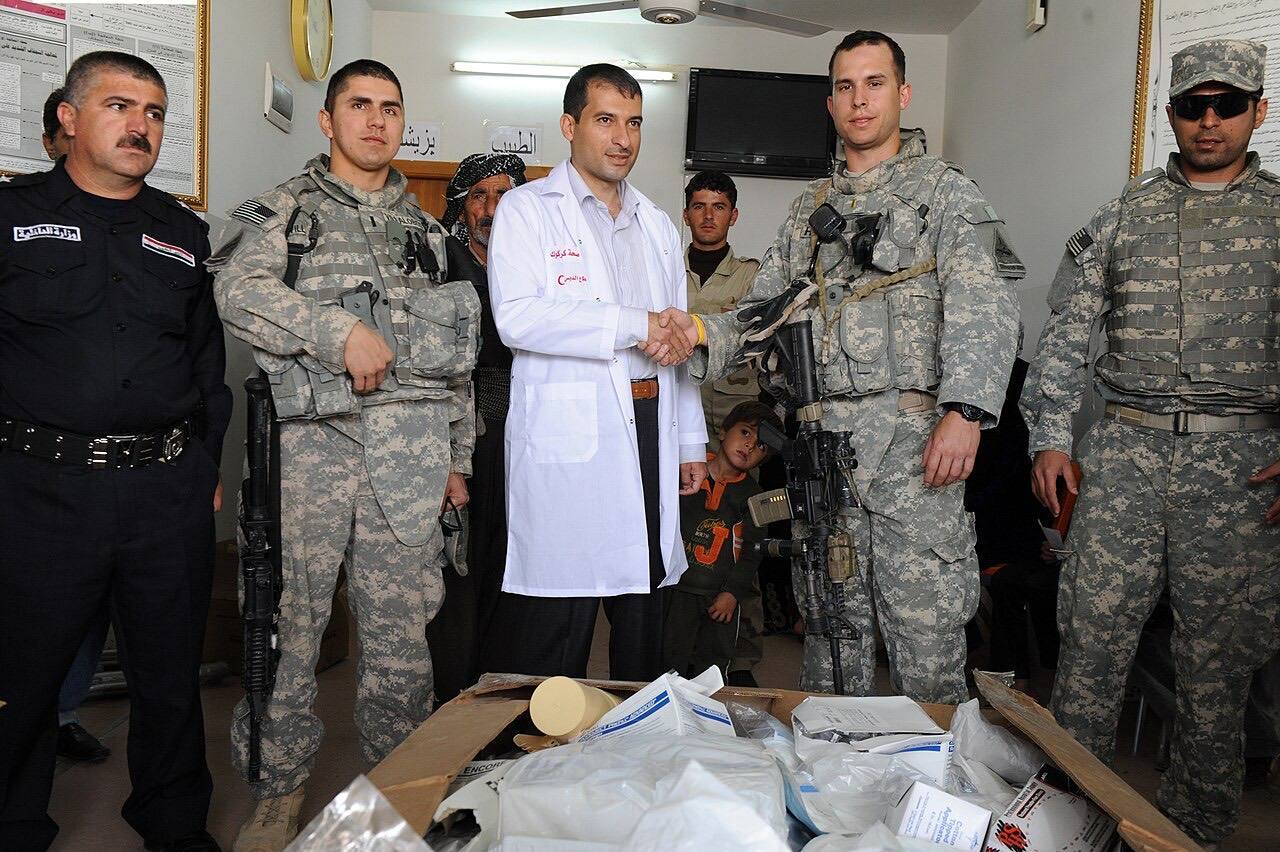
"Public clinics are not just a safety net; they are a lifeline for countless individuals."
Staffing Shortages and Community Impact
One of the most pressing issues for public clinics is staffing. Many clinics struggle to attract and retain qualified healthcare professionals due to limited resources and low salaries. This results in longer wait times and reduced patient access to care. While politicians may tout the virtues of public clinics, they often ignore the reality that these facilities are frequently understaffed, overworked, and underfunded.
The impact of these staffing shortages can be profound. Patients may experience delays in necessary treatments, leading to worsening health conditions. Families with limited transportation options may find it difficult to access clinics that are already stretched thin. Moreover, the emotional toll on healthcare workers who face burnout and frustration cannot be overstated. These challenges are often overlooked in the broader political discussions, where the focus is instead on the ideological battles over healthcare policy.
The Financial Talk: Misunderstanding Costs
Another area where the conversation surrounding public clinics often falls short is in the financial realm. Critics from the right often paint a picture of financial waste and inefficiency, arguing that public clinics drain taxpayer dollars without delivering results. However, this perspective fails to account for the significant cost savings associated with preventive care provided by these clinics.
Research consistently shows that early intervention and preventive care can reduce the need for more expensive emergency services down the line. By investing in public clinics, society can ultimately save money while ensuring that vulnerable populations receive the care they need. Yet, these nuanced discussions are rarely part of the narrative, as soundbites often take precedence over substantive analysis.
Political Rhetoric vs. Reality
The political rhetoric surrounding public clinics can often feel like a game of tug-of-war. On the left, there is a passionate push for increased funding and support, yet this often comes without a clear plan for how to effectively allocate those resources. Meanwhile, the right focuses on fiscal responsibility, often to the detriment of those who rely on these services. The result is a healthcare landscape that is increasingly fragmented, with patients caught in the crossfire.
Furthermore, the conversation often lacks the voices of those who truly understand the value of public clinics: the patients and healthcare workers who interact with these systems daily. Their experiences can provide invaluable insights into both the successes and failures of public clinics, but these narratives are frequently drowned out by the loud clamor of political posturing.
Finding Common Ground
In order to create a more effective healthcare system, it is essential that both sides of the political spectrum find common ground on the issue of public clinics. Acknowledging their importance in providing care to underserved populations while simultaneously addressing the challenges they face could lead to meaningful reforms. The focus should be on collaborative solutions rather than divisive rhetoric.
Ultimately, the future of public clinics - and the patients who depend on them - will rely on a more informed public discourse that moves beyond the extremes and seeks to understand the reality of the situation. Only then can we hope to see a healthcare system that truly serves all Americans.
✦ ✦ ✦