From the file. Written for the paper dated December 2012. Opened in the public stacks July 14, 2026.
As the year draws to a close, the nation's pension shortfall remains a pressing issue that is often overlooked in the discussions of economic recovery and fiscal responsibility.

Pension Shortfalls: A Growing Concern
The stark reality of America's pension crisis is increasingly difficult to ignore. According to various estimates, the gap between what pension funds owe and what they have in their coffers is staggering. With public-sector pensions accumulating unfunded liabilities in the hundreds of billions, the implications for future retirees are dire. Yet, amidst the cacophony of political debate, the true depth of this crisis is often obscured by partisanship and a lack of transparency.

On one side, the left touts the need for increased funding and more robust regulations to protect workers' pensions. This call to action is commendable, yet it frequently ignores the underlying fiscal realities that make such funding difficult in the current economic climate. States and municipalities are struggling to balance their budgets, and many are facing mounting debt. Increasing pension contributions can lead to cuts in essential services, which disproportionately affect the very workers whom these policies are meant to protect.

Conversely, the right often advocates for privatization and reduced government involvement in pension management. While free-market principles have their merits, the solution is not simply to shift responsibility away from the state. Privatization can lead to greater volatility in retirement savings, exposing individuals to the whims of the market and potentially jeopardizing their long-term financial security. The rhetoric surrounding this issue often reduces a complex problem to a simplistic ideological battle, failing to acknowledge the nuances involved.
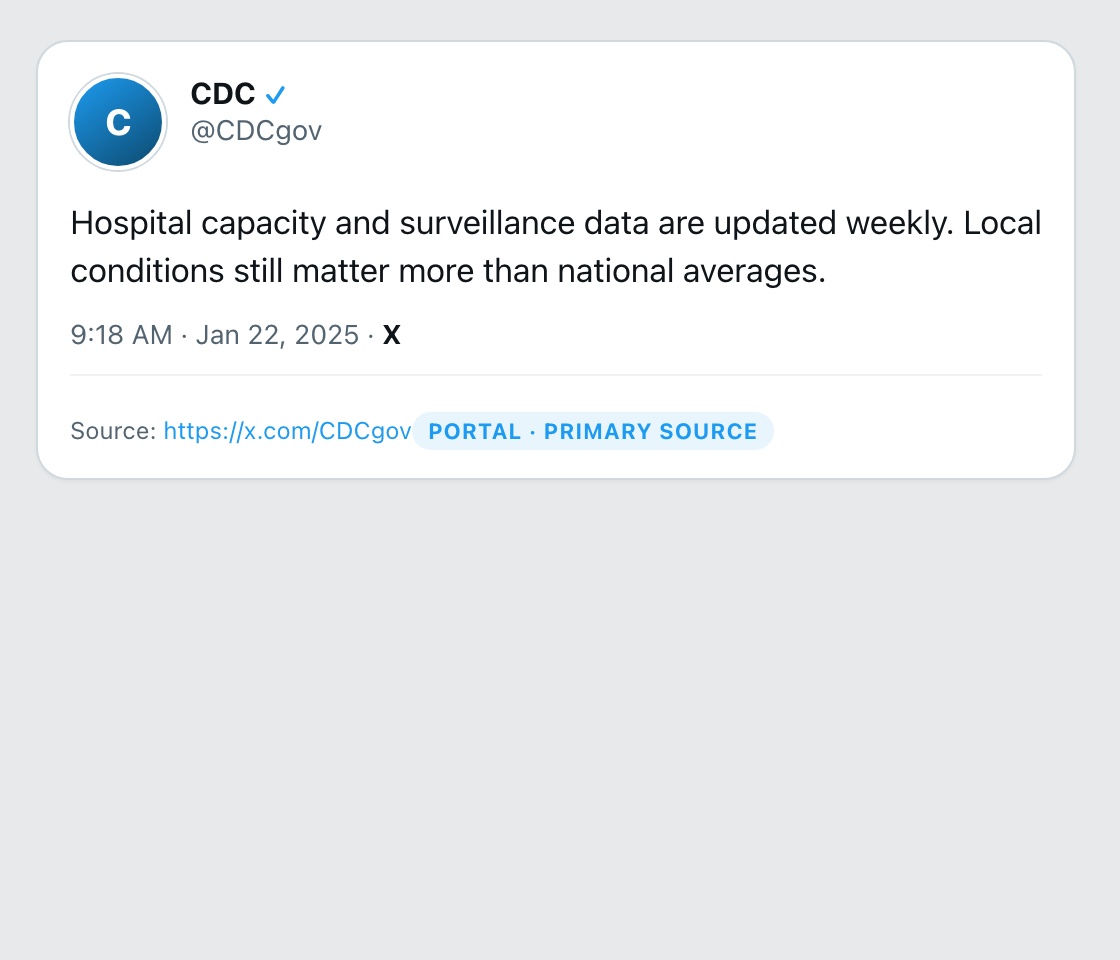
The pension crisis is a reminder that political posturing can overshadow the real lives affected by these decisions.
What Gets Left Out of the Briefings
Amid the political sparring, essential elements of the pension discussion are often left out of briefings and media coverage. For example, the impact of demographic shifts on pension systems is rarely addressed. As the population ages, the ratio of workers to retirees is declining, placing immense strain on pension funds. This demographic reality is compounded by longer life expectancies, meaning retirees are drawing from their pensions for longer periods than ever before.
Additionally, the discussion rarely includes the role of corporate pensions. Many private-sector companies have shifted away from traditional defined-benefit plans in favor of 401(k) plans, leaving workers to navigate the complexities of retirement saving on their own. This shift has not only changed the landscape of retirement planning but has also contributed to the growing wealth gap between those who can afford to save and those who cannot.
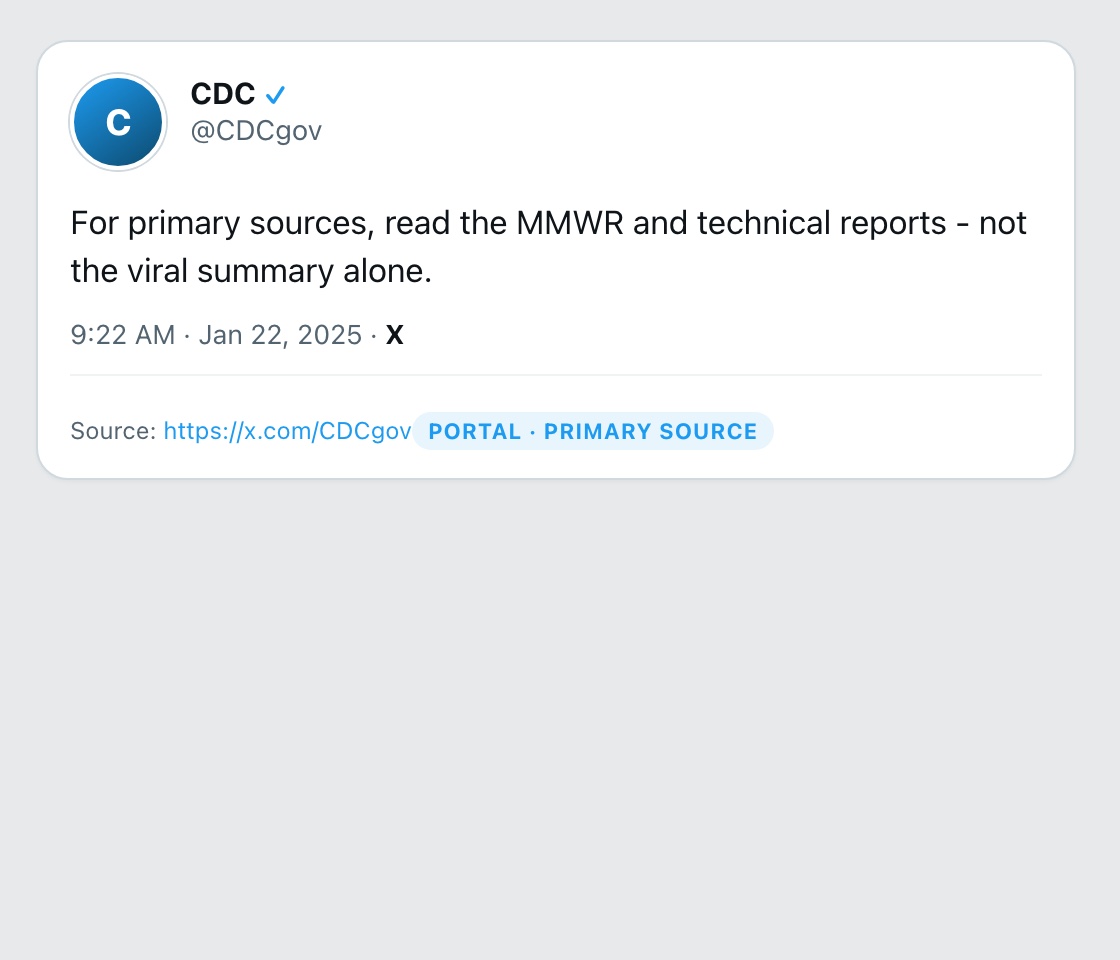
Moreover, the conversations surrounding pension reform often lack a comprehensive examination of the financial literacy of the workforce. Many employees are simply not equipped to make informed decisions about their retirement savings, whether in navigating pension options or understanding investment risks. The educational gap in financial literacy is a significant factor that policymakers must address if they are truly committed to improving the financial security of workers.
The Need for Bipartisan Solutions
As the debate over pensions rages on, it is clear that a bipartisan approach is necessary. Both sides of the aisle need to recognize that the pension crisis is not merely a political issue but a human one. Real people are counting on these funds for their retirement, and the stakes couldn't be higher.
Innovative solutions that combine elements of both left and right ideologies may be the best path forward. For example, the establishment of a national retirement savings program could bridge the gap for those without access to employer-sponsored plans, while maintaining the integrity of existing pension systems. Such a program could be designed to encourage savings through tax incentives, thereby fostering a culture of financial responsibility without undermining the existing framework.
It's essential for lawmakers to engage with stakeholders, including labor unions, corporations, and financial experts, to create a comprehensive strategy that addresses the multifaceted nature of the pension crisis. Only through collaboration can we hope to find solutions that are equitable and sustainable.
Conclusion
As we enter a new year, the conversation around pensions must evolve. It cannot afford to remain stagnant, dominated by partisan posturing and neglecting the deeper issues at play. The time for a realistic, pragmatic approach is now. The future of millions of workers depends on it.
✦ ✦ ✦