From the file. Written for the paper dated December 2012. Opened in the public stacks July 14, 2026.
As debates over civil service reform heat up in Congress, the conversation often devolves into partisan skirmishes that obscure the deeper complexities of the issue.

The Pitfalls of Partisanship
The current political climate reveals a troubling trend: both extremes of the political spectrum seem more interested in scoring points against one another than in fostering genuine change. Republicans tend to champion a dismantling of parts of the civil service system, framing it as a means to cut government waste. They argue that a more flexible workforce would allow for greater efficiency. However, this oversimplification neglects the fundamental purpose of civil service protections, which is to ensure a nonpartisan government that serves all citizens equitably.

Meanwhile, Democrats often rally around the idea of strengthening civil service protections, viewing them as essential to safeguarding against nepotism and cronyism. While there is merit to this argument, it can lead to an institutional inertia that stifles innovation and responsiveness to the needs of the populace. Blindly preserving the status quo may serve the interests of bureaucrats rather than the citizens they are meant to serve.
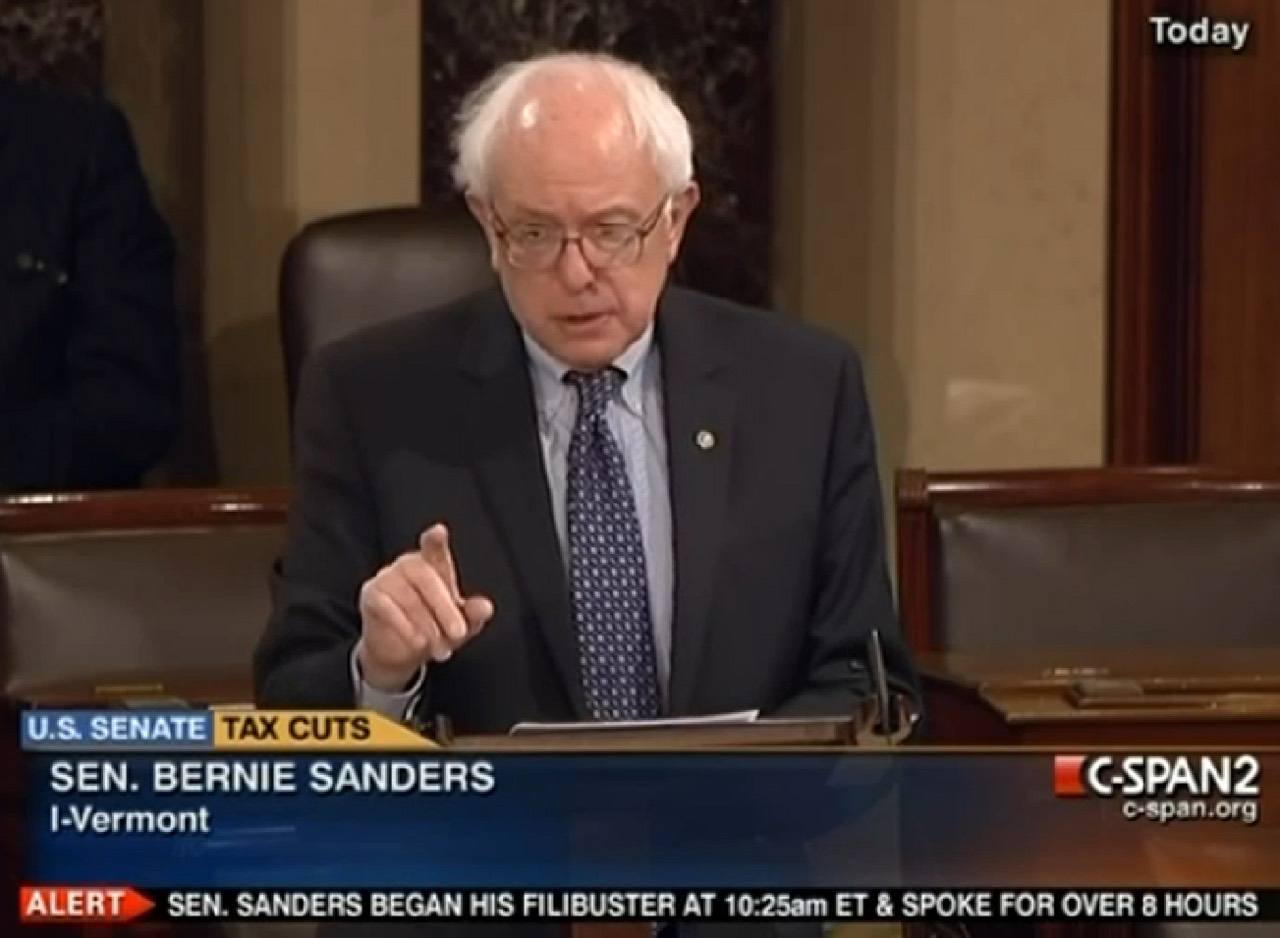
“In the struggle for civil service reform, we must resist the urge to don partisan jerseys and instead focus on the shared goal of effective governance.”
What Gets Left Out
In the briefings and debates, vital aspects of civil service reform often get lost in the shuffle. First and foremost, the conversation rarely includes the voices of those working within the civil service system itself. Frontline employees, who interact with the public daily, can offer invaluable insights into the inefficiencies and barriers they face. Their experiences could illuminate the path to meaningful reform, but they are often sidelined in favor of grandstanding politicians.
Furthermore, there is a lack of attention to the ways in which the civil service system intersects with issues of equity and access. For example, reform proposals often overlook the implications for diverse hiring practices and the need to address systemic biases within government hiring and promotion processes. As we strive for a more representative government, civil service reform must include strategies to enhance diversity and inclusion rather than inadvertently upholding barriers to entry.
Moving Beyond Rhetoric
The reform debate is rife with rhetoric that can easily mislead the public. The notion that civil service protections equate to inefficiency is a gross oversimplification. In reality, a robust civil service can promote both accountability and effectiveness. Instead of viewing civil servants as impediments, we should recognize their role as essential to the functioning of democracy.
Additionally, the emphasis on reforming civil service without addressing the broader context of government operations misses the mark. The challenges facing the civil service cannot be divorced from the political environment in which it operates. A fractured political landscape, where compromise is often seen as a betrayal, hampers the ability to enact meaningful reform. Both sides must be willing to step back from their entrenched positions and engage in constructive dialogue.
Conclusion: A Call for Genuine Reform
The call for civil service reform is not inherently partisan; it is a call for the betterment of government and the services it provides. Both the left and the right need to move beyond their respective narratives and acknowledge the nuances of this complex issue. Effective reform should be grounded in the realities faced by civil servants and the communities they serve, rather than driven by ideological purity.
As we navigate this critical juncture, let us set aside the team jerseys and prioritize the shared goal of enhancing government effectiveness and accountability. Only through collaboration and an honest examination of the system can we hope to achieve meaningful civil service reform that truly benefits the American people.
✦ ✦ ✦