From the file. Written for the paper dated November 2012. Opened in the public stacks July 14, 2026.
As the nation prepares to honor its veterans this month, the ongoing backlog at the Department of Veterans Affairs (VA) remains a significant issue that has sparked heated debate among lawmakers and veterans alike. The question is not just about the numbers, but what they truly signify for those who have served this country.
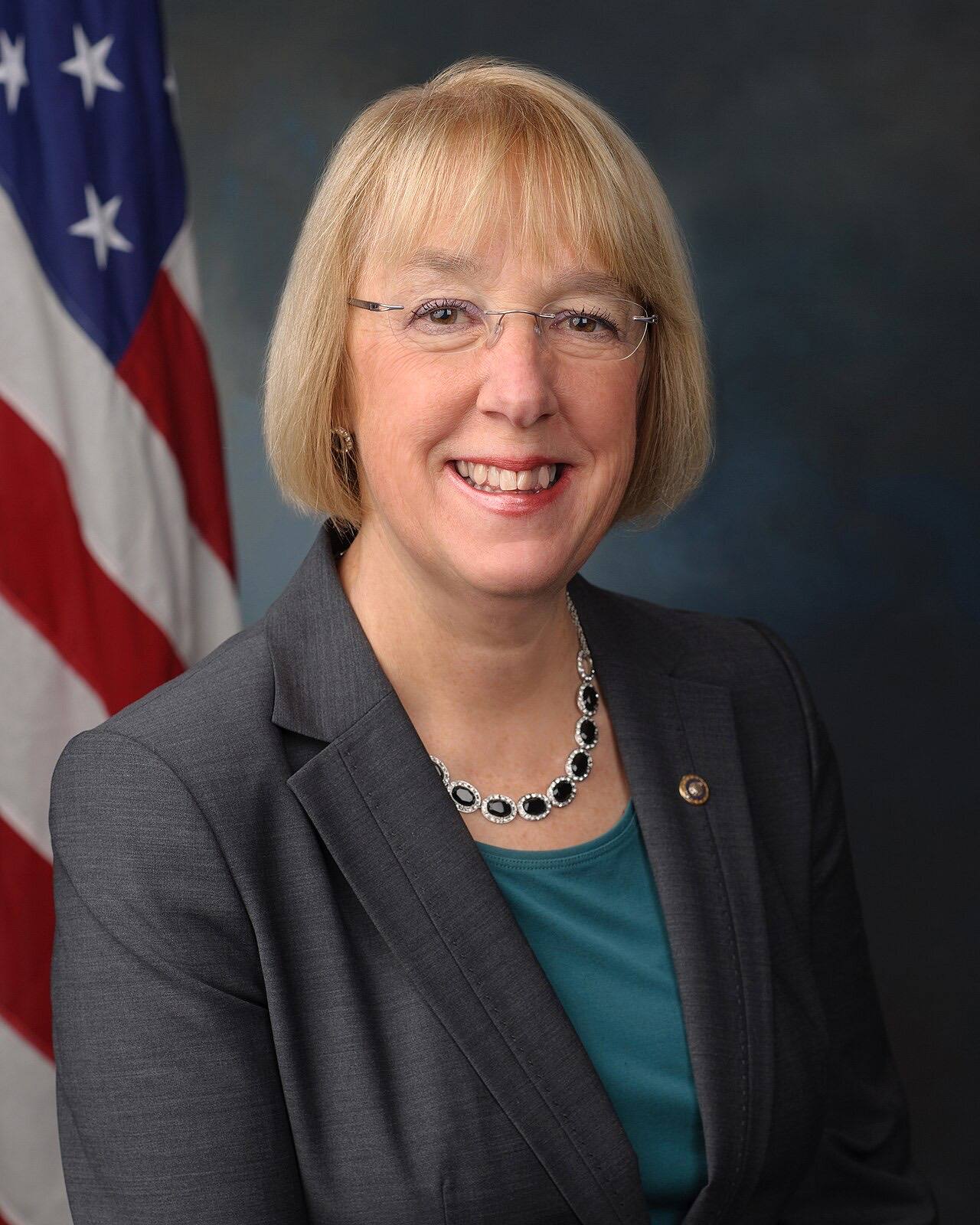
The State of the Backlog
The VA has faced persistent challenges in managing the influx of claims from returning service members. As of November 2012, reports indicate that there are over 900,000 claims pending, with a significant percentage of these claims waiting over 125 days to be processed. This has led to mounting frustration among veterans, many of whom are in dire need of timely assistance.
“Veterans deserve timely access to the benefits they have earned. The backlog is a disgrace.”
On one side, advocates argue that the backlog is a direct result of insufficient funding and staffing within the VA. They contend that the system is overwhelmed by the sheer volume of claims, particularly as more veterans return from combat zones in Iraq and Afghanistan. Critics of the current administration point to a lack of urgency in addressing these issues, suggesting that the problem has been allowed to fester for too long.

Conversely, some politicians and pundits on the right suggest that the VA’s issues stem from bureaucratic inefficiencies that have plagued the government for decades. They argue that the VA needs to adopt more private sector practices to streamline processes, and they advocate for increased competition in the healthcare system. However, this perspective risks oversimplifying a complex issue that requires more than just a market-based solution.
The Political Landscape
The conversation surrounding the VA backlog has become increasingly partisan. Democrats often highlight the need for increased funding and resources, while Republicans point to the need for reform and accountability. This back-and-forth has resulted in little substantive progress, leaving veterans caught in the crossfire.
Some veterans organizations have expressed concern that the focus on numbers - whether it be the length of time for claims processing or the total amount of pending claims - overshadows the real-life implications for individuals. For many veterans, these are not just statistics; they represent lives that are on hold, families that are struggling, and individuals facing medical issues without the support they need.
Real Impacts on Veterans
Take, for instance, the story of a veteran suffering from PTSD who has been waiting for months for a decision on his disability claim. While political leaders debate the merits of reform versus funding, his mental health continues to deteriorate. He is not alone; countless veterans are in similar situations, waiting for the benefits they are entitled to receive.
“The numbers mean nothing if we fail to address the human cost behind them.”
Furthermore, the backlog’s impact extends beyond individual veterans. Families are also affected, often bearing the financial strain that comes with delayed claims. The discourse around the backlog risks turning veterans into mere statistics, rather than acknowledging their humanity and the sacrifices they have made for their country.
The Path Forward
As we approach Veterans Day, it is crucial that we push for a solution that addresses not just the numbers but the people behind them. This means bipartisan cooperation and a commitment to reforming the VA system in a way that prioritizes the needs of veterans. It also requires a cultural shift in how we view veterans’ issues - moving beyond mere political posturing and towards genuine care for those who have served.
In conclusion, the veterans affairs backlog is a pressing issue that requires urgent attention from both sides of the aisle. Numbers alone will not resolve the crisis; it is the stories behind those numbers that must drive the conversation. As a nation, we owe it to our veterans to ensure that they receive the support they need in a timely manner, so they can rebuild their lives after service.
✦ ✦ ✦