From the file. Written for the paper dated November 2012. Opened in the public stacks July 14, 2026.
As Americans navigate the economic landscape of November 2012, the specter of interest rates looms large, influencing everything from mortgages to business loans. The ongoing debate over monetary policy reveals the complexities behind the numbers and the implications for both consumers and investors.

The Current State of Interest Rates
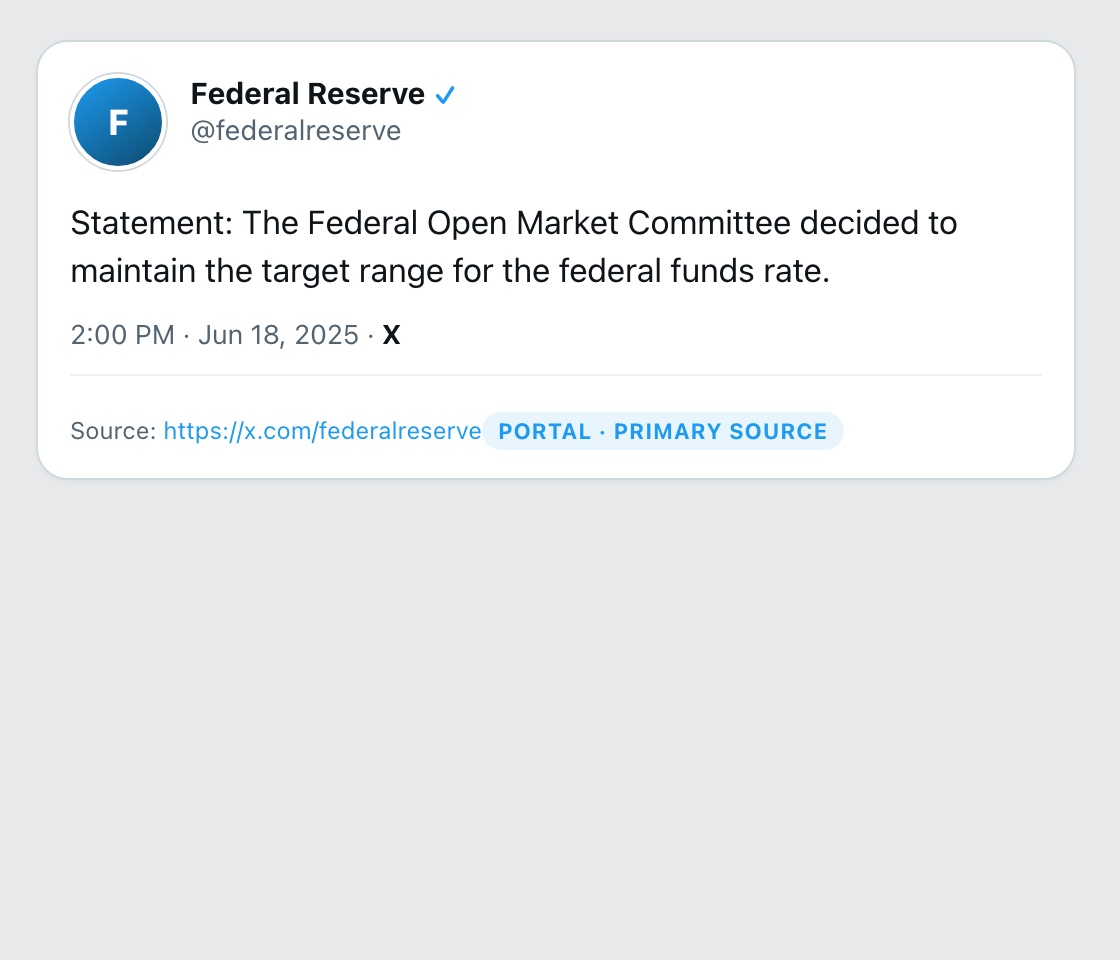
The Federal Reserve has maintained historically low interest rates in an effort to stimulate the economy post-recession. With the federal funds rate hovering near zero, many are left wondering how long this will last and what it really means for everyday Americans. On one side of the aisle, proponents of continued low rates argue that they are necessary to support economic recovery. On the other, critics assert that prolonged low rates might lead to inflation and asset bubbles.
"Low interest rates are a double-edged sword, essential for recovery but potentially perilous in the long run."
The Left's Perspective: Caution and Compassion
Progressives advocate for low interest rates as a means to promote economic growth and accessibility. They argue that cheaper borrowing costs empower consumers to purchase homes and cars and enable businesses to expand. This compassionate approach seeks to address the economic inequalities exacerbated by the recession. However, the left may sometimes overlook the potential long-term consequences, such as the risk of inflation. Their focus on immediate benefits can lead to a neglect of the need for sustainable economic practices.

The Right's Perspective: Fiscal Responsibility and Fear
Conversely, conservative voices often emphasize the dangers of low interest rates, warning that they may lead to reckless spending and inflated asset prices. The right calls for a more cautious approach, fearing that without a return to higher rates, the economy might spiral into chaos. While their concerns are not unfounded, the right can sometimes veer into alarmist territory, advocating for measures that could stifle growth rather than promote it. Their fixation on fiscal responsibility can overshadow the immediate needs of American families struggling to recover from the economic downturn.
The Middle Ground: Seeking Balance
Both sides of the political spectrum make valid points, yet their extremes threaten to hinder productive discourse. The reality is that interest rates are a tool that must be wielded with care and foresight. The question is not simply whether rates should remain low or be increased, but how to find a balance that supports growth while safeguarding against potential pitfalls.
The Impact on Consumers and Businesses
For consumers, low interest rates have translated into lower mortgage rates, providing an opportunity for home ownership that might have been out of reach just a few years ago. However, the benefits are not distributed equally. Those with poor credit histories or those living in economically depressed areas may find themselves unable to take advantage of these favorable rates.
Businesses, too, face a mixed bag. While low rates encourage borrowing for expansion, they can also lead to an environment of uncertainty, making businesses hesitant to invest. A cautious approach from lenders can create barriers for small businesses that rely on capital to grow. This cycle of hesitation can stifle innovation and job creation.
The Future of Interest Rates
As we look to the future, the potential for an eventual increase in interest rates looms. Analysts are divided on when this might occur, with some predicting that the Fed will keep rates low well into 2013 and beyond. The uncertainty surrounding this issue highlights the need for a thoughtful approach to monetary policy that considers both immediate economic needs and long-term stability.
Concluding Thoughts
Interest rates are more than just numbers; they are a reflection of our economic priorities and challenges. As the nation continues to grapple with the aftereffects of the recession, both the left and the right must engage in constructive dialogue to navigate these complexities. A balanced approach is crucial to ensure that the benefits of low interest rates do not come at the cost of long-term economic health.
✦ ✦ ✦