From the file. Written for the paper dated November 2012. Opened in the public stacks July 14, 2026.
As we approach the end of 2012, consumer confidence is once again a topic of heated discussion among economists, politicians, and the public alike. But what do the latest numbers really show about the state of the American consumer?

Understanding the Metrics
Consumer confidence is often measured by indices that gauge how optimistic or pessimistic consumers feel about the economy and their own financial situations. The Conference Board and the University of Michigan's Consumer Sentiment Index are two of the most closely watched indicators. Recently, both have shown fluctuations that can be interpreted in various ways, depending on one’s political or economic perspective.
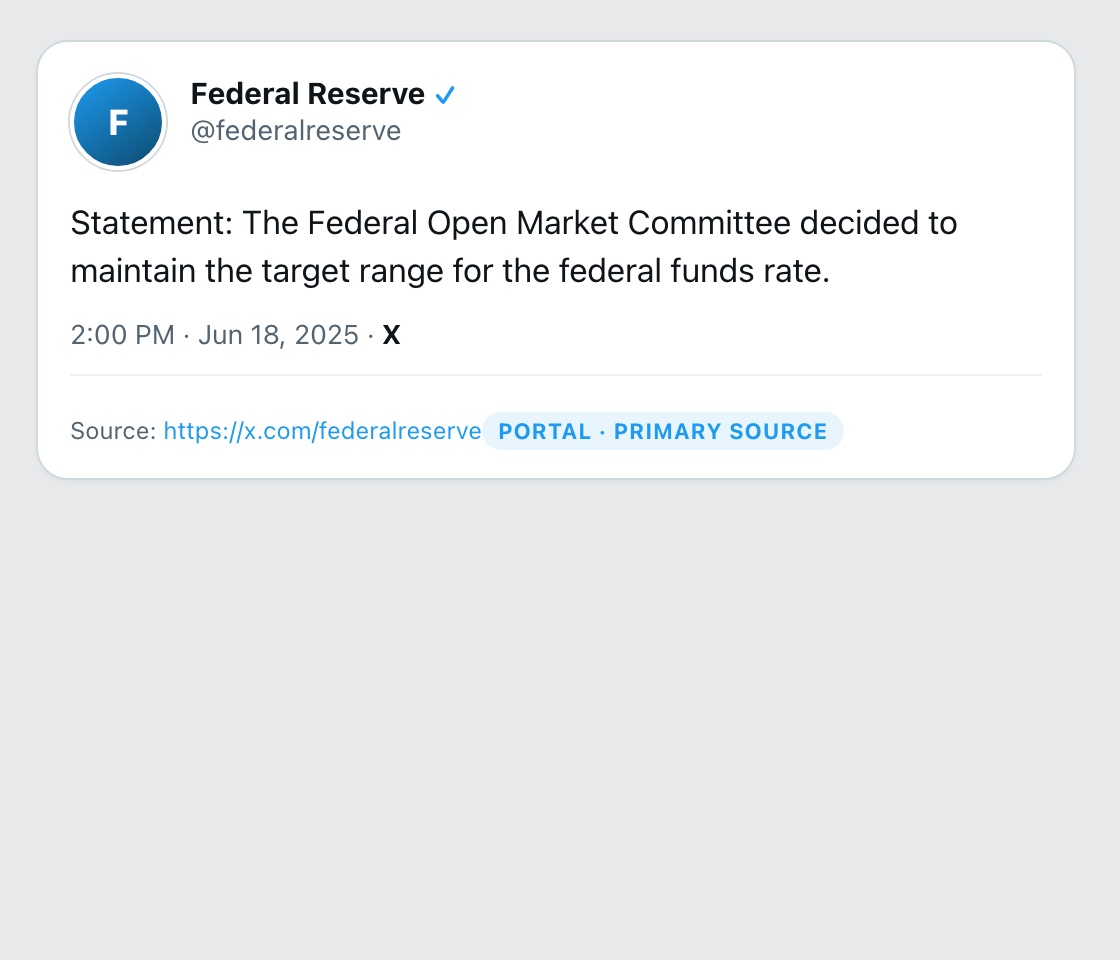
On one hand, the numbers indicate a slight uptick in consumer confidence, suggesting that Americans are regaining some faith in the economy as we head toward the holiday shopping season. This could be seen as a positive sign for retailers and the broader economy. However, the interpretation can drastically shift if one considers the context behind these figures.

Political Spin: The Left and the Right
The left often touts rising consumer confidence as a sign of recovery under the current administration's policies, claiming that stimulus measures and regulatory reforms are beginning to pay off. They argue that increased confidence will lead to higher spending, which in turn will drive economic growth. Yet, this narrative may overlook the fact that many consumers still face stagnation in wages and rising costs of living, which could dampen long-term spending prospects.
Conversely, the right tends to frame these same numbers as evidence of a fragile economy, warning that any positive consumer sentiment is merely a temporary blip likely to collapse under the weight of ongoing governmental debt and overregulation. They argue that the underlying issues - such as high unemployment rates and sluggish wage growth - are still prevalent, casting doubt on the sustainability of this newfound confidence.
What Lies Beneath the Surface?
While the headlines may celebrate an uptick in consumer confidence, a deeper look reveals that such confidence is often fragile and influenced by a variety of external factors. For instance, the uncertainty surrounding the upcoming fiscal cliff and looming tax increases has left many consumers hesitant to spend. A recent poll indicated that a significant percentage of consumers remain cautious about making large purchases, preferring instead to save for potential economic fluctuations.
"Consumer confidence is a fickle friend; it can rise and fall with the winds of political and economic uncertainty."
The Role of the Media
The media plays a crucial role in shaping public perception of consumer confidence. Headlines that herald a rise in confidence can create a self-fulfilling prophecy, encouraging consumers to spend more. However, sensationalized reports on economic downturns can have the opposite effect, prompting consumers to tighten their wallets. This cyclical relationship between media coverage and consumer behavior underscores the importance of responsible reporting.
Looking Ahead: The Holiday Season
As we enter the holiday shopping season, the stakes are particularly high for retailers. Many are counting on a boost from consumer confidence to drive sales. Early indicators suggest that consumers may indeed be more willing to spend this year compared to last, but whether this trend will hold remains to be seen. Analysts are watching closely, noting that any unexpected shifts in consumer sentiment could have significant implications for the economy.
Conclusion
In conclusion, while the numbers may suggest a rise in consumer confidence, the reality is far more complex. Both sides of the political spectrum are quick to claim victory based on these figures, but a nuanced understanding reveals a landscape fraught with uncertainty. As consumers prepare for the holiday season, their cautious optimism may be tested by economic realities that are still very much in play. It is essential for policymakers and media alike to present a balanced view, recognizing the fragility of consumer sentiment while fostering an environment that encourages sustainable economic growth.
✦ ✦ ✦