From the file. Written for the paper dated October 2012. Opened in the public stacks July 14, 2026.
In an era where certainty feels like a commodity, the phenomena of solar storms has captured the public's imagination, drawing both scientific interest and sensational headlines.
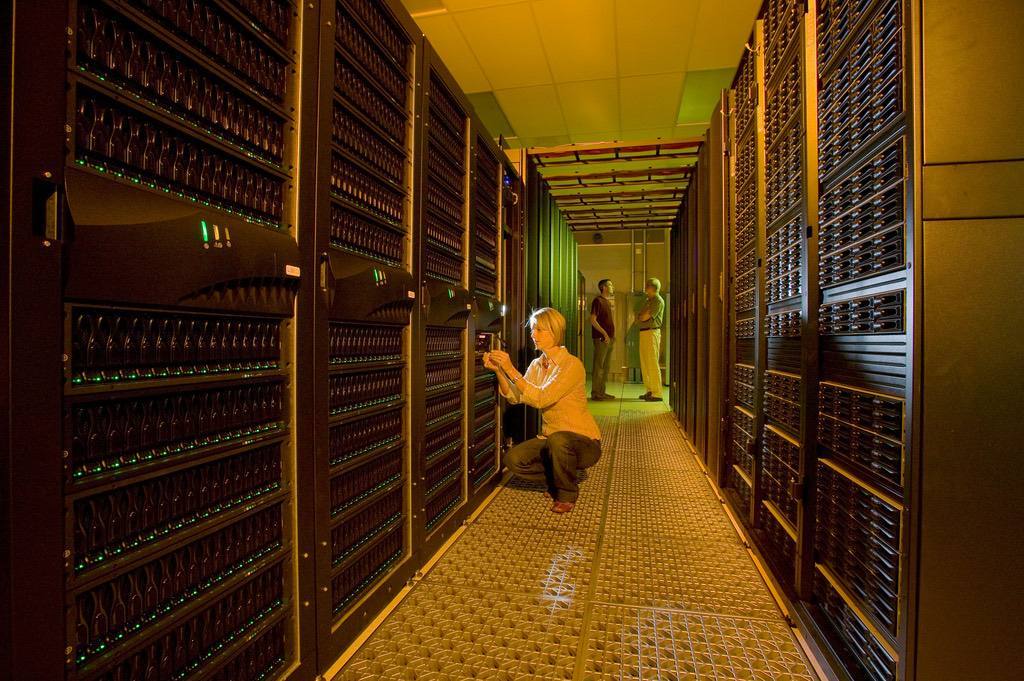
Understanding Solar Storms
Solar storms, or coronal mass ejections, occur when the sun emits vast amounts of plasma and magnetic fields into space. These events can disrupt satellite communications, power grids, and even pose risks to astronauts in orbit. As the sun approaches its peak activity in the 11-year solar cycle, scientists are keeping a vigilant eye on the potential impacts of these storms on Earth.

However, as interest in solar storms has surged, so too has the inclination for sensationalism. Headlines proclaiming impending doom from the latest solar event can be found across various media platforms. On one hand, this heightened awareness can be beneficial, prompting necessary discussions about preparedness and infrastructure. On the other hand, it can lead to fear-mongering, overshadowing the nuanced understanding of these natural phenomena.

The Science Behind the Storms
The reality is that while solar storms can be powerful, predicting their effects is a complex science. Researchers at NASA and other institutions utilize satellites and ground-based observatories to monitor solar activity. Yet, the ability to forecast the exact timing and intensity of these storms remains a challenge. This uncertainty is often sanitized in favor of more sensational narratives that cater to a public hungry for answers.
"The sun is unpredictable, and while we can make educated guesses, we must avoid painting a picture of absolute certainty." - Dr. Jane Holloway, astrophysicist
Dr. Jane Holloway, an astrophysicist at the Solar Dynamics Observatory, emphasizes the importance of tempered expectations. "The sun is unpredictable, and while we can make educated guesses, we must avoid painting a picture of absolute certainty," she notes. This sentiment underscores a growing divide in how information is presented - between the scientific community's cautious optimism and the media's penchant for alarmism.
The Media's Role
In an age where news cycles are rapid and attention spans are short, the demand for captivating stories often leads to hyperbole. Media outlets frequently prioritize eye-catching headlines over nuanced reporting. While the science is inherently fascinating, it is often simplified to fit into a 30-second sound bite or a flashy article. This creates a disconnect between the complexities of astrophysics and public understanding.
Moreover, this approach can lead to politicization of science. Both ends of the political spectrum have taken stances on the implications of solar storms. Some argue for increased funding for space weather research, while others dismiss the need for such measures, claiming the risks are overstated. The reality is that both sides risk overlooking the scientific consensus, which calls for a balanced approach to both preparedness and skepticism.
A Call for Balanced Discourse
The conversation surrounding solar storms should not be dominated by extremes. Instead, it should invite collaboration between scientists, policymakers, and the media. Public understanding can only be enhanced through a commitment to accurate reporting that conveys the nuances of scientific research. This means presenting the facts without sensationalism while acknowledging the limitations of current knowledge.
Conclusion: Accepting Uncertainty
As we navigate the complexities of solar storms and their impacts, it is vital to foster a culture of understanding rather than fear. While certainty may be a compelling narrative, the unpredictable nature of our sun is a reminder that there is much we still do not know. Embracing this uncertainty can lead to more informed discussions and ultimately better preparedness for the challenges that lie ahead.
✦ ✦ ✦