From the file. Written for the paper dated August 2012. Opened in the public stacks July 14, 2026.
In a world increasingly polarized by partisan divides, the cost of certainty has emerged not merely as a political slogan but as a profound societal concern. As citizens, we are often encouraged to don our metaphorical team jerseys - be it red or blue - and rally behind a singular narrative. However, this unquestioning loyalty comes at a price: the failure to critically assess our beliefs and the oversight of nuanced realities that lie outside the confines of our chosen ideologies.
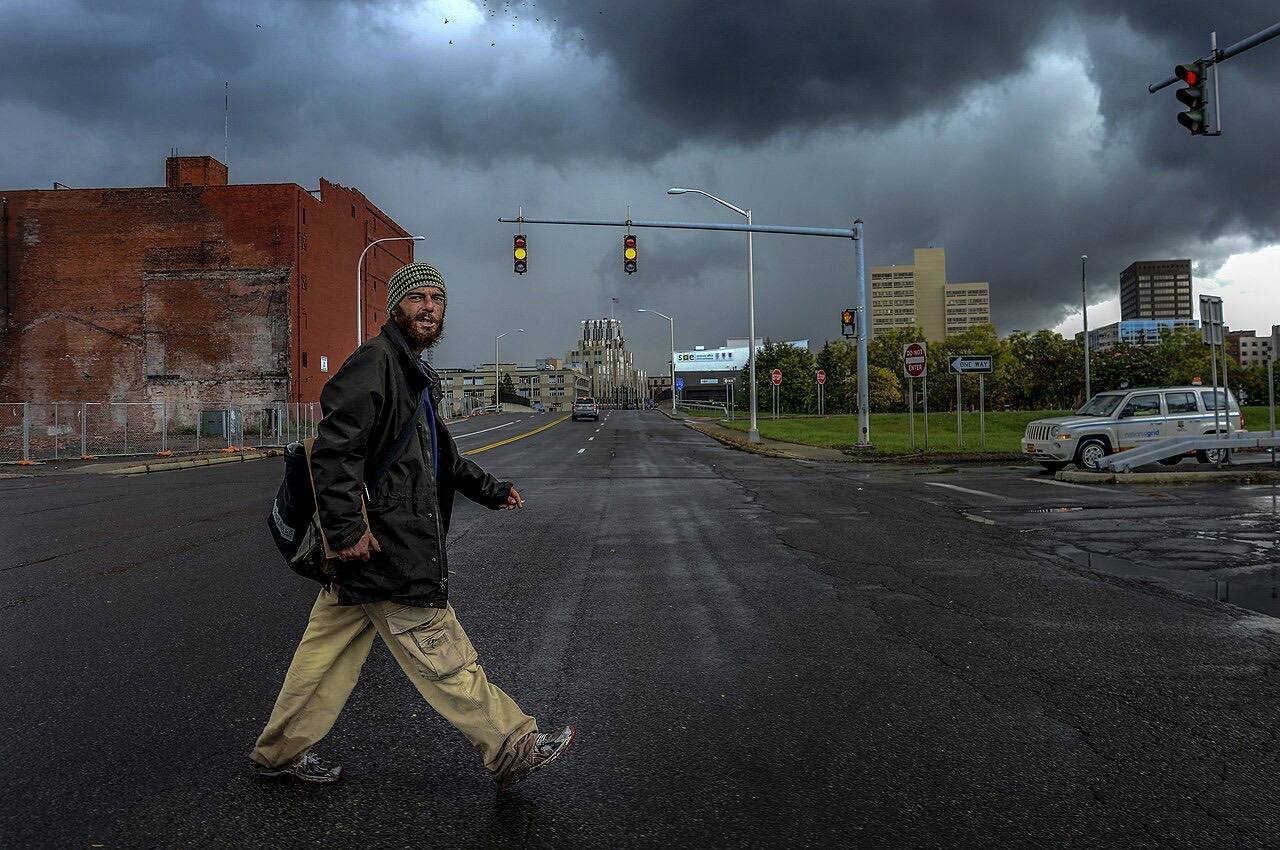
What Happens to Critical Thought?
The current political landscape is rife with examples where both left and right have succumbed to the allure of certainty. On the left, there is a troubling trend of dismissing dissenting viewpoints as mere artifacts of ignorance. Consider the ongoing debate surrounding climate change. While the consensus among scientists is clear, the left's adamant stance often leaves little room for healthy discourse. Instead of fostering an inclusive dialogue that engages skeptics, there is a tendency to vilify them, ultimately stifling a comprehensive understanding of the complex issues at play.
Meanwhile, on the right, there is a parallel excess in the form of a dogmatic adherence to free-market principles. The belief that unfettered capitalism can solve all economic woes has been met with increasing skepticism, yet many proponents remain unwavering in their conviction. This has led to a dangerous oversimplification of the economic challenges facing the nation. In their pursuit of certainty, they overlook the multifaceted nature of economic crises, often failing to consider how social safety nets and regulatory measures can play a crucial role in stabilizing the market.

Certainty without scrutiny leads us to a blind allegiance to ideas that may not withstand the test of reality.
The Quiet Failure of Oversight
As both sides dig in their heels, the quiet failure of oversight becomes evident. When certainty trumps inquiry, we risk creating echo chambers where only the loudest voices are heard. This phenomenon is exacerbated by a media landscape that thrives on sensationalism rather than substantive reporting. Outlets on both sides often cater to their audiences' preexisting beliefs, further entrenching divisions and fostering an environment where critical thought is sacrificed for affirmation.
Moreover, this unwavering commitment to certainty can lead to disastrous policy decisions. The Affordable Care Act, for example, was met with fierce opposition from conservatives who deemed it a government overreach. Their certainty in this belief drowned out meaningful discussions about the potential benefits of expanding healthcare access. Conversely, some on the left, in their certainty about the law's efficacy, have neglected to address its shortcomings, such as rising premiums and limited choices for consumers.
Finding Common Ground
What we need instead is a willingness to embrace uncertainty. This does not mean abandoning our principles or values but rather acknowledging that complex issues often require multifaceted solutions. Finding common ground should be the goal, not merely rallying behind a team jersey. When both sides engage in constructive dialogue, they can uncover shared values that transcend partisan lines.
Take, for instance, the conversation around education reform. While there are stark differences in approach, both sides share a common goal: to ensure that future generations are equipped to succeed. By stepping away from rigid ideologies and engaging in collaborative efforts, we can explore innovative solutions that blend accountability, school choice, and equitable funding.
Furthermore, it is essential to cultivate an environment that encourages dissenting opinions. Universities and public forums should be bastions of free thought, where diverse perspectives can be shared and debated. This is where the seeds of critical thinking can flourish, allowing individuals to question the narratives they have been fed and develop a more nuanced understanding of the world around them.
Embracing Uncertainty
In this climate of division, the cost of certainty is proving too high. It is imperative that we challenge ourselves and others to step outside our comfort zones, to question our beliefs and engage with those who think differently. The path forward lies not in the unwavering loyalty to a party or ideology, but in the willingness to embrace uncertainty and appreciate the complexity of the issues we face.
Ultimately, our collective wellbeing depends on our ability to move beyond the confines of our team jerseys and engage in meaningful discourse. Only then can we foster a political climate that values reasoned debate and critical thinking, paving the way for policies that benefit all Americans rather than just one faction.
✦ ✦ ✦