From the file. Written for the paper dated July 2012. Opened in the public stacks July 14, 2026.
As the political landscape becomes increasingly polarized, the importance of reading primary sources cannot be overstated. In a week that has seen both the left and the right engage in fiery debates, the call for an honest, middle-ground approach has never been more relevant.

The Trouble with Echo Chambers
In our current era, both sides of the political spectrum seem more concerned with rallying their bases than engaging in meaningful dialogue. The left champions social justice and equality, yet often veers into dogmatism that can alienate moderate voices. Meanwhile, the right staunchly defends traditional values but, at times, descends into a rhetoric that dismisses legitimate concerns about inequality and injustice.

This week, as we sift through various primary sources - from speeches and manifestos to legislative texts and policy papers - it becomes evident that both extremes are guilty of oversimplifying complex issues. The left may push for sweeping reforms that could disrupt established social structures without considering the repercussions, while the right may cling to outdated notions of meritocracy that fail to address the systemic barriers many face.

“The middle ground is often the most uncomfortable place to be, yet it is where true understanding lies.”
Primary Sources: A Tool for Clarity
Engaging with primary sources allows us to step outside the echo chambers of partisan media and think critically about the issues at hand. For instance, a recent policy proposal from a prominent political figure on the left emphasizes the need for universal healthcare. While the intentions are noble, a thorough reading reveals potential pitfalls, such as funding mechanisms and implementation challenges that are glossed over in passionate rallies.
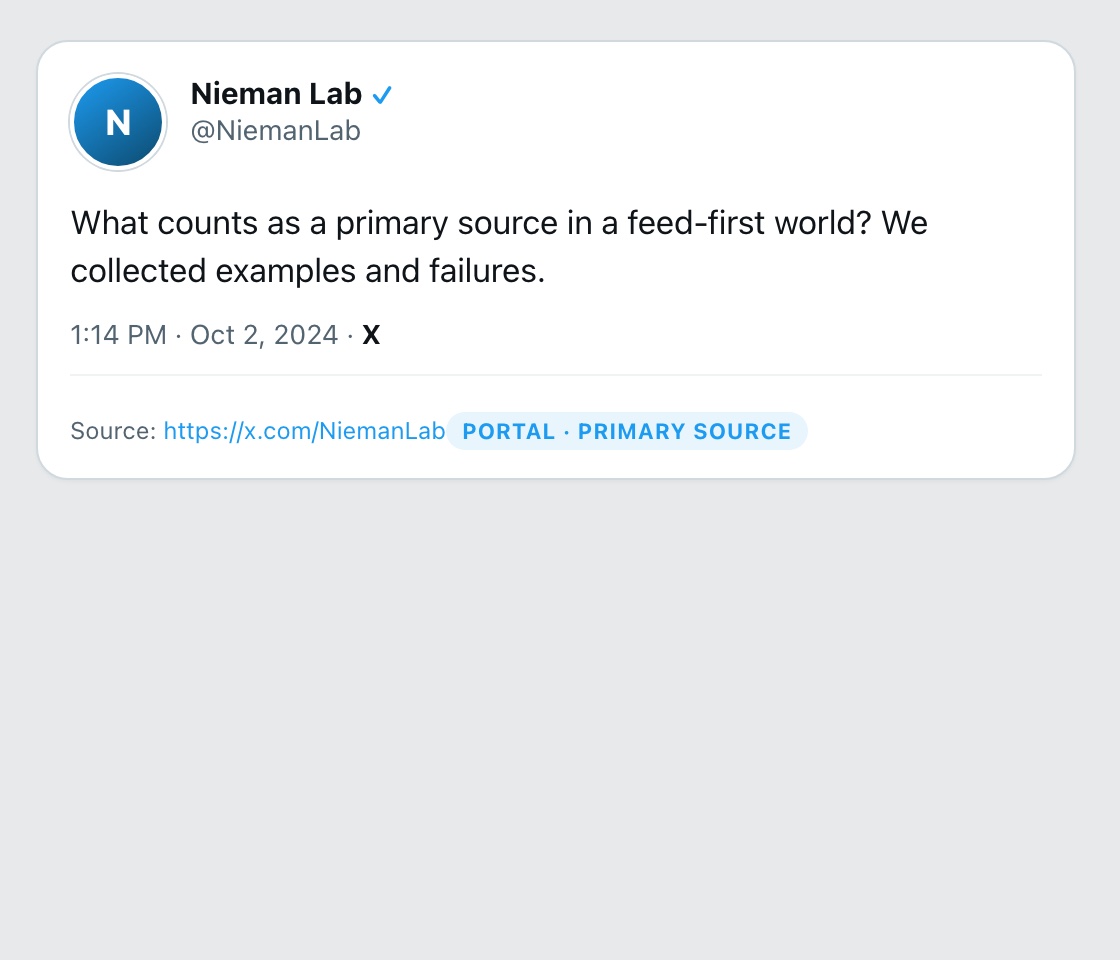
Conversely, a right-leaning commentary on fiscal responsibility may highlight necessary budget cuts. However, a closer examination of their proposed cuts to social programs raises questions about their commitment to the most vulnerable populations. By looking directly at these primary texts, we can discern the nuances that are often lost in the heated exchanges of televised debates and social media spats.
The Importance of Nuance
This week has also brought to light the necessity of nuance amidst the cacophony of voices clamoring for attention. A left-leaning scholar's critique of systemic racism, when examined in detail, reveals a deeply researched perspective that calls for solidarity but also critiques methods that may alienate potential allies. On the flip side, a conservative economist’s analysis of job creation often fails to consider how economic policies disproportionately affect marginalized groups.

What’s alarming is that both sides sometimes resort to a kind of moral absolutism. The left may label opponents as heartless, while the right may dismiss progressive advocates as misguided. This mutual demonization only serves to deepen the divide, making it imperative for concerned citizens to seek out primary sources that shed light on these complex issues.
Moving Toward a Constructive Dialogue
In an age where political affiliation can dictate one’s worldview, the ability to engage with ideas that challenge our own is invaluable. Reading primary sources is not merely an academic exercise; it is an act of civic responsibility. By doing so, we can foster a culture of understanding, where both sides recognize the merits in each other’s arguments, even if they do not fully agree.
This week, as we reflect on the primary sources at our disposal, let us strive for a more balanced perspective. Acknowledging the strengths and weaknesses in the arguments presented by both sides will not only enrich our understanding but also pave the way for dialogue that is rooted in respect and a shared commitment to our democracy.
✦ ✦ ✦