From the file. Written for the paper dated July 2012. Opened in the public stacks July 14, 2026.
As we approach the midpoint of July 2012, interest rates remain a focal point for economists and consumers alike. The ongoing debates about the economy and the Federal Reserve's monetary policy bring rising tensions, and this week is no exception. A closer examination reveals a landscape marked by both opportunities and challenges, reflecting the complexities of our current economic environment.

The Current State of Interest Rates
The Federal Reserve's latest moves regarding interest rates have sparked conversations across the country. With the economy still recovering from the Great Recession, there is palpable concern about how rising rates might impact various sectors. The Fed has kept rates near zero for an extended period to stimulate growth, but the question now is whether this approach is sustainable.
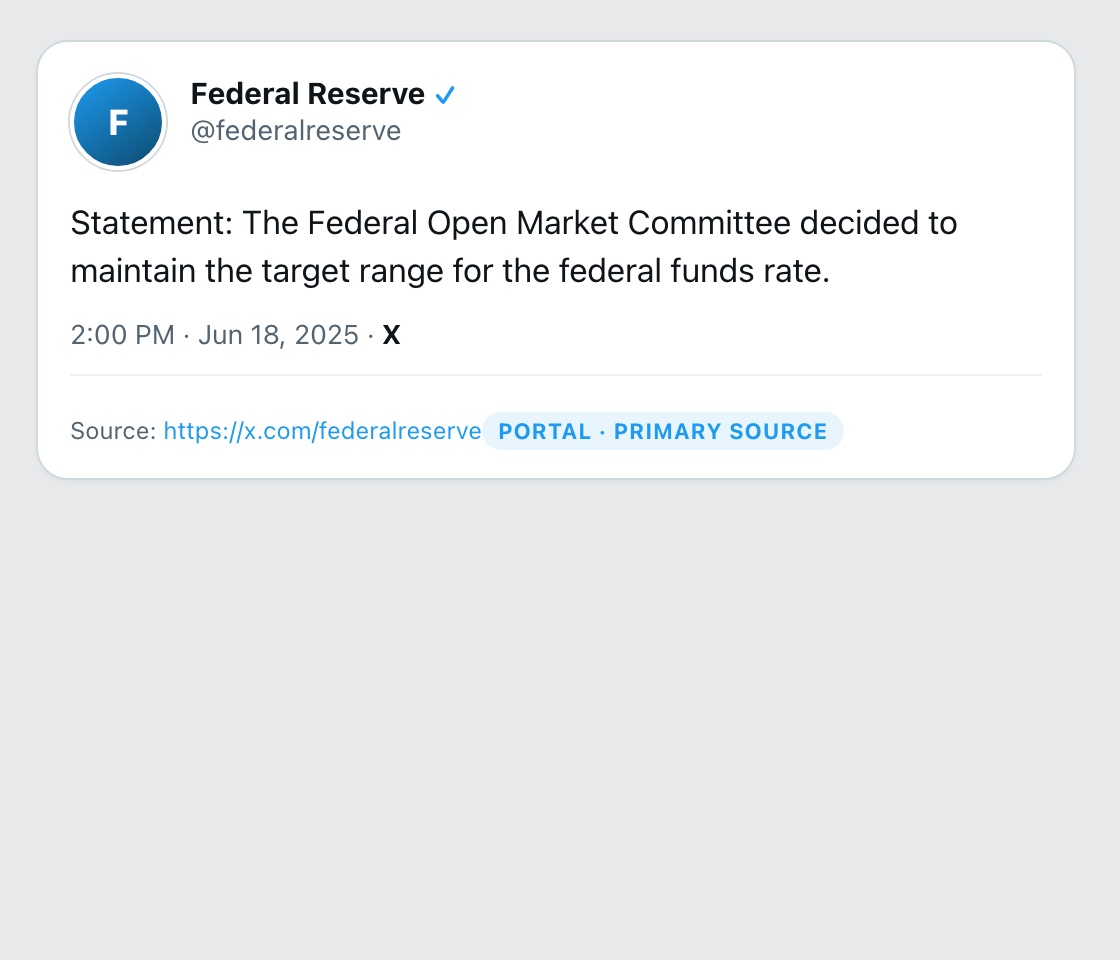
On one hand, low interest rates have made borrowing more accessible for consumers and businesses. This has encouraged spending and investment, crucial components of economic recovery. However, critics argue that prolonged low rates could lead to asset bubbles and inflationary pressures that may be detrimental in the long run.

"We have to be cautious about how long we keep interest rates low. The consequences of inaction could be just as detrimental as raising rates too quickly."
Excesses of the Left and Right
The discourse surrounding interest rates has often been polarized. On the left, there is a strong push for maintaining low rates to ensure that vulnerable communities are not left behind in the recovery. Advocates believe that low borrowing costs are essential for fostering economic equality and stimulating growth in underprivileged areas.
However, this perspective can sometimes veer into an unrealistic optimism about the effects of low rates. The idea that simply keeping rates low will solve deeper systemic issues ignores the complexities of economic recovery. It risks fostering dependency on cheap credit and may overlook the need for comprehensive reforms that address the root causes of economic disparity.
Conversely, the right has taken a more cautious approach, advocating for increased rates to combat potential inflation and to stabilize the economy. This perspective is often underscored by a belief in market forces and a skepticism of government intervention. Yet, this view can become excessively alarmist, overlooking the positive impacts that low rates have had on growth and employment.
"We cannot ignore the signs of growth simply because we fear inflation. A balanced approach is necessary for sustainable economic health."
A Middle Ground Approach
As we navigate these complex dynamics, it’s imperative to seek a middle ground that balances the need for economic growth with responsible fiscal policy. The Federal Reserve faces the daunting task of weighing inflationary pressures against the need for continued growth.
One potential solution lies in a more gradual approach to rate increases. Instead of abrupt shifts, a measured rise in rates could provide the economy with the necessary time to adjust. This would allow consumers and businesses to prepare for changes while still benefiting from the positive effects of low rates in the short term.
What Lies Ahead?
Looking ahead, the discussion surrounding interest rates will undoubtedly continue to evolve as new data emerges and the economy responds to various stimuli. Policymakers must remain vigilant and flexible, adapting to the changing landscape while ensuring that the needs of both consumers and the economy are met.
Ultimately, it is a pivotal moment in our economic history. The choices made today regarding interest rates will have lasting implications for years to come. Striking the right balance between growth and caution will be key in navigating the uncertain terrain ahead.
Conclusion
In conclusion, while low interest rates have played a significant role in stimulating economic recovery, the potential for excess on both the left and right should not be ignored. A middle ground approach that considers both sides of the argument may be the best path forward for a sustainable economic future.
✦ ✦ ✦