From the file. Written for the paper dated July 2012. Opened in the public stacks July 14, 2026.
As the nation continues to grapple with various health crises, this week has once again highlighted the stark divisions in the responses from both sides of the political spectrum. The ongoing debates around epidemic response reflect broader ideological battles, often overshadowing the public's need for effective, science-based solutions.

Political Posturing vs. Public Health
The left and right have both shown their colors in the way they approach epidemic response. On one hand, some progressive voices argue for expansive government intervention, advocating for comprehensive health care reforms as a means to manage outbreaks more effectively. They propose policies that would increase funding for public health initiatives, support vaccine research, and ensure that every citizen has access to medical care. However, critics argue that these proposals often ignore fiscal responsibility and the potential for government overreach.
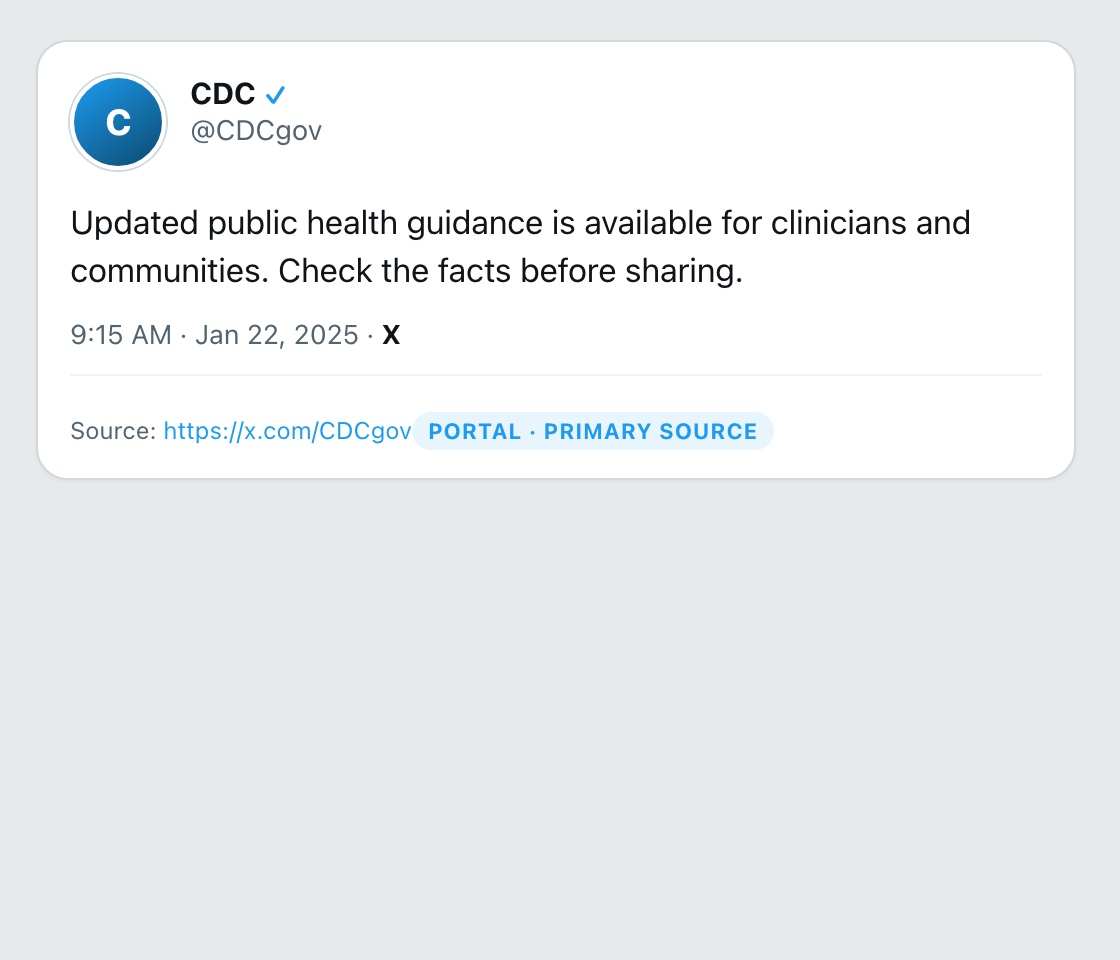
Meanwhile, the right tends to favor a more market-driven approach to health care and epidemic response. Their emphasis on personal responsibility and limited government often leads to dismissive attitudes towards public health measures. This week, some conservative commentators have questioned the necessity of certain health mandates, claiming they infringe upon individual freedoms. While it is crucial to respect personal liberties, this perspective can undermine collective efforts to manage public health crises effectively.

“The health of the community should not be sacrificed at the altar of individualism.”
Both sides of the aisle appear to be playing to their bases rather than engaging in productive dialogue. In this polarized environment, the voices advocating for a balanced, pragmatic approach are drowned out, leaving the public to navigate a confusing landscape of conflicting messages.
Science at the Center, Politics on the Sidelines
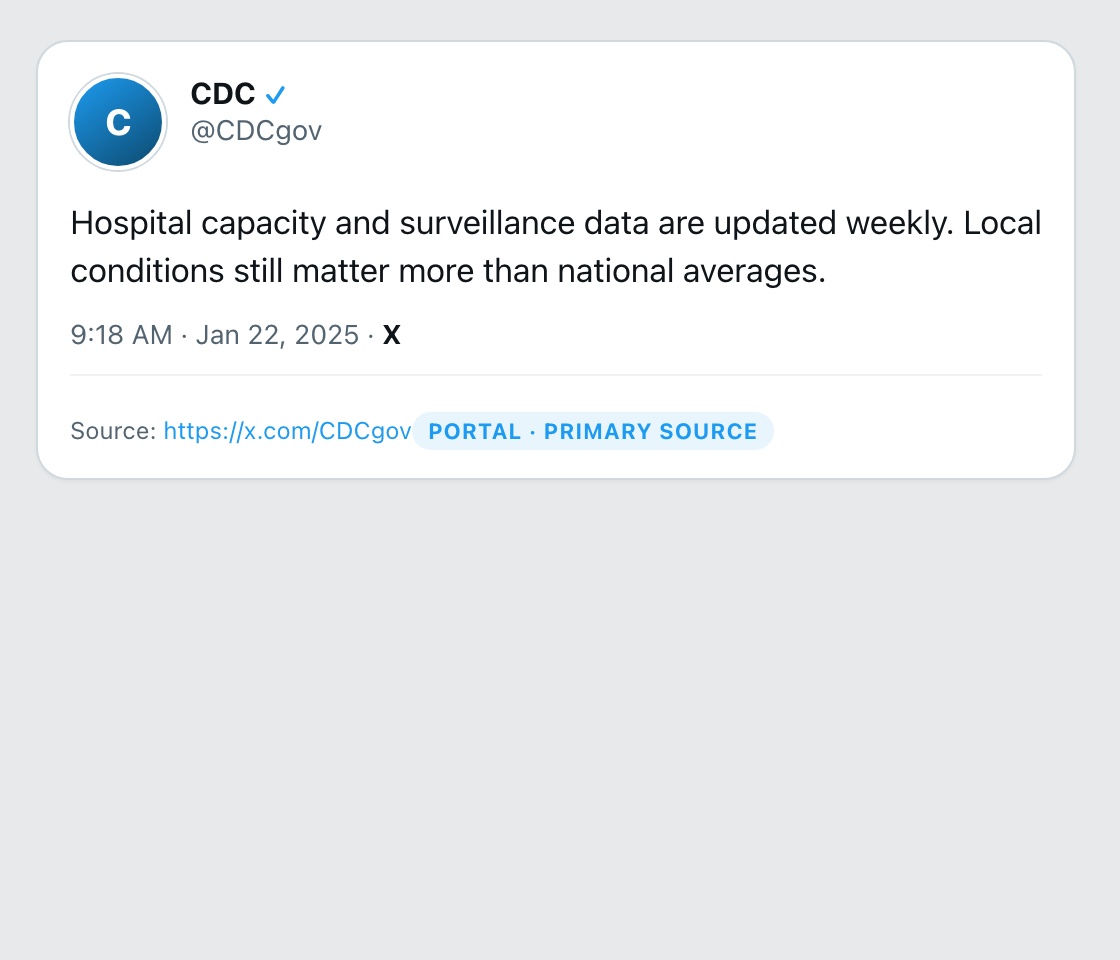
This week saw several developments in the realm of epidemic response that should be viewed through the lens of scientific integrity rather than political expediency. For instance, recent studies have provided valuable insights into the effectiveness of vaccination programs in reducing the impact of infectious diseases. Yet, these findings are often met with skepticism from segments of both the left and the right.
On the left, some activists have been known to challenge the pharmaceutical industry's motives, suggesting that profit drives vaccine development over public health. This skepticism, while rooted in valid concerns about corporate influence, can sometimes veer into conspiracy theories that reject overwhelming scientific consensus. On the right, resistance to vaccinations often stems from a belief in personal choice, yet this can lead to dangerous outcomes when misinformation spreads more rapidly than the viruses themselves.
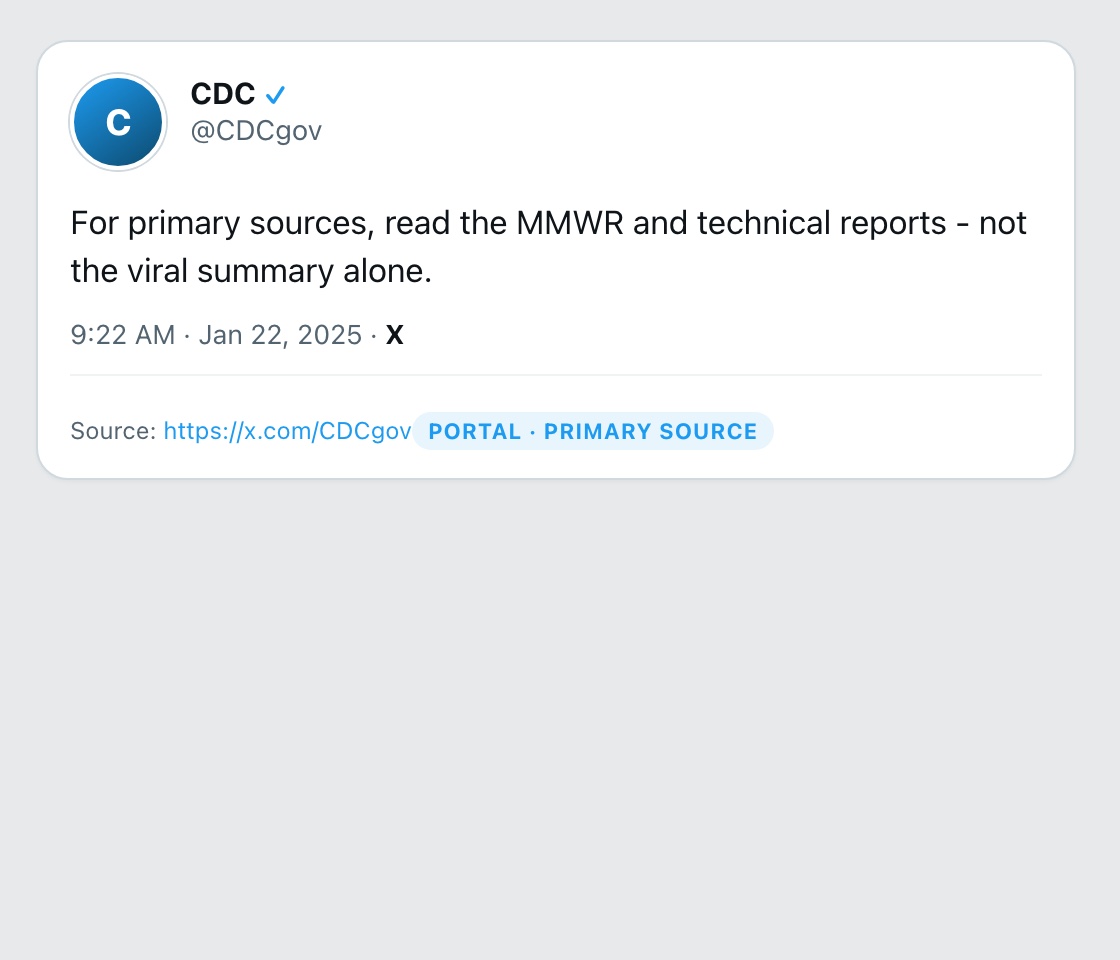
As we examine the week’s developments, it is essential to anchor our discussions in data and research rather than political rhetoric. The call for a more science-driven approach to epidemic response is one that transcends party lines, yet it is frequently overshadowed by the noise of partisan bickering.
What’s Next for Epidemic Preparedness?
Looking ahead, the need for a cohesive national strategy for epidemic preparedness has never been more pressing. As new strains of viruses emerge, the ability to respond effectively hinges on collaboration between federal and state governments, as well as the private sector. Unfortunately, the current political climate often stymies such collaboration.
Proponents of a unified response argue that we must invest in public health infrastructure and ensure that resources are allocated equitably across communities. However, this notion is met with resistance from those who prioritize tax cuts and smaller government. As a result, vital public health initiatives risk being underfunded or entirely neglected.
In summary, the past week has illustrated the dangers of politicizing epidemic response. While both sides of the aisle have their respective views, the stakes are too high for such rhetoric to dominate the conversation. As citizens, we must demand that our leaders prioritize public health over political gain, fostering an environment where science and data drive decision-making rather than ideology and fear.
✦ ✦ ✦