From the file. Written for the paper dated June 2012. Opened in the public stacks July 14, 2026.
As the world gazes in awe at the spectacle of rockets piercing the sky, few stop to consider the intricate and often unglamorous procedures that lie behind the thrill of space launches. The latest missions promise to usher in new frontiers, yet the less glamorous aspects of these operations deserve equal attention.
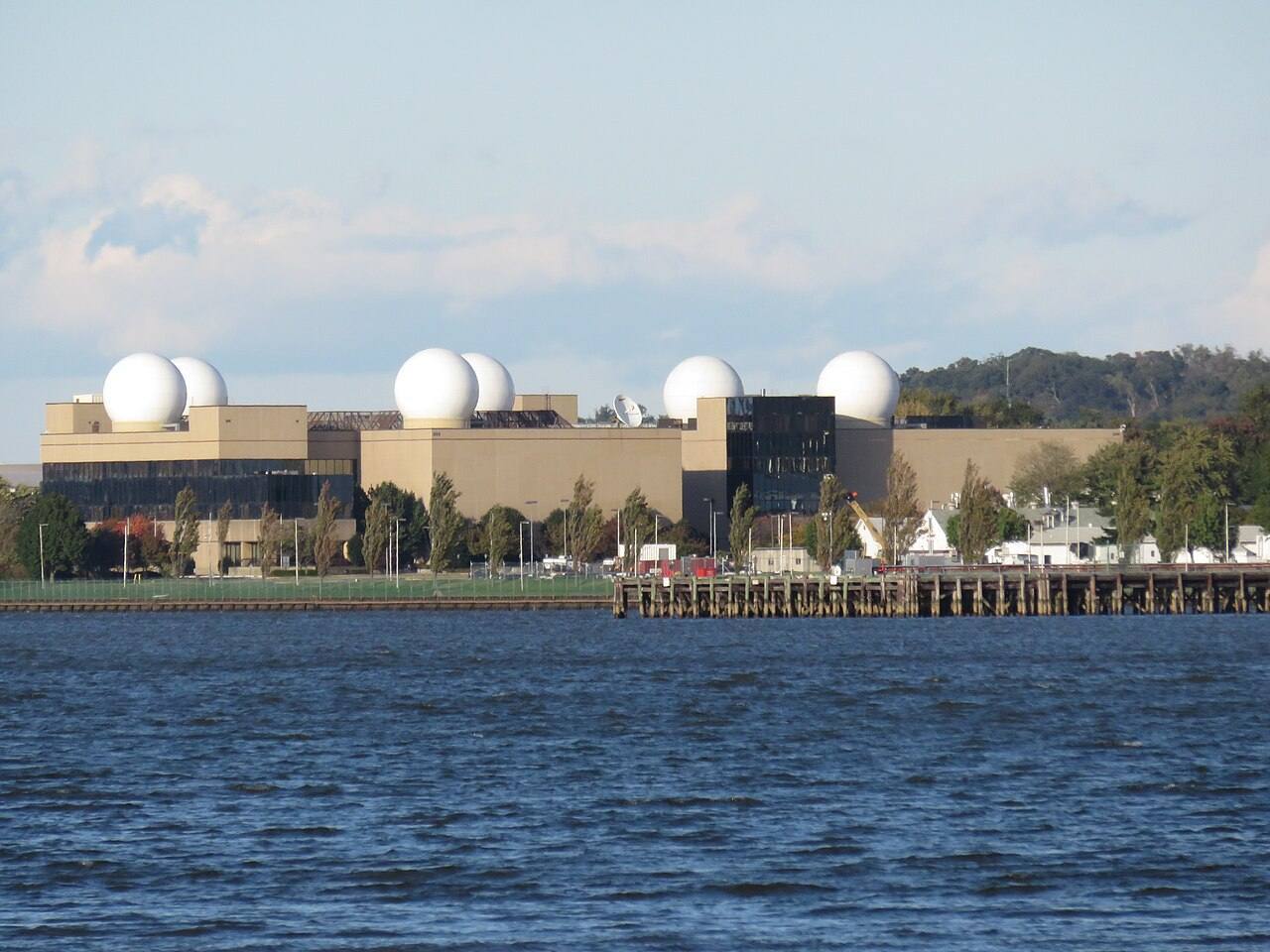
The Unspoken Reality of Launch Preparations
In recent weeks, excitement has surged around upcoming space missions, from crewed flights to Mars to ambitious satellite launches. While the media fixates on the impressive visuals of liftoffs and the scientific advancements that follow, a crucial aspect often gets overlooked: the extensive, tedious preparations required to ensure that everything goes according to plan.

Behind the scenes, engineers and technicians work around the clock to ensure that rockets are not only operational but safe for their crews and payloads. The meticulous checks, the countless simulations, and the rigorous testing protocols often occur in relative obscurity. These are not the attention-grabbing moments that make headlines but are essential for success.
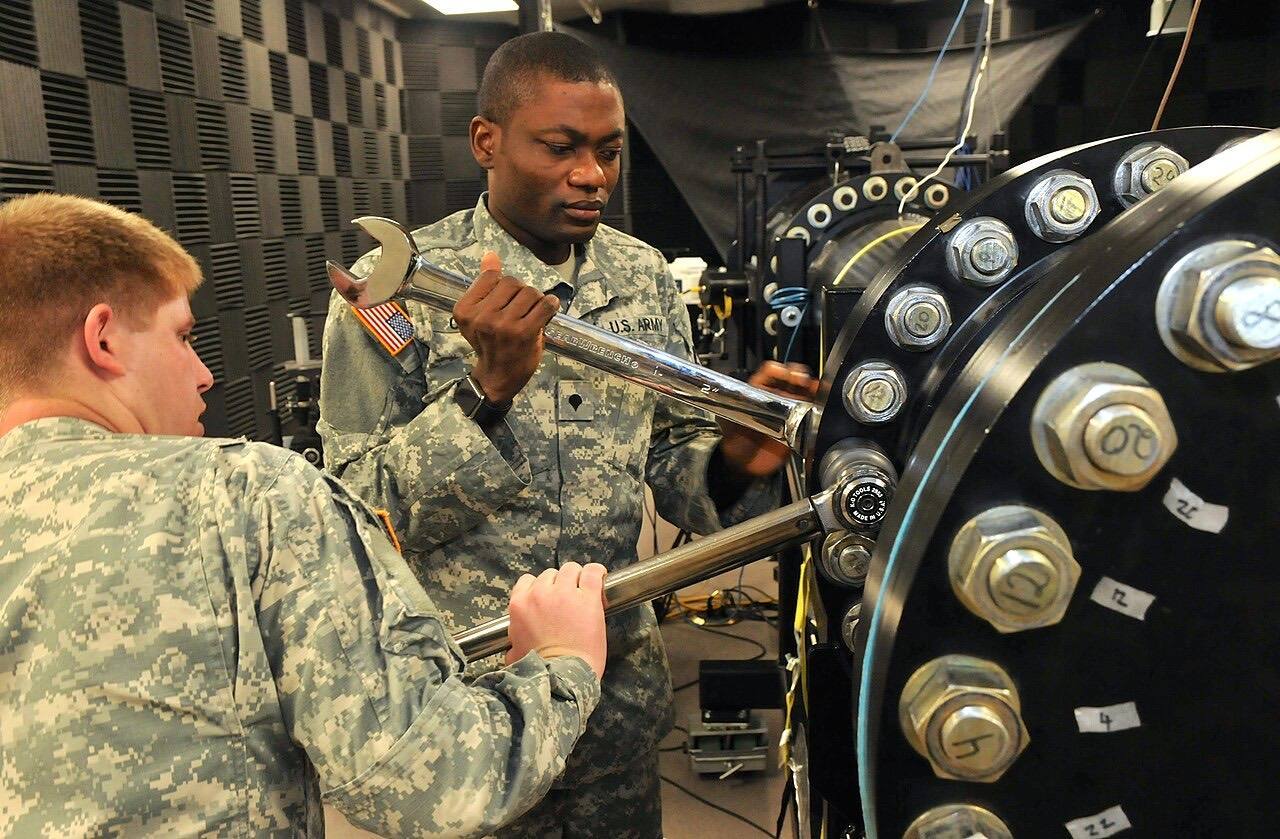
"The joy of launch should not overshadow the painstaking work that makes it possible."
Consider the last minute checks that take place before any launch. These procedures can seem mundane, but they are vital. They include everything from ensuring that all systems are functioning properly to verifying that safety protocols are adhered to. These actions are often dismissed as simply part of the routine, yet they are the bedrock upon which every successful launch rests.

Excesses on Both Sides
The current political climate has exacerbated the narrative surrounding space exploration, with factions on both the left and right vying to stake their claim on the future of the cosmos. On one hand, the left often adopts an overly romanticized view of space as a realm of unlimited potential, suggesting that exploration should serve as a panacea for earthly problems. Such a perspective overlooks the very real challenges and responsibilities that come with advancing in this field.
Meanwhile, the right tends to emphasize the competitive edge that space exploration offers, framing it in starkly nationalistic terms. The rhetoric often leans toward the idea that success in space equates to superiority on Earth - a notion that simplifies the complexities of international cooperation and understates the collaborative nature of scientific progress.

"Space is not a battleground; it is a frontier that requires collective effort."
Both extremes miss the mark by neglecting the human side of these missions - the engineers, scientists, and support staff who dedicate their lives to the meticulous work required for successful launches. The ongoing tug-of-war between these ideological extremes threatens to overshadow the collaborative spirit that has historically driven space exploration.
The Human Element in Space Launches
At the heart of every launch are the individuals who contribute their expertise and passion. Their labor often goes unnoticed, yet it is these diverse teams who make the success of missions possible. From aerospace engineers who design the systems to the technicians who perform the checks, the human element is crucial.
Moreover, the emotional toll on these workers is rarely acknowledged. As launch days near, the pressure mounts - each person involved feels the weight of their responsibilities. The stakes are high; a single error can lead to catastrophic consequences. This reality adds a layer of complexity to an already demanding job, yet often, their stories remain untold.
Rethinking Our Approach to Space
As we enter an era marked by increased ambition in space endeavors, it is crucial to adopt a more nuanced perspective. We must appreciate the collaborative efforts that underpin these missions and acknowledge the range of voices involved. Space exploration should not be weaponized as a means of national pride or ideological victory; rather, it should be celebrated as a collective human achievement that reflects our shared curiosity and determination.
Moreover, it is essential to foster a culture where the voices of those who work behind the scenes are heard. Their experiences and insights can contribute to a more comprehensive understanding of what it takes to push the boundaries of our knowledge and capabilities. Recognizing the hard work that goes into each launch can help us cultivate a more informed and appreciative public discourse around space exploration.
In a world where the spectacle often overshadows substance, let us strive to remember that every rocket launch is more than just a dramatic event; it is the culmination of countless hours of labor, dedication, and expertise from a diverse group of individuals. The human stories behind these missions deserve to be told, and it is time we elevate their voices in the ongoing conversation about our future in space.
✦ ✦ ✦