From the file. Written for the paper dated June 2012. Opened in the public stacks July 14, 2026.
As retail sales figures continue to dominate headlines, the real story lies beneath the surface - a complex web of consumer behavior, economic pressures, and the often-ignored mechanisms driving these numbers.
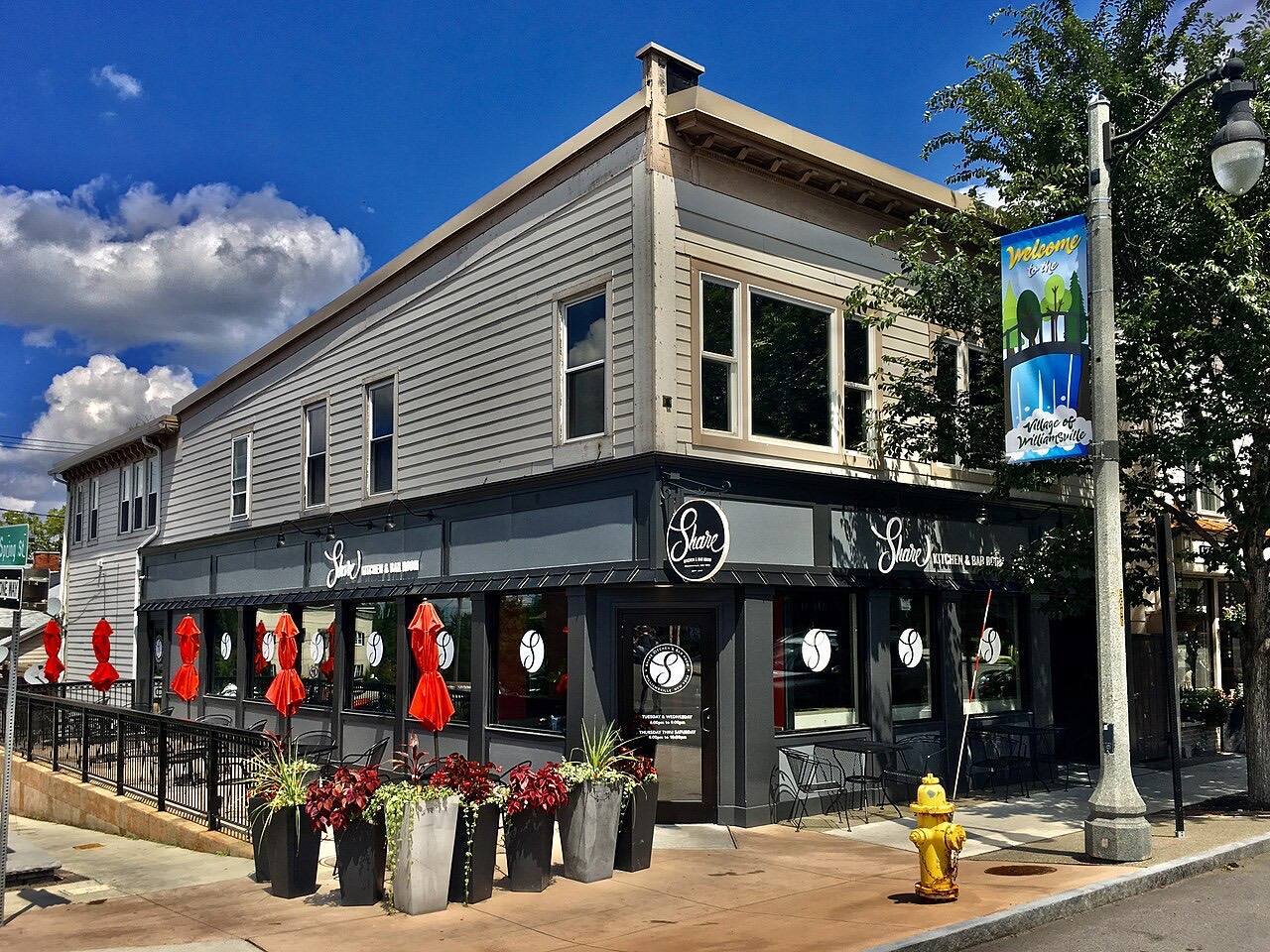
The Numbers Game
Each month, the retail sales report offers a glimpse into the economic pulse of the nation. Analysts and commentators dissect the data, attributing rises and falls to various factors, from weather patterns to consumer confidence. However, a crucial aspect is often left unexamined: the methodology behind these figures and the implications of our collective consumerism.

Retail sales are not merely about how much we spend, but how and why we make our purchasing decisions. The methodology used to arrive at these sales figures is frequently glossed over. Are we simply celebrating retail growth, or are we ignoring underlying issues such as wage stagnation, debt levels, and the economic disparity that plagues many communities?

The Left's Consumerism Dilemma
On the left, there seems to be a contradictory stance regarding consumerism. Activists often rally against big corporations, decrying them as symbols of inequality and exploitation. Yet, at the same time, they advocate for increased spending as a means to stimulate the economy. This paradox raises questions: can we truly support local businesses while simultaneously encouraging rampant consumerism that favors the very corporations we oppose?
"Can we truly support local businesses while simultaneously encouraging rampant consumerism?"
Moreover, the focus on consumer spending as a primary driver of economic recovery may divert attention from pressing issues such as income inequality and the need for structural reform. Instead of merely urging consumers to spend more, a more comprehensive approach might involve advocating for better wages and conditions for workers, which would naturally lead to increased spending power.
The Right's Free Market Fallacy
Conversely, the right often champions the free market as the ultimate solution to economic woes. The belief that deregulation will lead to increased innovation and competition is a comforting narrative. However, this belief can overlook the ramifications of unchecked capitalism. As corporations consolidate power, small businesses struggle to survive, and consumers are left with fewer choices.
The right's call for less regulation often translates into an environment where corporate interests take precedence over the consumer's welfare. This approach neglects the reality that a robust economy is not merely measured by rising sales figures, but by the health and sustainability of its foundational businesses - those that employ individuals and support local economies.
The Uncomfortable Truth
As we dissect retail sales, it is essential to confront the uncomfortable truth that consumerism, in its current form, may not be sustainable. The culture of instant gratification, fueled by aggressive marketing and easy credit, is leading to increased debt for many Americans. This cycle of spending and borrowing cannot continue indefinitely without dire consequences.
The retail landscape is changing, and so is consumer behavior. Shoppers are becoming more discerning, seeking value over brand loyalty. However, this shift is often misinterpreted as a rejection of consumerism itself, while in reality, it reflects a growing awareness of the implications of our buying choices.
Policy Implications
In light of these observations, policymakers must address the underlying economic conditions that shape consumer behavior. Instead of solely focusing on stimulating sales, discussions should center around issues such as wage growth, affordable housing, and access to education. By doing so, we can create an environment where consumers are empowered to make informed choices that benefit both their wallets and the economy at large.
The Road Ahead
As we navigate the complexities of retail sales, it is crucial to foster a more nuanced conversation around consumer behavior and economic policy. Both sides of the political spectrum must recognize their roles in incentivizing or stifling healthy consumerism. By moving beyond superficial analyses of retail sales figures, we can work towards a more equitable and sustainable economic future.
✦ ✦ ✦