From the file. Written for the paper dated June 2012. Opened in the public stacks July 14, 2026.
In a political landscape rife with partisanship, the recent oversight hearing has once again revealed the chasm between rhetoric and reality, leaving many to question the very purpose of these proceedings.
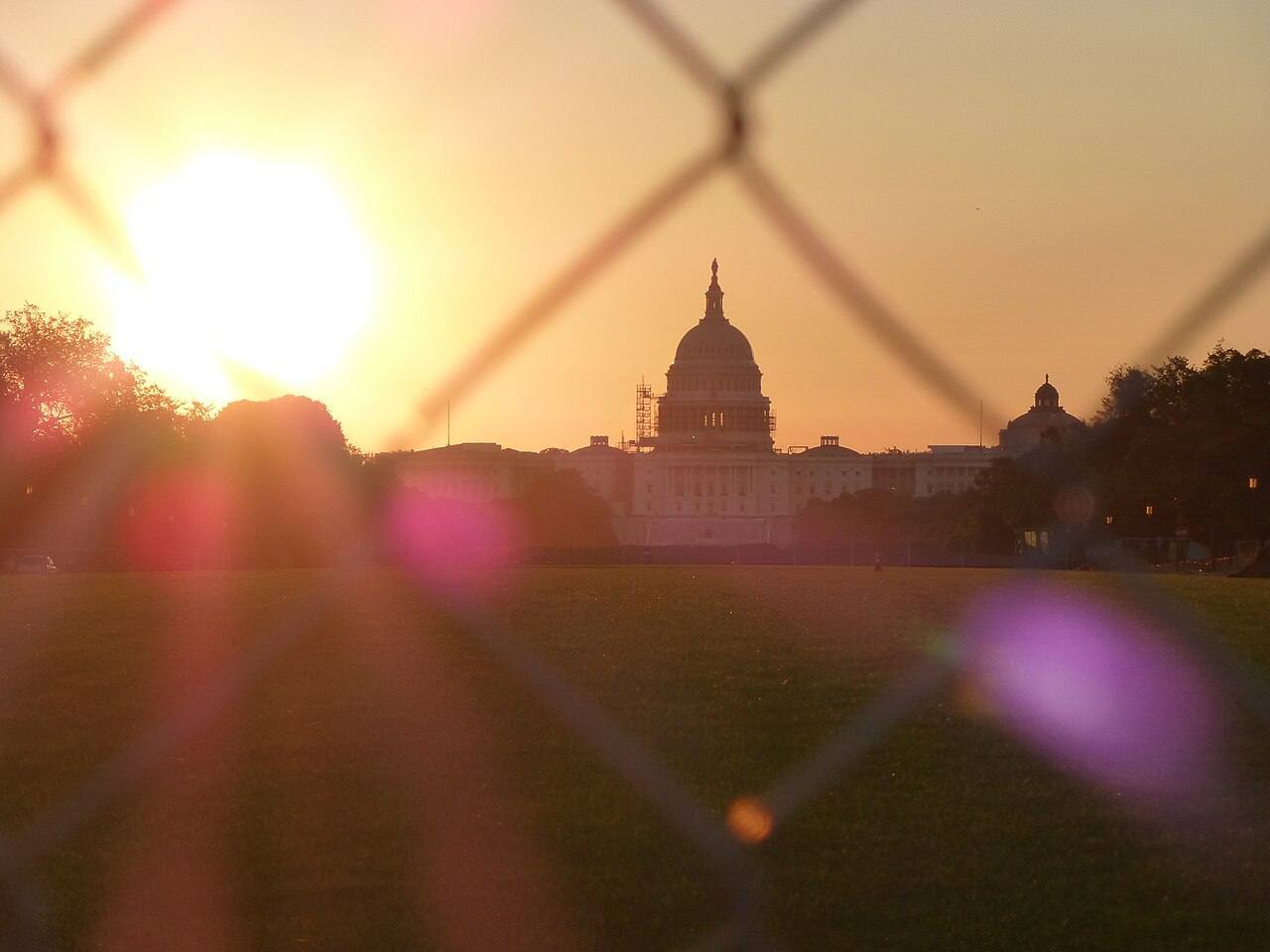
The Ritual of Oversight
The oversight hearing, often touted as a vital mechanism for accountability, has devolved into a predictable spectacle. On one side, Democrats wield the hearing like a sword, eager to expose any misstep or failure by the opposition. On the other, Republicans often respond with deflection, turning the spotlight back on issues that they argue are more pressing. The result is a circus that prioritizes political theater over genuine oversight.
As both sides engage in their well-rehearsed routines, the real issues at hand are frequently overshadowed. Instead of focusing on substantive matters, we are treated to grandstanding and sound bites crafted to energize their respective bases. This dynamic leaves the public frustrated, as the core objectives of oversight - transparency, accountability, and the pursuit of truth - are often lost in the noise.

"Oversight hearings have become less about accountability and more about scoring political points."
Partisan Excesses
The excesses of both the left and the right are glaringly apparent in these hearings. For Democrats, the temptation to launch into emotional appeals can overshadow the facts. While it is crucial to highlight injustices, the focus can shift toward theatrics rather than constructive solutions. The appeal to emotion, while effective in rallying supporters, risks alienating moderates who yearn for reasoned discourse.
Conversely, the Republican response often involves a defensive posture, where they seek to undermine the credibility of the hearing itself. This can lead to a dismissive attitude toward legitimate concerns raised by the opposition. Rather than engaging in meaningful dialogue, the GOP tends to frame the hearings as politically motivated witch hunts, thereby stifling the potential for bipartisan cooperation.
The Consequences of Inaction
This ritualistic approach to oversight has serious consequences. With an electorate that increasingly feels disenfranchised, the lack of authentic engagement in these hearings only deepens the divide. Citizens are left feeling that their concerns are not being heard, and that their government is more interested in posturing than in addressing the issues that matter most to them.
Moreover, the failure to conduct rigorous oversight can lead to larger systemic issues going unaddressed. From regulatory failures to financial misconduct, the very purpose of these hearings - to ensure accountability - becomes compromised. If both sides continue to prioritize their political agendas over the welfare of the public, the damage to trust in government institutions will only grow.
"The lack of authentic engagement deepens the divide between the government and its citizens."
Looking for Solutions
So, what can be done to restore the integrity of oversight hearings? First and foremost, both parties must commit to setting aside their political jerseys for the sake of the American people. This will require a willingness to engage in honest discussions that prioritize facts over feelings.
Additionally, there should be a concerted effort to reform the oversight process itself. Establishing nonpartisan oversight committees could serve to limit the influence of party politics, allowing for a more objective examination of issues at hand. By doing so, we could foster an environment where constructive criticism is welcomed, and the pursuit of truth takes precedence over partisan loyalty.
A Call for Accountability
As we navigate this tumultuous political landscape, it is imperative for both parties to recognize that the integrity of our democratic processes relies on accountability. Oversight hearings should not be mere ceremonial exercises but rather opportunities for genuine dialogue and reform.
In a time when political polarization is at an all-time high, the onus is on our leaders to rise above the fray and recommit to the principles of transparency and accountability. If they continue down the path of partisan excess, they risk further alienating an already disillusioned public, ultimately undermining the very foundation of our democracy.
✦ ✦ ✦