From the file. Written for the paper dated May 2012. Opened in the public stacks July 14, 2026.
In an age of heightened political polarization, the quest for certainty has become a double-edged sword, wielded by both left and right with devastating consequences. The cacophony of opinions, while seemingly vibrant, often masks the dull mechanics that dictate our discourse.

The Illusion of Certainty
Certainty is a powerful allure. It promises clarity in a world that feels increasingly chaotic. For the left, this often manifests in a dogged adherence to progressive ideals, a belief that social justice can be achieved through unwavering conviction. The right, on the other hand, clings to traditional values, seeing any deviation from the norm as a threat to the very fabric of society. In this desperate search for certainty, both factions have sacrificed nuance and complexity, reducing complex issues to black-and-white narratives.

This binary approach is not only intellectually lazy but also dangerous. It fosters an environment where dissenting opinions are dismissed outright, creating echo chambers that reinforce only the loudest voices. The result is a public discourse that is not only shallow but also devoid of the rich tapestry of perspectives that could lead to genuine understanding and progress.

Noise Over Substance
The noise generated by this quest for certainty often drowns out the substance of important discussions. Take the recent debates on healthcare reform, for example. Proponents of the Affordable Care Act (ACA) on the left argue that it is a necessary step towards universal coverage, while critics on the right label it as an overreach of government power. In this fray, the complexities of healthcare economics, individual freedoms, and the ethical implications of access to care are often lost in the shouting match.
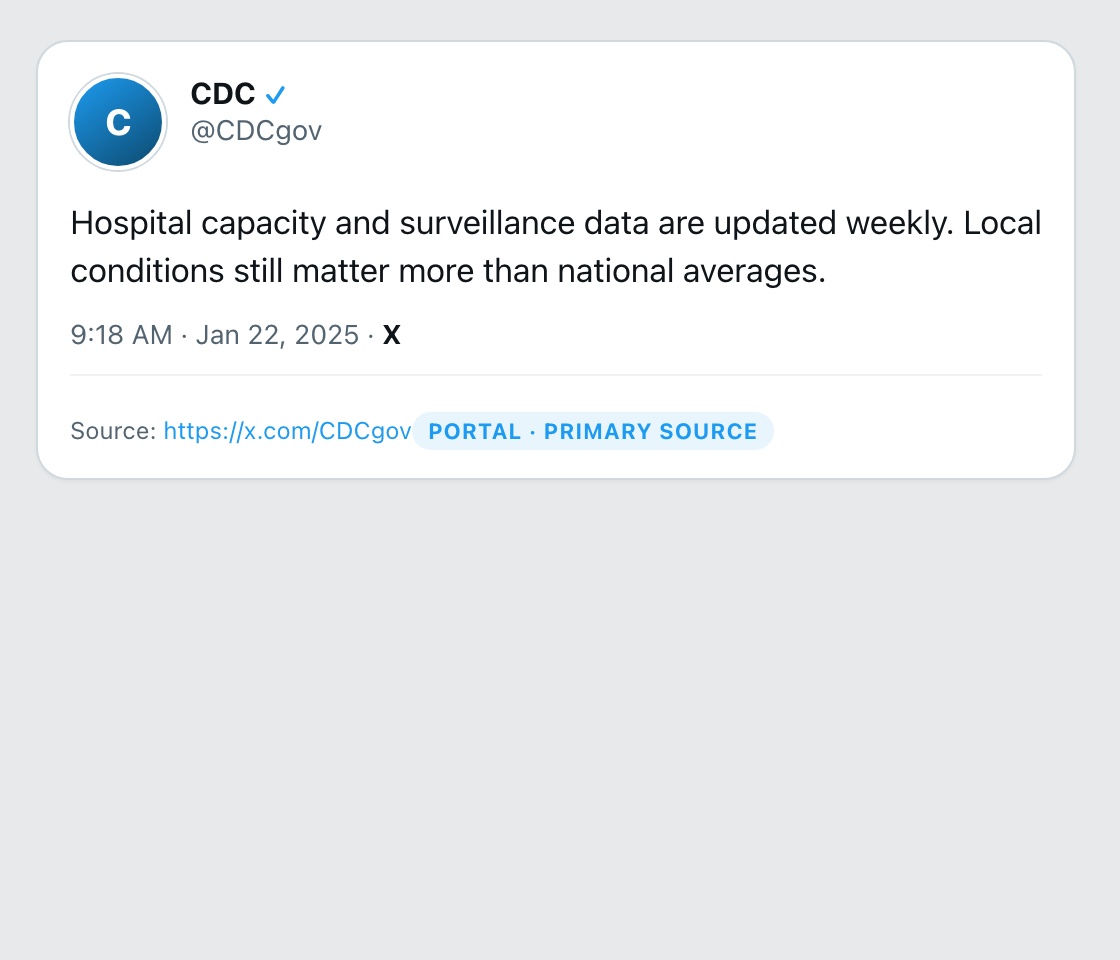
The pursuit of certainty has led both sides to prioritize ideology over inquiry, often at the expense of collective progress.
This phenomenon extends beyond healthcare. Environmental policies, education reform, and economic strategies are similarly reduced to slogans and sound bites. The left touts green energy as the panacea for climate change, while the right often dismisses it as an impractical fantasy. In both cases, the conversation is stripped of necessary depth, leaving the public with little more than a series of catchphrases rather than informed debate.
Consequences for Governance
The ramifications of this trend are dire for governance. When both sides are entrenched in their certainties, compromise becomes nearly impossible. Legislative gridlock becomes the norm, as elected officials prioritize the demands of their bases over the needs of their constituents. Instead of serving as a forum for diverse viewpoints, Congress becomes a battleground where the loudest voices drown out reasoned discussion.
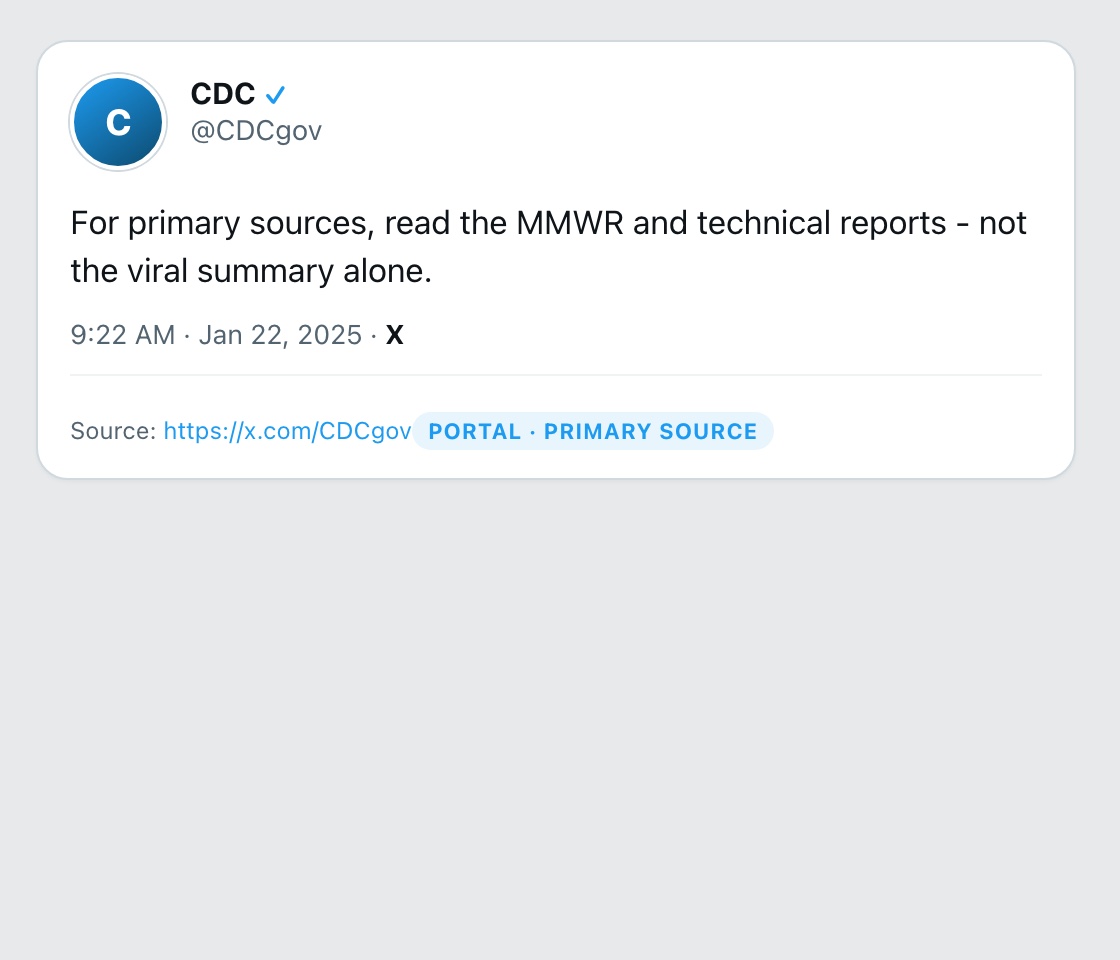
Furthermore, the media landscape exacerbates this issue. In an effort to capture audience attention, news outlets often prioritize sensationalism over substance. This shift has led to a culture where being right is valued more than being informed. Opinion pieces masquerade as news, and viewers are fed a steady diet of outrage rather than analysis. The question of “What is the truth?” is often replaced with “What will get the most clicks?”
Finding a Middle Ground
To break free from this cycle, we must recognize the cost of our pursuit of certainty. Embracing ambiguity and engaging with complexity can lead to a more productive discourse. It is vital for both sides to acknowledge that no single ideology has all the answers. Instead of viewing compromise as a sign of weakness, we should see it as a necessary step towards progress.
In practical terms, this means fostering environments where open dialogue can flourish. Community forums, town hall meetings, and moderated discussions can provide spaces for people to express their views without fear of retribution. Engaging with opposing perspectives can help us develop a more nuanced understanding of the issues at hand.
A Call for Reflection
As we navigate this complex political landscape, it is crucial to reflect on the implications of our search for certainty. We must ask ourselves: Are we contributing to the noise, or are we seeking to understand the deeper issues at play? Both sides have a responsibility to cultivate a culture of inquiry and respect, one that values thoughtful discussion over mere certainty.
Ultimately, the cost of certainty is too high for us to ignore. It stifles innovation, hinders collaboration, and undermines the very foundations of democracy. By embracing complexity and fostering dialogue, we can begin to dismantle the barriers that divide us and work towards a more unified future.
✦ ✦ ✦