From the file. Written for the paper dated May 2012. Opened in the public stacks July 14, 2026.
In an era dominated by sound bites and sensational headlines, a return to primary sources reveals the often mundane mechanisms that give rise to political noise.

The Craft of Discourse
As we navigate the tumultuous waters of the 2012 election season, it becomes increasingly clear that our political discourse is being shaped more by the sensational than the substantive. News cycles are driven by flashy headlines and emotional appeals, while the underlying details are often lost in the shuffle. The importance of reading primary sources cannot be overstated; they provide a window into the actual words and intentions of politicians, rather than the interpretations filtered through the lenses of pundits.

Yet, as vital as they are, primary sources can be remarkably dry and unexciting. They lack the drama of a well-crafted news story. For example, a senator's speech may be filled with statistics and policy proposals, but it often fails to evoke the same visceral response as a cleverly edited video clip. This dissonance between the excitement of the news media and the tedium of primary documents highlights a critical challenge in our democratic process: the need for informed citizens who can sift through the noise and understand the substance behind it.

"Informed citizens must sift through the noise to grasp the substance behind political discourse."
Left and Right: A Tale of Two Extremes
The current political climate is rife with excesses on both sides of the aisle. On the left, there is a tendency to embrace outrage as a form of activism. While advocating for social justice is essential, the hyperbolic rhetoric employed often overshadows the nuanced realities of policy debates. For instance, discussions around healthcare reform are frequently reduced to emotional pleas rather than substantive arguments based on data and real-world implications. The danger here is twofold: it alienates moderate voices and creates an echo chamber that stifles meaningful debate.
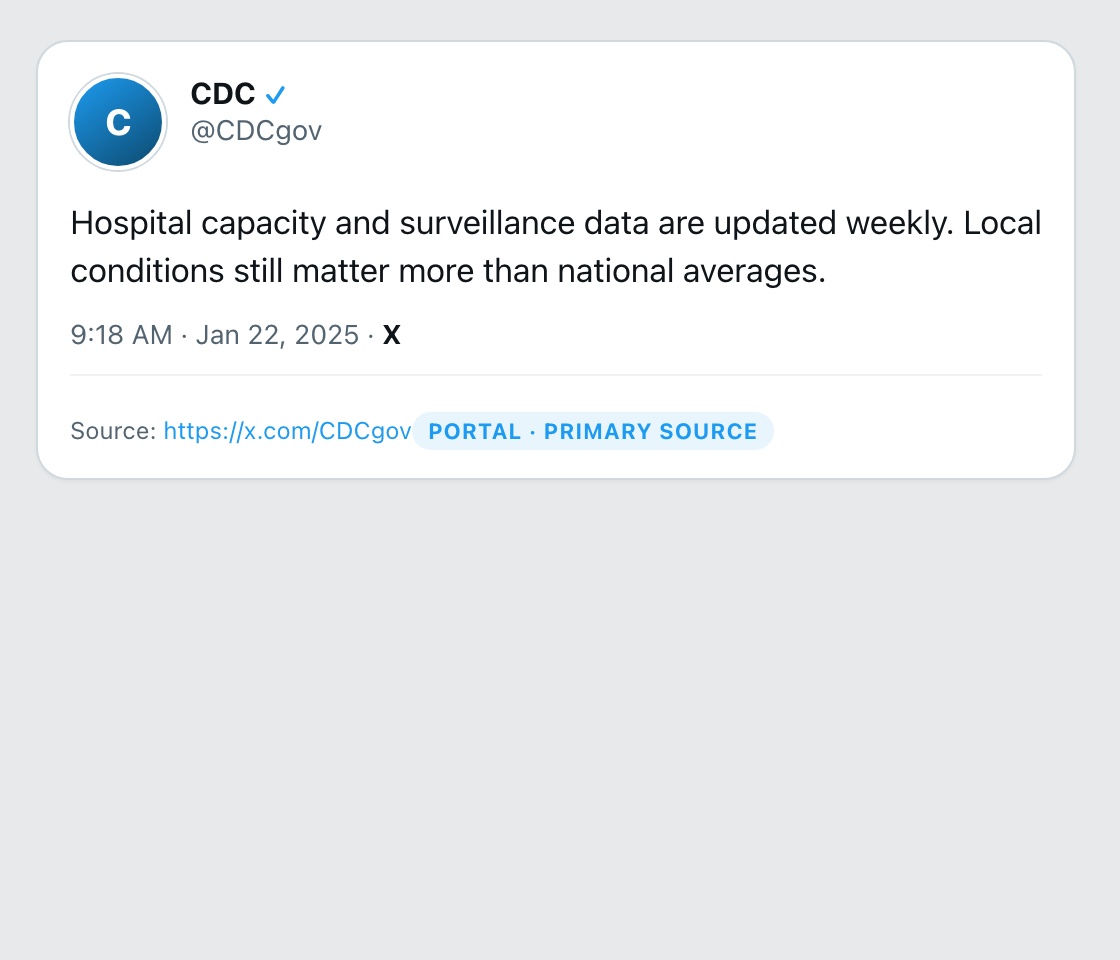
Conversely, the right is equally guilty of oversimplification, often resorting to fearmongering to galvanize support. The narrative that government intervention inevitably leads to tyranny is not only reductive but also disengages citizens from understanding the complexities of governance. When primary sources, such as legislative proposals or economic reports, are disregarded in favor of sensational claims, the result is a populace that is ill-equipped to engage in constructive dialogue about the issues that matter.
The Case for Boring
So why should we embrace the "boring" nature of primary sources? The answer lies in their ability to ground our political conversations in reality. When we engage with the actual texts - be they legislative bills, speeches, or policy papers - we arm ourselves with the knowledge necessary to challenge the narratives presented by partisan commentators. This is not to say that primary sources are without bias; they certainly reflect the perspectives of their authors. However, they provide a foundation upon which citizens can build informed opinions.
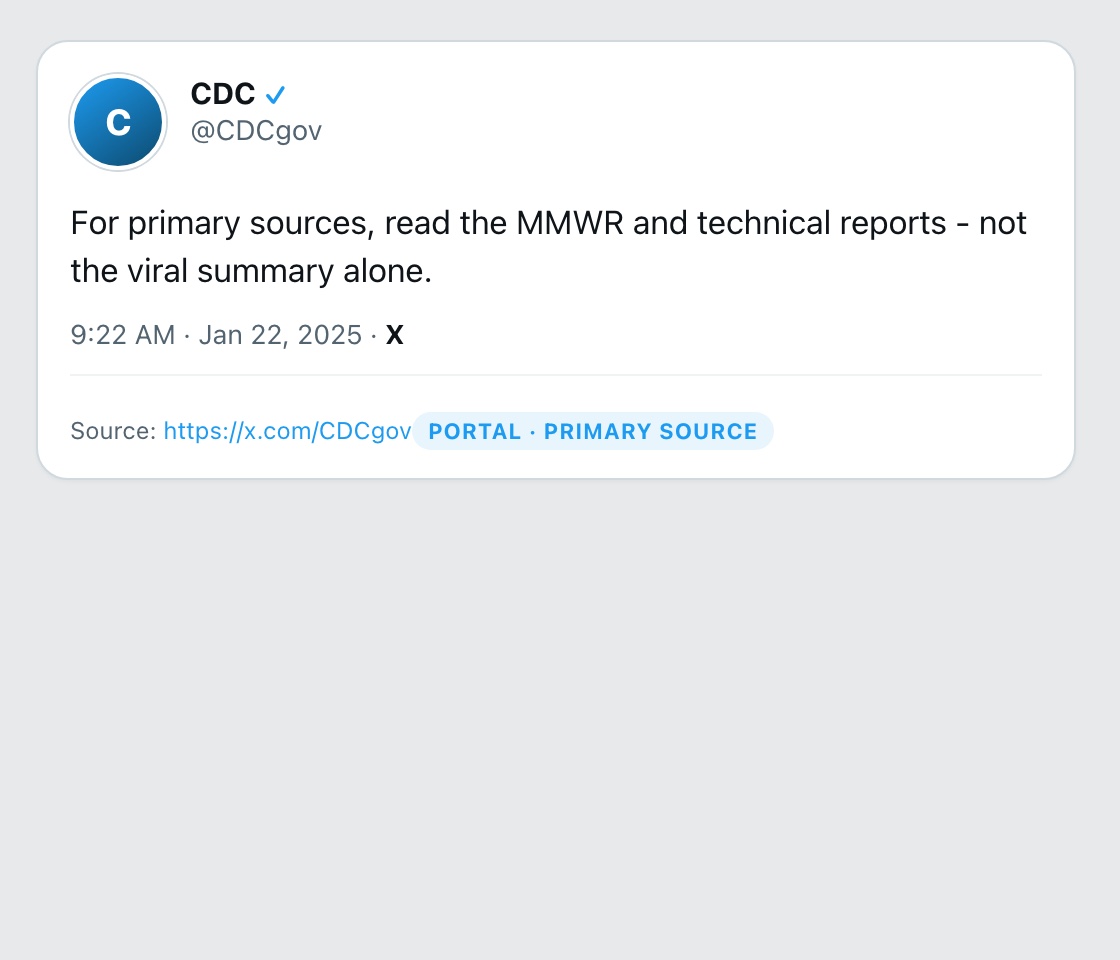
Moreover, fostering a culture that values primary source literacy can help mitigate the polarization that characterizes our current political landscape. Imagine if more citizens took the time to read and analyze the documents underpinning policy debates. We might witness a shift away from tribalism toward a more nuanced understanding of differing viewpoints. The engagement would not only enrich the discourse but also elevate the quality of our democracy.
A Call to Action
As we move deeper into this election cycle, it is imperative that we challenge ourselves to seek out and engage with primary sources. Whether it’s a legislative bill, a political speech, or a policy paper, these documents offer a wealth of information that can clarify our understanding of the issues at hand. Instead of getting swept away by the latest viral video or headline, let’s take a moment to dive into the often-unexciting details that underlie these narratives.
In this age of information overload, the simplest act of engaging with primary sources can serve as a powerful antidote to the cacophony of political noise. As citizens, we owe it to ourselves and our democracy to be informed, and that begins with looking beyond the sensational and embracing the substance.
✦ ✦ ✦