From the file. Written for the paper dated May 2012. Opened in the public stacks July 14, 2026.
In the cacophony of political discourse, oversight hearings often emerge as a dull yet essential mechanism that keeps the gears of democracy turning. While the left and right may shout over one another, the substance of these hearings reveals the often mundane, yet critical, work that underpins our governance.
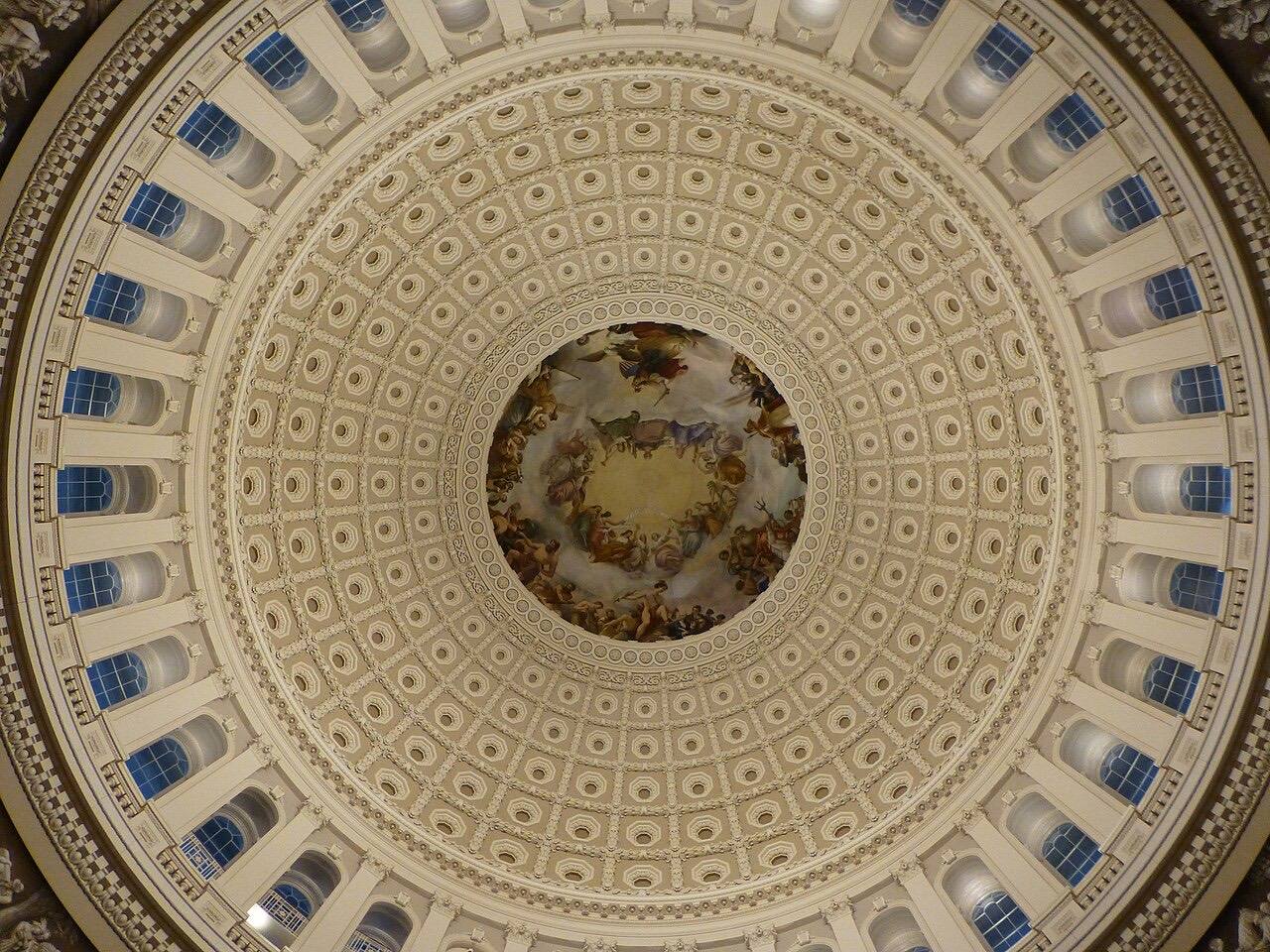
Dissecting the Drama
Oversight hearings, typically characterized by their unexciting nature, serve a vital purpose: ensuring that government agencies and officials are held accountable for their actions. Yet, in an era dominated by hyperbole and sensationalism, these hearings rarely get the attention they deserve. Instead, they are overshadowed by the noisy theatrics of partisan bickering.

On one side of the aisle, the left often accuses their counterparts of obstructing progress, labeling them as zealots who prioritize political gain over the welfare of the nation. On the other hand, the right frequently portrays the left as out-of-touch elitists, blind to the concerns of everyday Americans. This back-and-forth creates an environment where the actual work of oversight is relegated to the background.
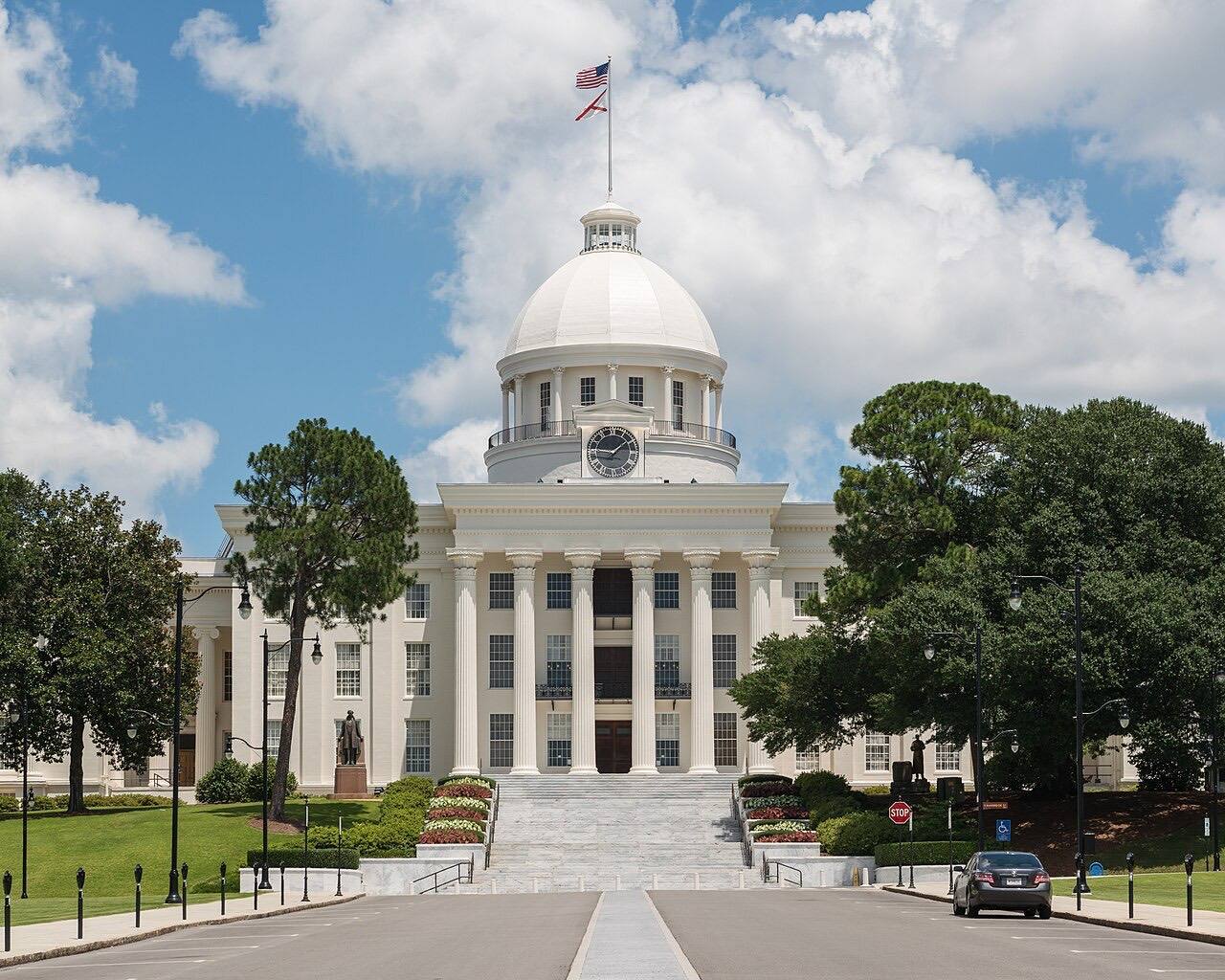
"In the midst of all the noise, the true purpose of oversight is often lost."
The Mechanics of Oversight
At its core, oversight is a mechanism designed to inspect, monitor, and evaluate government programs and policies. This process not only identifies inefficiencies but also uncovers instances of misconduct. However, the reality of oversight hearings is often far less glamorous than the debate surrounding them suggests.
During these hearings, lawmakers ask pointed questions, scrutinizing budgets and decisions made by various agencies. Yet, the spectacle often devolves into political theater, where grandstanding takes precedence over genuine inquiry. The left may criticize the right for failing to address pressing issues, while the right may counter with accusations of fiscal irresponsibility aimed at their opponents. Both sides risk neglecting the very oversight they claim to champion.
The Public's Perception
The public’s perception of oversight hearings is largely shaped by the media’s portrayal of these events. In a landscape where soundbites reign, the nuanced discussions that take place in these hearings often go unnoticed. As a result, the outcome of oversight can seem irrelevant to the average citizen, who is bombarded with sensational headlines and opinion pieces that distort the reality of the situation.
Take, for instance, the recent hearing on government spending. What should have been a critical examination of budgetary practices turned into a battleground for partisan attacks, with each side attempting to outdo the other with inflammatory rhetoric. Rather than focusing on the intricacies of financial accountability, the discussion devolved into accusations, creating a narrative that resonates with the extremes of both parties.
What Can Be Done?
To remedy this situation, both sides must recognize the importance of oversight as a tool for constructive governance. It is essential that lawmakers resist the urge to engage in political theater and instead focus on the substance of the issues at hand. The public deserves to hear the facts, not just the sensationalized versions crafted for political gain.
Moreover, media outlets must take responsibility for their role in shaping public perception. By prioritizing thorough reporting over sensationalism, journalists can help illuminate the significance of oversight and its impact on government accountability. This shift could foster a more informed electorate, one that understands the importance of these hearings beyond the partisan squabbles.
A Call for Engagement
Ultimately, the success of oversight hearings depends on the willingness of lawmakers, the media, and the public to engage with them constructively. It is time to move beyond the sensationalism and embrace the mundane yet essential work of oversight. By doing so, we can ensure that our government remains accountable and that the voices of ordinary citizens are heard above the din of political noise.
✦ ✦ ✦