From the file. Written for the paper dated May 2012. Opened in the public stacks July 14, 2026.
In an age where every news cycle seems dictated by the loudest voices in the room, the mechanics of outrage have become a product in themselves, commodified and marketed to the masses.

The Outrage Economy
Today, both the political left and right are guilty of cultivating an environment where outrage is not only expected but encouraged. The cacophony of competing narratives has drowned out reasoned discourse, leading to a society where the most extreme viewpoints dominate. Whether it’s a viral video or a provocative article, the louder the message, the more it sells.

On one end of the spectrum, we have the left, often quick to label anything that doesn’t fit their narrative as “hate speech” or “bigotry.” This has created a culture where caution is thrown to the wind, and anyone not adhering to the strict codes of political correctness is subjected to incessant scrutiny. Ironically, while they champion inclusivity, this approach often alienates those who feel their voices are being stifled. The left’s approach can turn valid criticisms into a form of social capital, feeding the beast of outrage that thrives on division.
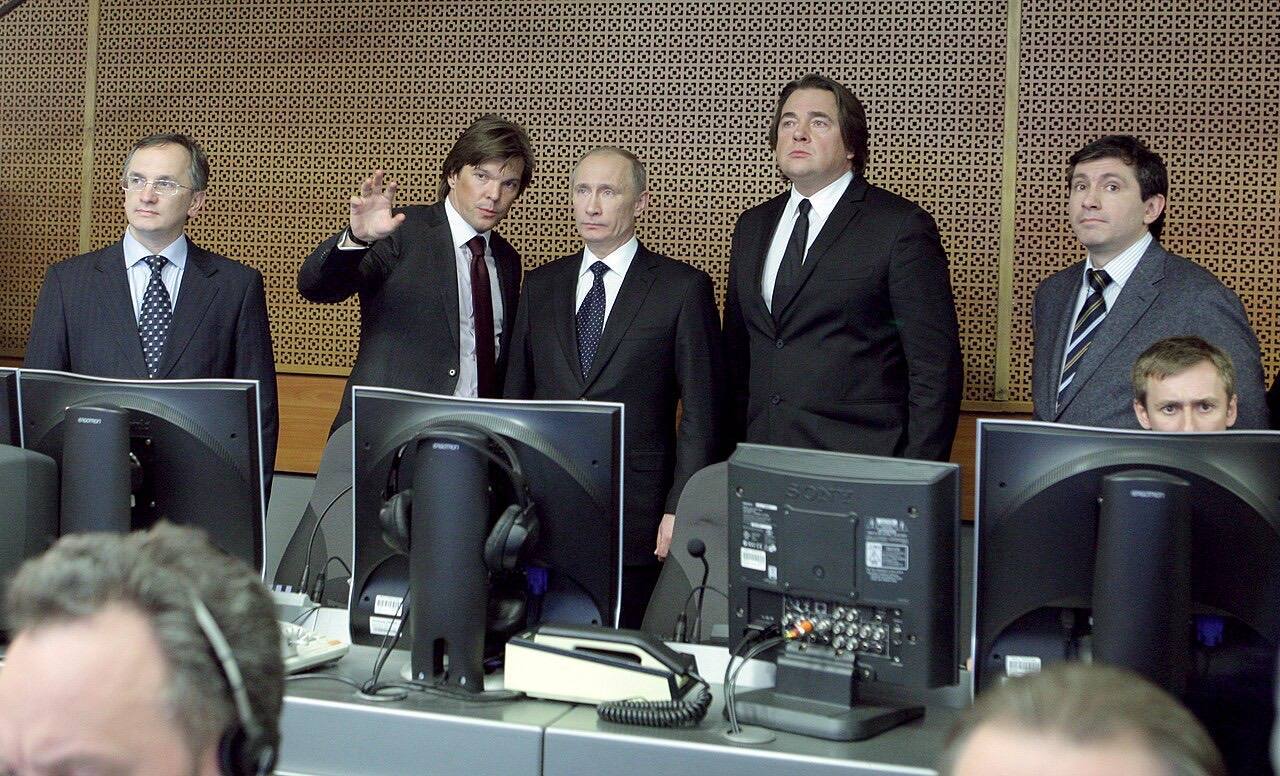
Conversely, the right has grown adept at harnessing outrage as a rallying cry, often employing sensationalism to galvanize their base. Whether it’s a manufactured crisis or an exaggerated interpretation of policy changes, the right has mastered the art of turning discontent into action. This not only inflates their narratives but also creates a feedback loop where the most sensational stories are amplified, drowning out more moderate or nuanced positions. The result is a political landscape where moderation is viewed with suspicion, and the loudest voices reign supreme.
Creating the Outrage
At its core, the phenomenon of outrage as a product is driven by media mechanisms that prioritize clicks and views over substance. Media outlets, both traditional and online, have discovered that sensational headlines and polarizing topics draw audiences in like moths to a flame. This has led to a perpetual cycle of outrage, where both sides feel compelled to escalate their messages to compete for attention.
Content creators, commentators, and even politicians have learned that to remain relevant, they must perpetuate outrage. The more outrageous the claim, the more likely it is to be shared, retweeted, and discussed in the public arena. This creates an environment where the lines between fact and opinion blur, and the truth often takes a backseat to a compelling narrative.
“The loudest voices in the room often drown out reasoned discourse.”
The Cost of Outrage
The consequences of this outrage-driven economy are significant. Individuals find themselves polarized, retreating further into echo chambers where only their views are validated. This not only stifles productive conversation but also breeds animosity between groups, reinforcing division rather than encouraging understanding. The lack of a middle ground has made civil discourse nearly impossible, as individuals become more concerned with winning arguments than seeking common ground.
Moreover, the emotional toll on society cannot be underestimated. As people become desensitized to constant outrage, genuine issues are often overshadowed by the noise. Important discussions about policy, ethics, and societal challenges get lost in an avalanche of trivial or sensationalized content. As a result, we risk becoming a society that values outrage over empathy, further entrenching divisions rather than fostering connections.
Finding Balance
The challenge moving forward lies in finding a way to engage in meaningful dialogue without succumbing to the allure of outrage. Both sides must recognize the damaging effects of their tactics and strive for a more balanced approach to discourse. This requires a collective effort to prioritize understanding over sensationalism and to seek out voices that promote dialogue rather than division.
Consumers of media also have a critical role to play. By choosing to engage with content that promotes thoughtful discussion rather than outrage, we can begin to shift the narrative. Supporting media that prioritizes depth and substance over sensationalism can help cultivate a healthier public discourse.
Conclusion
In a world where outrage has become a product, it is up to each individual to challenge this norm. By fostering an environment that values dialogue, understanding, and reasoned debate, we can create a political landscape that promotes unity rather than division. It is time to turn down the volume on outrage and listen to the quieter voices advocating for change.
✦ ✦ ✦