From the file. Written for the paper dated May 2012. Opened in the public stacks July 14, 2026.
As the global climate debate heats up, often overshadowed by impassioned rhetoric, the underlying science of climate measurement remains a crucial yet underappreciated aspect of the conversation.

The Importance of Precision in Climate Data
In recent years, discussions surrounding climate change have been dominated by polarized viewpoints, leading to an often chaotic discourse. On one side, environmental activists project the direst consequences of climate inaction, while on the other, skeptics downplay the urgency, citing uncertainty in climate models. Yet, the reality is that the science of climate measurement is neither as sensationalized nor as simplistic as either group might suggest.

At the core of climate science lies a commitment to data collection and analysis that is both methodical and systematic. This process, while seemingly mundane, is crucial for understanding long-term climate trends. Scientists utilize a variety of tools, from satellite observations to ground-based weather stations, to gather data on temperature, precipitation, and atmospheric composition. Each instrument serves a specific purpose, contributing to a comprehensive picture of our planet's climate.
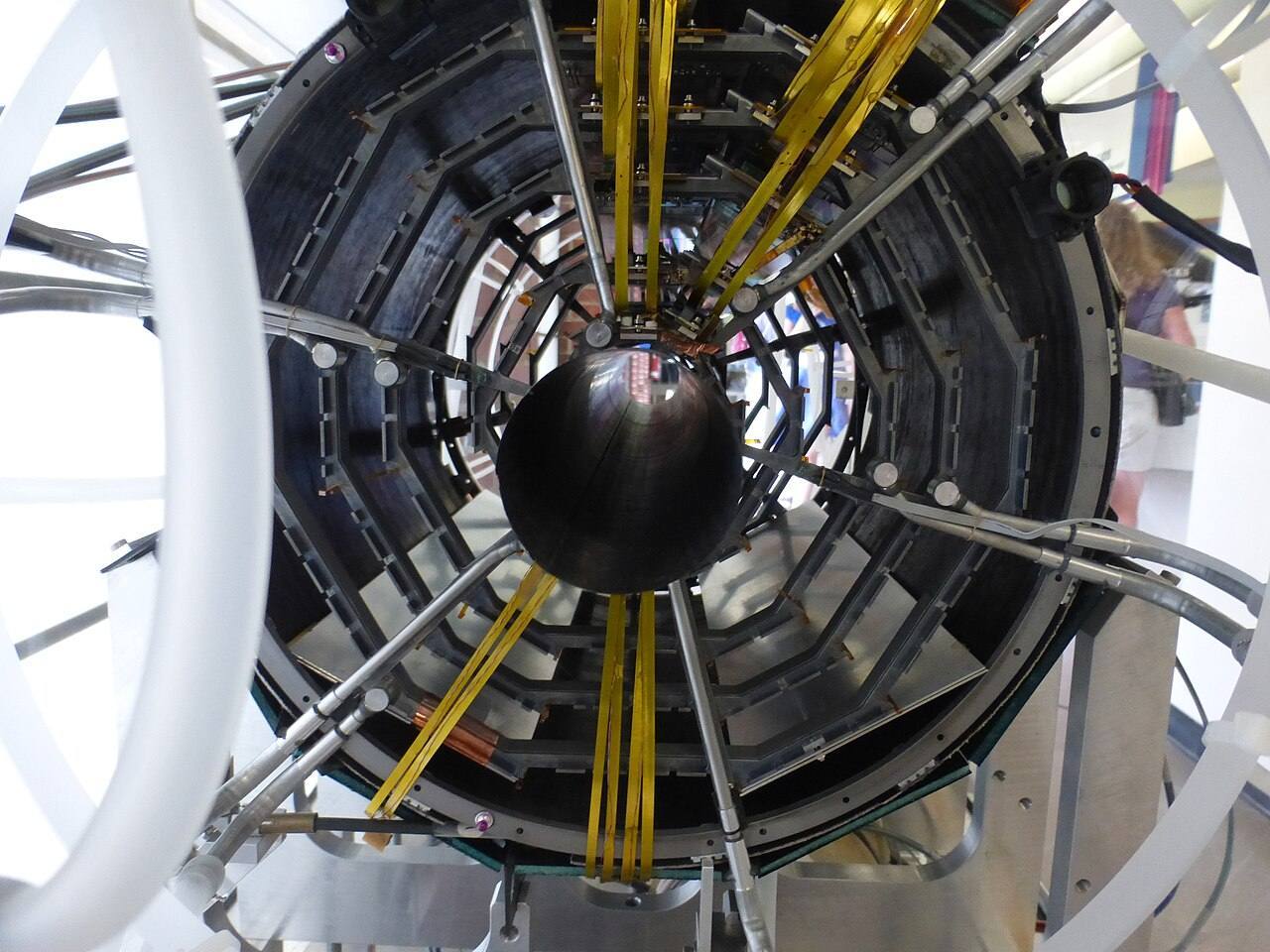
Understanding the Tools of Measurement
One of the primary instruments in climate measurement is the thermometer. While it may seem trivial, accurate temperature readings are foundational. To ensure precision, scientists deploy calibrated thermometers in controlled environments. The data collected over years from these instruments forms the backbone of climate records, allowing researchers to discern patterns and anomalies that inform our understanding of climate dynamics.

Similarly, satellite technology has revolutionized the way we observe our planet. Satellites equipped with advanced sensors measure various atmospheric parameters, such as carbon dioxide levels and sea surface temperatures, providing a broad view of climate variables across the globe. These measurements help to fill in gaps left by ground-based data and contribute to a more holistic understanding of climate change.
"The science of climate measurement is neither as sensationalized nor as simplistic as either group might suggest."
Addressing the Noise in Climate Discourse
Despite the rigorous methodologies underlying climate measurement, the dialogue surrounding climate issues often devolves into sensationalism and misrepresentation. Activists may emphasize worst-case scenarios without fully acknowledging the complexity of climate systems, while skeptics may dismiss scientific findings as mere conjecture. This dichotomy creates noise that obscures the fundamental truths about our changing climate.

The challenge lies in balancing urgency with accuracy. Climate scientists emphasize the need for immediate action, yet they also stress the importance of not jumping to conclusions based on preliminary data. This tension can lead to frustration on both sides. Activists argue that any delay is unacceptable, while skeptics point to uncertainties as justification for inaction.
Building Consensus Through Education
To bridge this divide, education plays a pivotal role. Clear, accessible explanations of climate science can help demystify the data and foster a more informed public discourse. For instance, understanding the difference between weather and climate is essential. Weather refers to short-term atmospheric conditions, while climate denotes long-term trends. This distinction is often lost in the fray, fueling misconceptions and further entrenching polarized views.
Moreover, scientists must engage with the public and policymakers to communicate their findings effectively. By articulating the significance of robust climate data and the methodologies behind it, they can demystify the science and promote a more nuanced understanding of climate change. This engagement would encourage collaborative approaches to addressing climate issues, rather than perpetuating divisive narratives.
Conclusion: A Call for Rational Discourse
As we continue to grapple with the implications of climate change, it is imperative to recognize that the science behind climate measurement is a multifaceted endeavor that requires careful attention and critical analysis. Both activists and skeptics must move beyond sensationalism and engage with the data itself, fostering a rational dialogue that prioritizes facts over fear.
Ultimately, a clearer understanding of the mechanisms behind climate measurement can lead to more effective strategies for addressing climate change. As the stakes grow higher, we must strive to cut through the noise and focus on the boring yet essential work of data collection and analysis. It is through this lens that we can begin to navigate the complex and often contentious landscape of climate discourse.
✦ ✦ ✦