From the file. Written for the paper dated April 2012. Opened in the public stacks July 14, 2026.
In an era of polarized politics, reading primary sources has never been more critical. Yet, many seem more inclined to wear their ideological team jerseys than engage with the raw evidence that shapes our understanding of history and policy.

Evidence Over Identity
As the presidential primaries heat up, we find ourselves inundated with opinions, talking points, and sound bites, often divorced from the original sources that give context to the issues at hand. In this climate, it is essential to prioritize evidence before identity, to strip away the layers of preconceived notions that cloud our judgment.
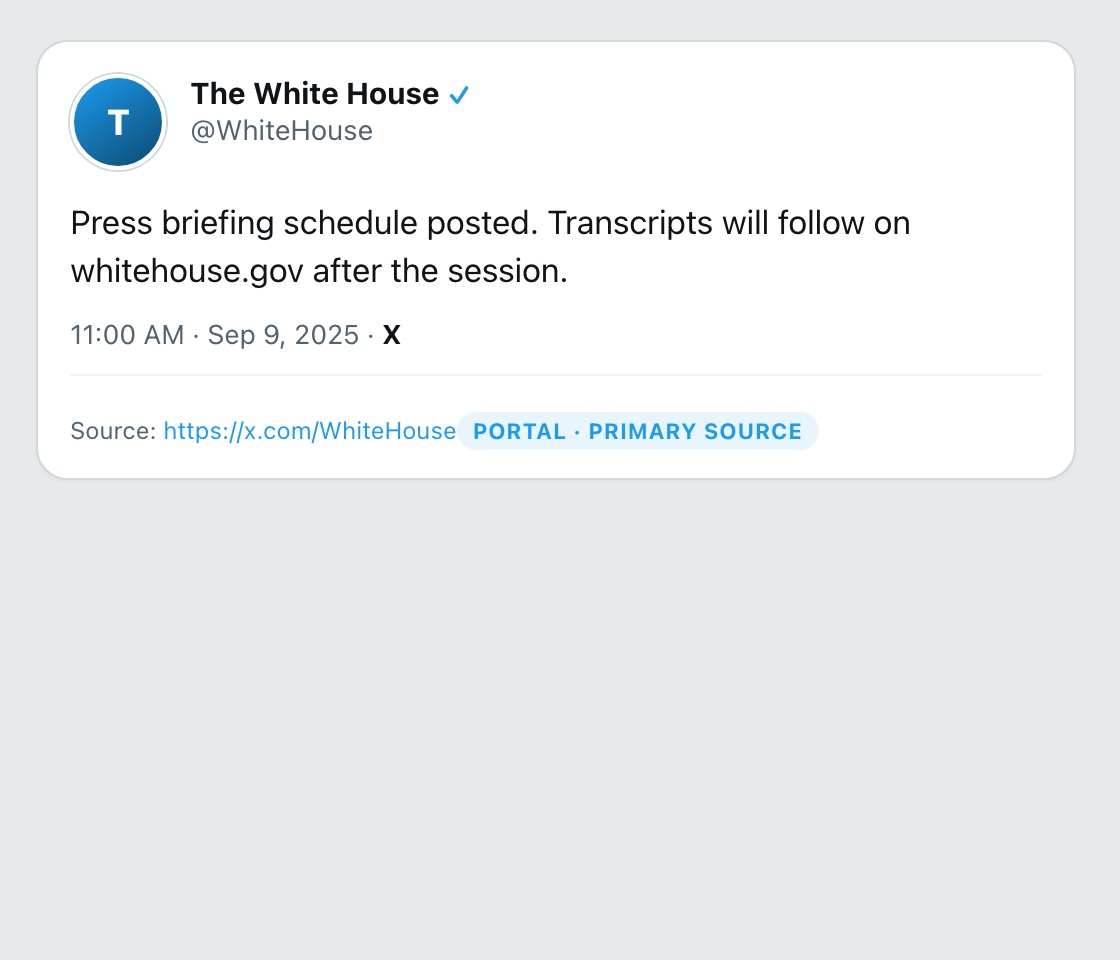
Both the left and right are guilty of this tendency to prioritize allegiance over understanding. Political partisanship has reached a fever pitch, with each side quick to dismiss the other’s arguments as mere propaganda. This knee-jerk reaction stifles meaningful discourse and hampers our collective ability to make informed decisions.

"Political partisanship has reached a fever pitch, with each side quick to dismiss the other’s arguments as mere propaganda."
The Left's Overreach
On the left, there is a palpable eagerness to champion social justice causes, which can lead to a form of dogmatism that overlooks the complexities of the issues at hand. While the intentions behind movements for equality and fairness are commendable, the rush to label opponents as oppressors or bigots often eclipses nuanced conversation. This ideological zeal can alienate potential allies who might be open to dialogue if only the rhetoric were less incendiary.
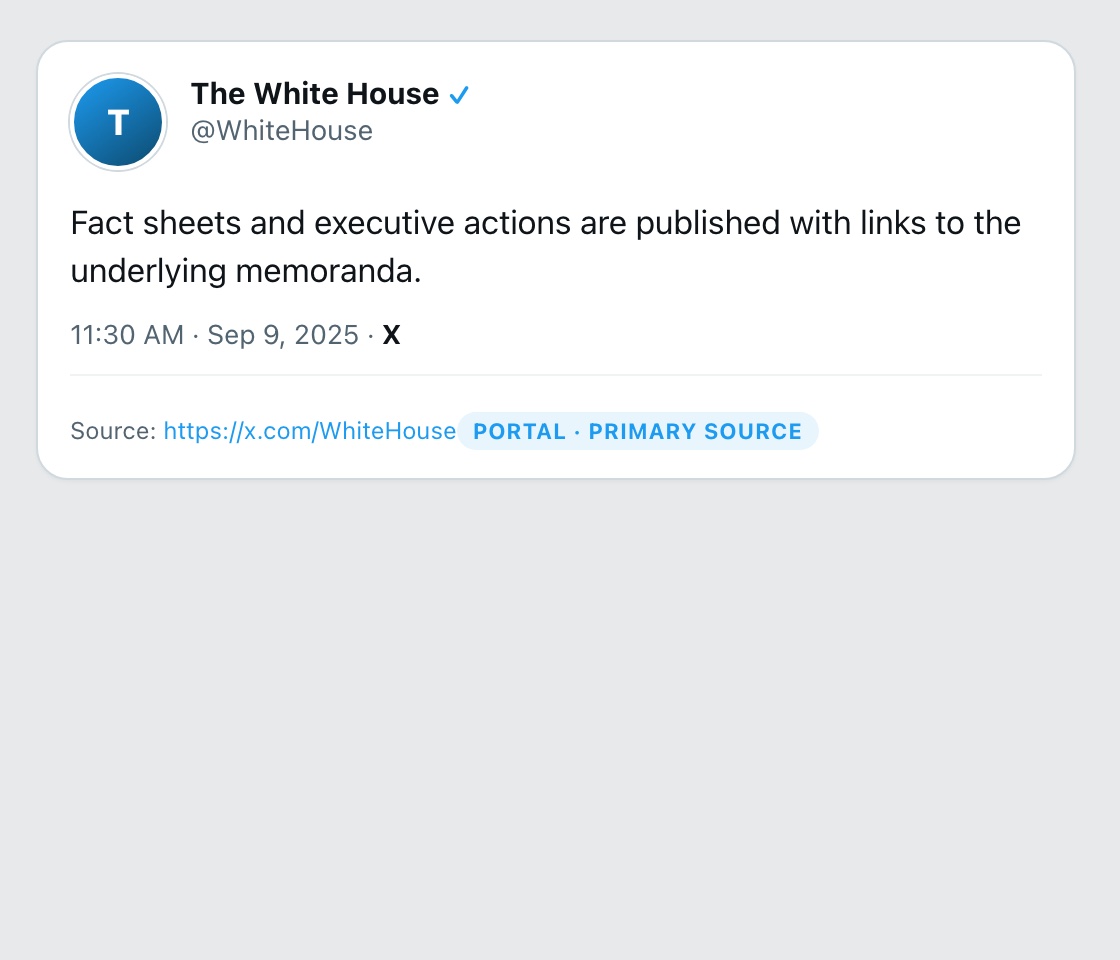
Consider the debates surrounding healthcare reform. Advocates of a single-payer system often frame the discussion in stark terms: either you support universal healthcare, or you are complicit in the suffering of the uninsured. This binary thinking neglects the legitimate concerns of those who fear government overreach and the potential inefficiencies of a centralized system.
The Right's Rhetorical Pitfalls
Conversely, the right often resorts to a dismissive approach towards social programs and government intervention, framing such measures as threats to individual liberty and personal responsibility. This perspective, while rooted in a valid concern for freedom, risks overlooking the real-life impacts of poverty, inequality, and lack of access to healthcare. The simplistic narrative that government solutions are inherently flawed serves to undermine the complexity of the issues that many Americans face daily.

Moreover, this tendency to vilify any form of government intervention can lead to a dangerous neglect of the social safety nets that help vulnerable populations. The consequences of such an ideology can be dire, particularly when it comes to issues like education and public health, where the stakes are incredibly high.
Bridging the Divide
To bridge the growing chasm between these factions, we must return to the practice of engaging with primary sources. These original documents - whether they are policy papers, speeches, or historical texts - provide the foundation upon which our understanding of contemporary issues should be built.
By prioritizing evidence over identity, we can cultivate a political environment where ideas are debated on their merits, rather than dismissed based on preconceived notions. Political discourse should not be a spectator sport, where individuals cheer for their teams instead of engaging critically with the issues that affect their lives.
One practical step towards this goal is the promotion of educational initiatives that emphasize critical thinking and media literacy. Teaching individuals how to analyze primary sources equips them with the tools necessary to discern fact from fiction and engage in informed discussions. This approach fosters a citizenry that values substance over sensationalism.
The Role of the Media
As members of the media, we carry a substantial responsibility in shaping the discourse. It is our duty to present information in a way that encourages readers to think critically and seek out primary sources for themselves. We must resist the temptation to sensationalize or oversimplify complex issues for the sake of clicks or ratings.
In doing so, we can help create a political landscape that values evidence over allegiance, one where individuals are empowered to engage thoughtfully with the ideas that shape their lives. This will not only enrich our democracy but also foster a more informed and engaged electorate.
Conclusion
As we navigate this tumultuous political climate, let us remember that the strength of our democracy lies in our ability to engage with one another - not as members of opposing teams, but as informed citizens. By prioritizing evidence over identity, we can reclaim the narrative and foster a political discourse that is both meaningful and constructive.
✦ ✦ ✦