From the file. Written for the paper dated March 2012. Opened in the public stacks July 14, 2026.
As the debate over steel tariffs heats up, the public claims made by both sides often clash with the reality reflected in economic data.
Understanding the Stakes
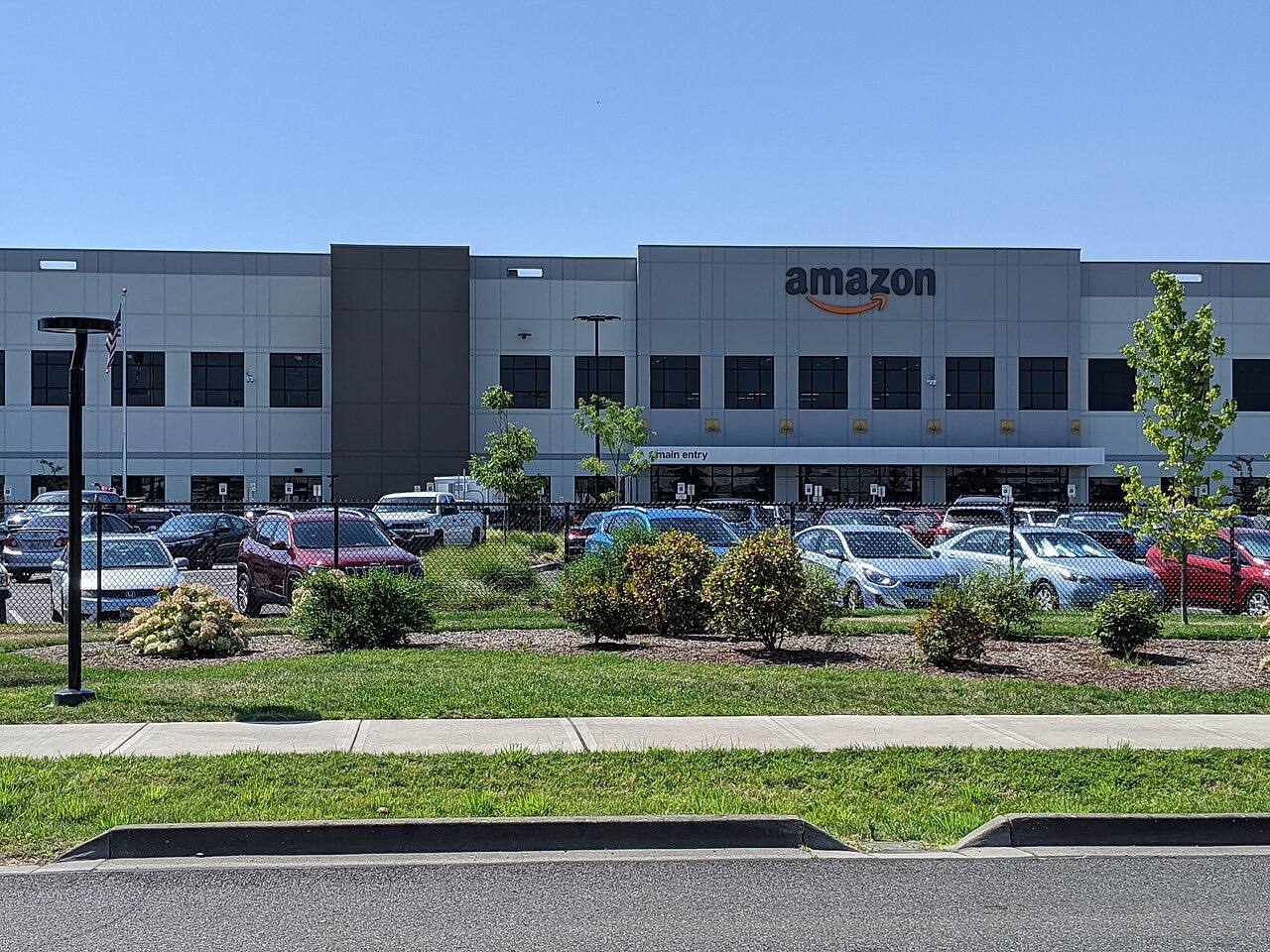
The steel industry is pivotal to the American economy, providing jobs and materials essential for construction, manufacturing, and defense. In recent months, the Obama administration has proposed tariffs on imported steel to protect domestic producers. Proponents argue that these tariffs are necessary to level the playing field against foreign competitors who benefit from unfair trade practices. However, critics warn that such tariffs could lead to higher prices for consumers and retaliatory measures from trading partners.
A Closer Look at Public Claims
Supporters of the tariffs often tout national security and job preservation as key reasons for their implementation. They assert that safeguarding the domestic steel industry is crucial for maintaining a robust manufacturing base. In a recent press briefing, representatives from the United Steelworkers union emphasized that tariffs would help protect thousands of jobs that are at risk due to cheap foreign imports.

"We must ensure that American steelworkers are not left behind while foreign competitors take advantage of our markets," said a union representative.
However, it is essential to examine the broader economic implications of these tariffs. While protecting certain jobs in the steel industry might seem beneficial in the short term, many economists warn that the long-term effects could be detrimental to both consumers and the overall economy.
Counterarguments from the Right
On the opposite side of the spectrum, conservative critics have been vocal about the potential repercussions of imposing steel tariffs. They argue that these measures could hinder economic growth by increasing production costs for industries reliant on steel. This could lead to higher prices for consumers and strain small businesses that operate on thin margins. Furthermore, there is a legitimate fear that imposing tariffs may provoke retaliatory actions from other countries, potentially sparking a trade war that could have far-reaching consequences.
The Reality of Economic Data
While public claims around steel tariffs often focus on job preservation, a closer examination of economic data reveals a more complex picture. According to analysis from various trade organizations, the number of jobs supported by the steel industry is relatively small compared to the broader economy. In fact, for every job protected in the steel sector, there may be several jobs lost in industries reliant on steel, such as automotive and construction.
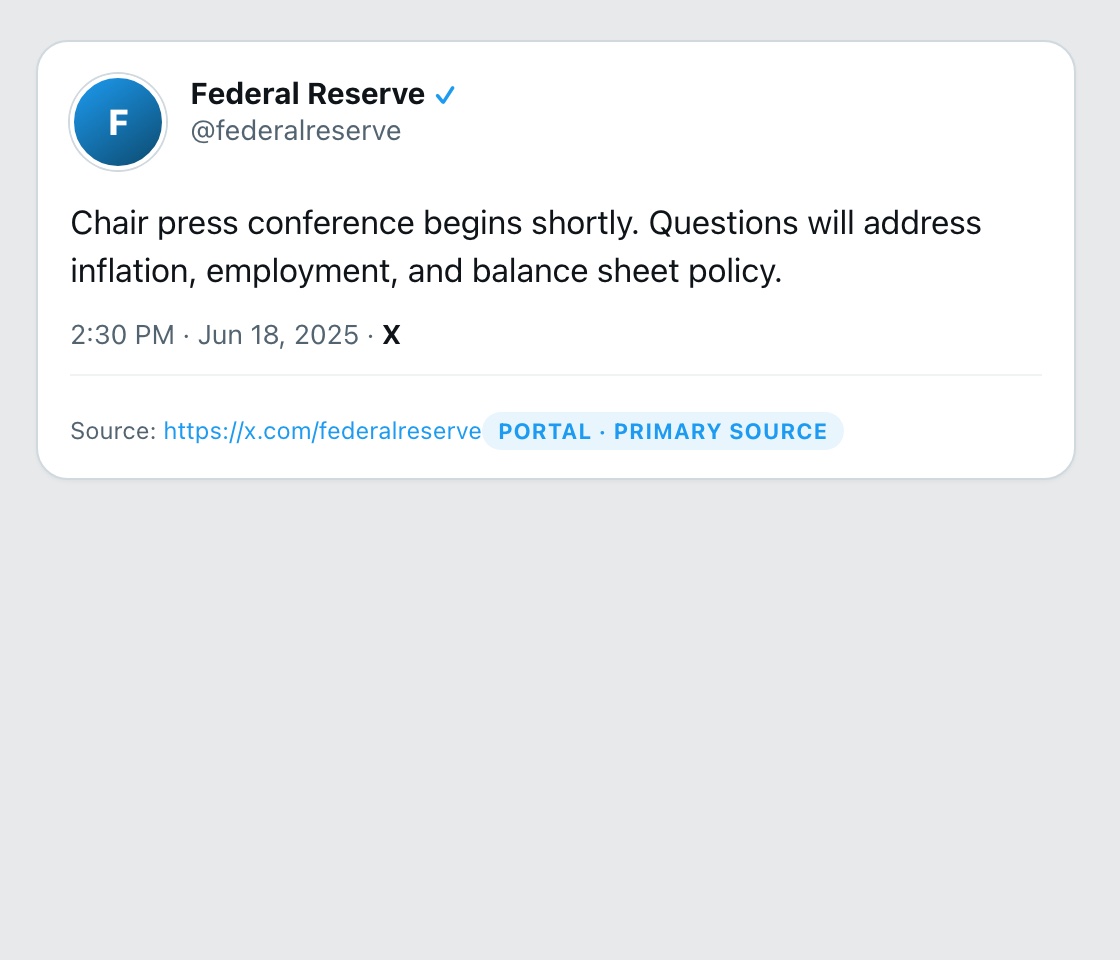
Moreover, the potential increase in steel prices could lead to inflationary pressures. The Federal Reserve has been cautious about rising prices, and any significant increase in steel costs could complicate monetary policy. These economic considerations often get overshadowed in the heated political discourse surrounding tariffs.
Political Posturing and the Need for Balance
The debate over steel tariffs has become a microcosm of larger political battles in Washington. Both sides of the aisle have their narratives, with the left focusing on protectionism and job security, while the right emphasizes free trade and economic efficiency. Unfortunately, the truth often lies somewhere in between.
It is crucial for policymakers to strike a balance between protecting domestic industries and ensuring that consumers are not left footing the bill for higher prices. A more nuanced approach that considers the interconnectedness of global markets could lead to solutions that benefit both workers and consumers.
The Way Forward
As the Obama administration deliberates on the implementation of steel tariffs, it is imperative that they carefully consider the long-term implications of such policies. Engaging in dialogue with various stakeholders, including industry leaders, economists, and labor representatives, could yield a more comprehensive understanding of the potential impacts.
In a rapidly evolving global economy, the need for adaptable policies that promote both competitiveness and fairness is paramount. The stakes are high, and the consequences of decisions made today will resonate for years to come.
✦ ✦ ✦