From the file. Written for the paper dated March 2012. Opened in the public stacks July 14, 2026.
Redistricting remains a contentious issue in American politics, with both sides of the aisle making bold claims about fairness and representation. But when we turn our gaze to the actual records, a different story begins to unfold.
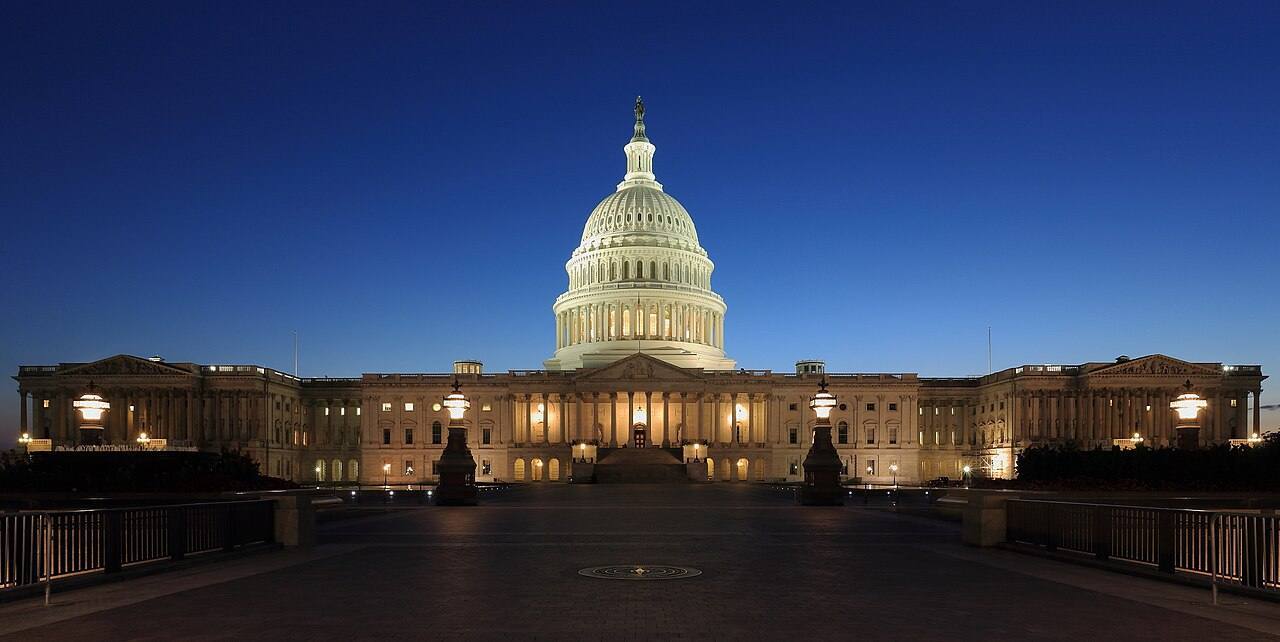
Understanding Redistricting
Every ten years, following the census, states engage in redistricting - the process of redrawing electoral district boundaries. This process is intended to ensure that political representation aligns with population shifts. However, it often devolves into a battle of partisan interests, with each party looking to gain an electoral advantage. The stakes are high, and the rhetoric surrounding the issue can often overshadow the reality.

Claims from the Left
Progressive voices argue that redistricting should prioritize fair representation, particularly for marginalized communities. They advocate for independent commissions to draw district lines, which they claim would lead to more equitable outcomes. The narrative pushed by the left emphasizes the need to dismantle gerrymandering practices that disproportionately benefit one party over another. In this framing, Democrats position themselves as champions of the disenfranchised, striving for a political landscape that better reflects the diversity of America.

Claims from the Right
Conversely, conservative leaders assert that redistricting is a legitimate tool for political strategy. They argue that it is within the rights of political parties to maximize their electoral chances, viewing this as a natural part of the political game. The rhetoric from the right often paints a picture of Democrats attempting to undermine the integrity of the electoral process by attempting to impose restrictions on redistricting. They warn that calls for reform could lead to a loss of competitive districts, which they claim would ultimately harm voter engagement.

The Reality of Redistricting
While both sides present compelling narratives, the reality of redistricting is often more complex. The records show that gerrymandering is not exclusive to one party. Both Democrats and Republicans have employed these tactics to their advantage over the years. For example, in states like Texas and North Carolina, Republican-led legislatures have been accused of manipulating district lines to dilute the voting power of minority communities. Meanwhile, Democrats in states like Illinois have been equally criticized for similar tactics that favor their electoral base.
Public Sentiment and Political Accountability
Public sentiment around redistricting is increasingly skeptical. Polls indicate that a growing number of Americans believe that the current system is rigged in favor of politicians rather than voters. Many citizens are calling for reforms, such as the establishment of independent redistricting commissions, to reduce the influence of partisan politics in the process. This sentiment reflects a broader disillusionment with political accountability and the perceived lack of responsiveness from elected officials.

"The current system is rigged in favor of politicians rather than voters."
The Path Forward
As the debate intensifies, both parties must grapple with the implications of their actions. The question remains: how can the redistricting process become more transparent and accountable? In an era where partisanship dominates, finding common ground on this issue will require genuine dialogue and a commitment to democratic principles. The challenge lies in disentangling legitimate political strategy from the manipulation of district lines for partisan gain.
Conclusion
In the end, the discourse surrounding redistricting reflects deeper concerns about democracy in America. Both sides must confront their excesses and recognize that the integrity of the electoral process is paramount. As citizens become more informed and vocal about their concerns, there is an opportunity for meaningful reform. The question is whether political leaders will heed the call or continue to prioritize party interests over the will of the people.
✦ ✦ ✦