From the file. Written for the paper dated March 2012. Opened in the public stacks July 14, 2026.
As the nation grapples with recent health crises, the public discourse surrounding epidemic response has become increasingly polarized. Claims from both the left and the right often overshadow the nuanced realities of public health efforts.

Public Health Under Scrutiny
In recent months, we have witnessed a surge in public interest regarding epidemic response efforts. The ongoing debates often pit the left against the right, with each side accusing the other of negligence or malfeasance. This clash of narratives raises critical questions about the effectiveness of our public health systems and the integrity of the information being disseminated.
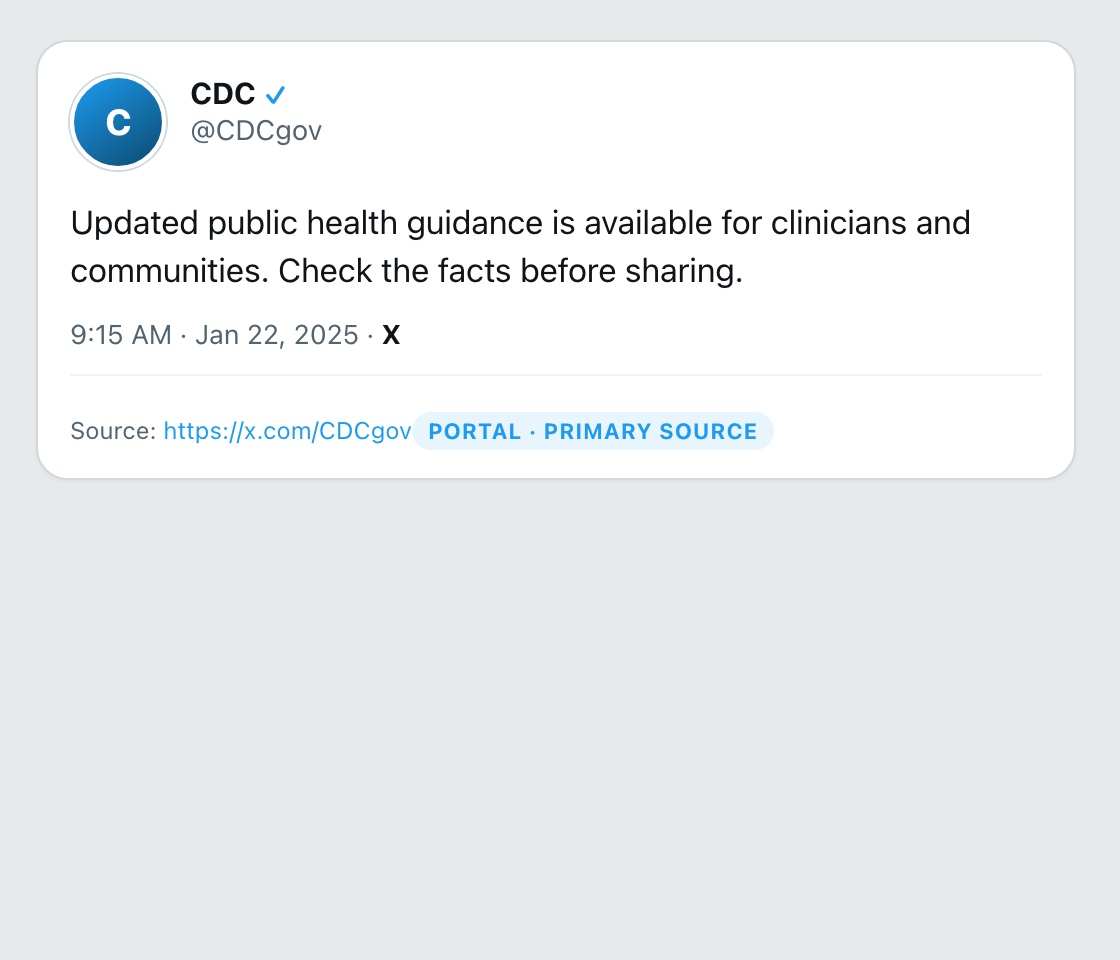
"In the face of public health crises, clarity is often sacrificed on the altar of political expediency."
The Left's Perspective: Call for Accountability
Progressives have been vocal in their criticism of government responses to recent health threats. They argue that inadequate funding for public health initiatives and a lack of transparency have left communities vulnerable. Activists and health experts on the left claim that a failure to prioritize public health funding has directly contributed to the ineffectiveness of epidemic response strategies. They cite examples from various outbreaks, calling for a reevaluation of budget allocations that prioritize corporate interests over community health.

However, the left's narrative can sometimes veer into alarmism, painting an overly bleak picture that can incite public panic rather than constructive dialogue. The repeated emphasis on failures without acknowledging the complexities of epidemic response may alienate moderate voices who would otherwise support reform.
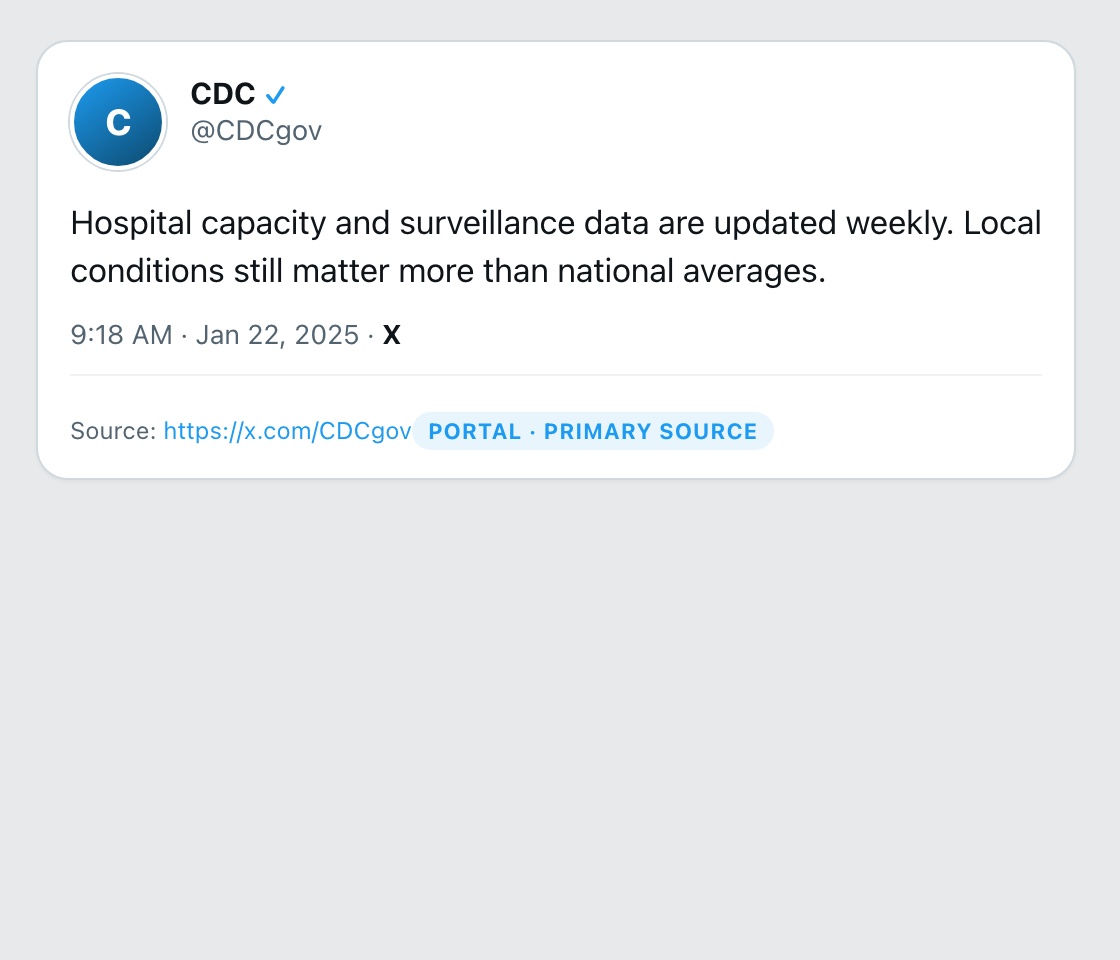
The Right's Reaction: Defending Leadership
On the opposite end of the spectrum, conservative commentators defend the current administration's actions, arguing that the response has been adequate given the circumstances. They emphasize the importance of individual responsibility and community resilience, often downplaying the potential ramifications of slow or insufficient action. Some argue that the emphasis on governmental intervention undermines personal liberties and promotes a culture of dependency.
Yet, this stance risks underestimating the seriousness of public health threats and can lead to complacency. By framing the discussion solely around individual responsibility, important systemic issues may be overlooked, preventing meaningful solutions from being reached.
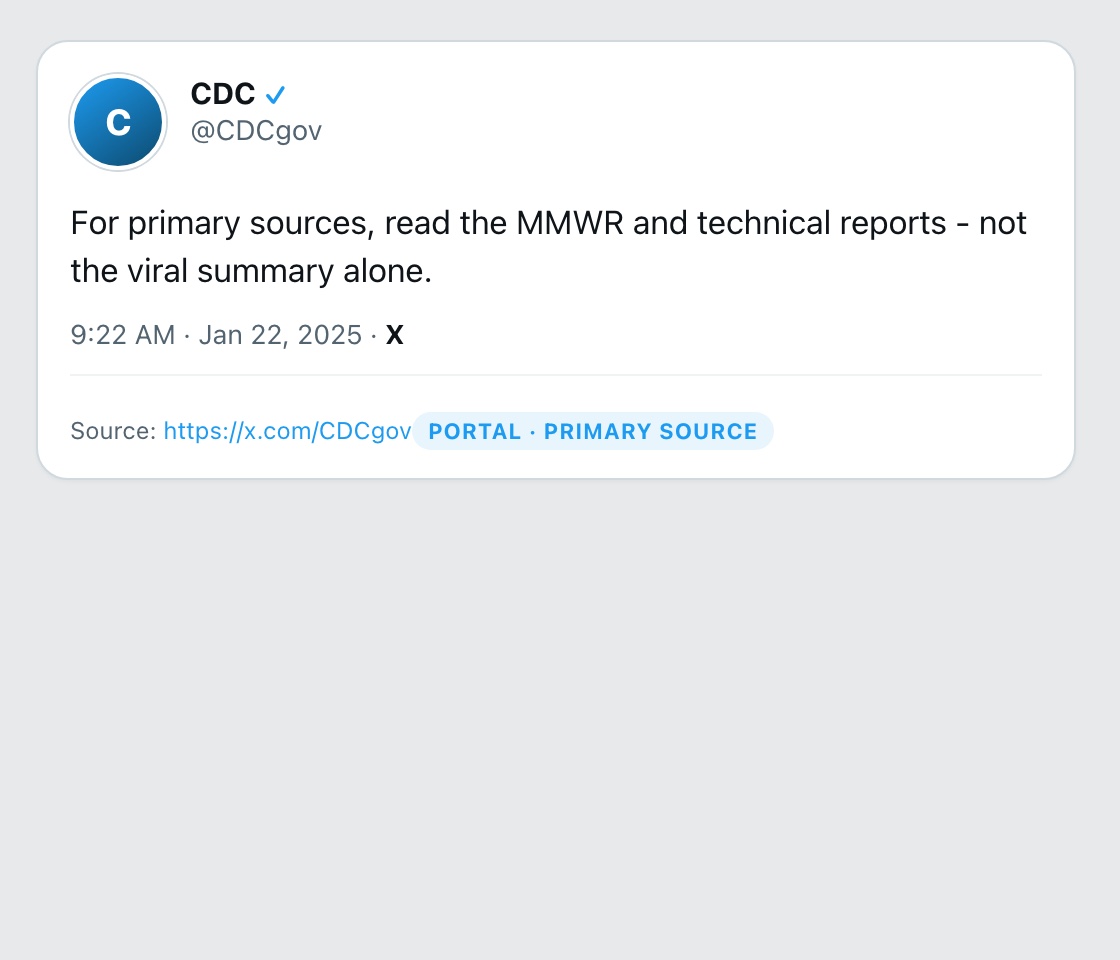
A Middle Ground: Seeking Truth in the Data
The reality of epidemic response is rarely as clear-cut as the polarized narratives suggest. Public health is a complex field that requires collaboration across various sectors, including government, healthcare providers, and the community at large. While it is crucial to hold our leaders accountable, it is equally important to acknowledge the challenges they face.
Data from health agencies often reflects a patchwork of responses that are influenced by political, social, and economic factors. Discrepancies in data reporting, resource allocation, and community engagement can all impact the effectiveness of epidemic response. Thus, it is essential for both sides to approach the issue with a critical eye, scrutinizing not only the actions of those in power but also the systems that govern public health.
The Role of Media in Shaping Public Perception
Media coverage plays a significant role in shaping public perception of epidemic response. Sensational headlines can exacerbate fears, while overly optimistic portrayals can lead to complacency. It is the responsibility of journalists to present balanced reporting that highlights both successes and failures in public health efforts. This includes acknowledging the hard work of public health officials while also critically examining the policies that guide their actions.
Conclusion: Bridging the Divide
As we move forward, it is essential to bridge the divide between the left and right narratives surrounding epidemic response. By fostering open dialogue and emphasizing evidence-based approaches, we can create a more comprehensive understanding of public health challenges. Acknowledging the limitations of both perspectives allows for a more nuanced approach that prioritizes the health and safety of all communities.
✦ ✦ ✦