From the file. Written for the paper dated February 2012. Opened in the public stacks July 14, 2026.
As global trade continues to expand, the intricate web of shipping lanes remains a vital artery for commerce, yet the protection of these routes raises questions about institutional accountability and the balance of power.

Understanding the Dynamics of Shipping Lanes
Shipping lanes are the lifelines of international trade, with vessels transporting goods worth billions of dollars across oceans every day. However, the security and management of these lanes often become a battleground for competing interests. Major shipping companies, national governments, and international organizations frequently clash over how to maintain order and protect their respective interests. This tug-of-war can lead to inefficiencies and excesses on both sides of the political spectrum.

On one hand, the left champions regulation and oversight, arguing that stringent measures are necessary to ensure safety and environmental protection. They advocate for policies that would lead to greater accountability among shipping companies, a noble pursuit indeed. However, the excessive regulations often stifle innovation and impose heavy burdens on businesses, especially smaller players trying to enter the shipping market. The result can be a monopolistic structure that benefits only a few large corporations while leaving new entrants struggling to survive.

On the other hand, the right typically pushes for deregulation, asserting that free-market principles will lead to more efficient shipping practices. While this viewpoint encourages competition, it often overlooks the potential consequences of a laissez-faire approach. Without adequate oversight, there is a risk of environmental disasters, labor exploitation, and unsafe shipping practices. The desire for profit can eclipse the need for responsible stewardship of our oceans and the welfare of workers in the shipping industry.

The balance of power in shipping lanes often reflects the larger ideological battle between regulation and deregulation.
Institutional Roles and Responsibilities
Institutions play a crucial role in the governance of shipping lanes, from the International Maritime Organization (IMO) to various national coast guards. These entities are tasked with maintaining safety standards and ensuring the environmental sustainability of maritime operations. However, their effectiveness can be hampered by bureaucratic inefficiencies and political agendas.
For instance, the IMO has established numerous conventions aimed at improving maritime safety and pollution prevention. Yet, the implementation of these regulations often falls short, largely due to the lack of enforcement mechanisms and the unwillingness of some countries to comply fully. This gap in accountability raises questions about the effectiveness of international agreements and whether they truly serve the interests of global commerce or merely act as a façade for political posturing.
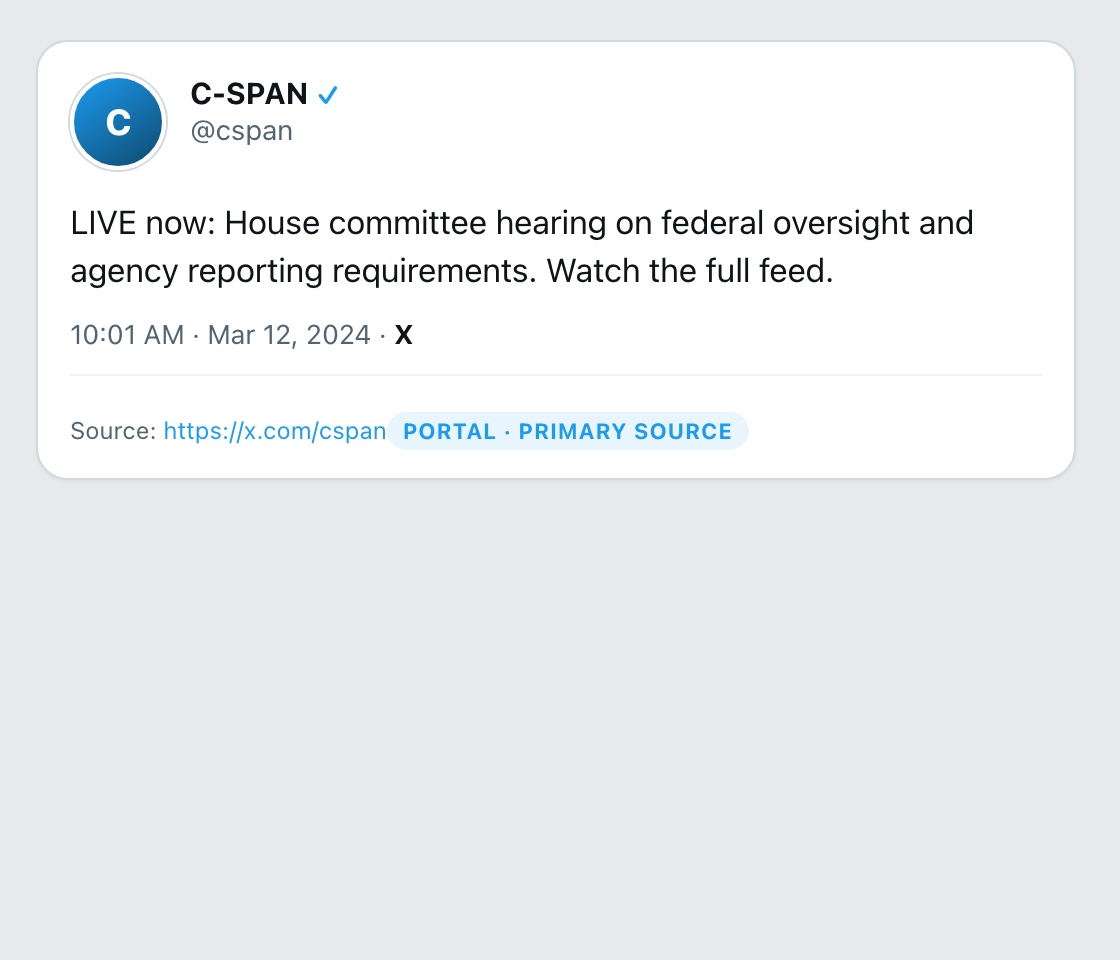
Moreover, as shipping companies lobby for favorable legislation, it becomes increasingly challenging to discern whether policies are crafted in the interest of public safety or corporate profit. There is a palpable tension between the need for security and the push for economic growth, and the outcomes of these policies can have far-reaching consequences on both local and global scales.
The Consequences of Excess
The excesses of both the left and right in the realm of shipping can lead to unintended consequences that ultimately harm the very systems they seek to protect. For example, overzealous regulatory measures can create barriers to entry that stifle competition, while a lack of oversight can result in catastrophic accidents, as seen in recent maritime disasters that have caused irreversible damage to marine ecosystems.
Conversely, the push for deregulation can lead to a race to the bottom, where companies cut corners to maximize profits at the expense of safety and environmental considerations. The recent trend of flagging vessels under nations with lax regulations exemplifies this issue, undermining the very principles of accountability that should govern international trade.
Charting a Sustainable Course
As we navigate these turbulent waters, it is essential for stakeholders to find common ground. A balanced approach that incorporates sensible regulations while fostering innovation is crucial for the sustainability of the shipping industry. Collaboration among governments, shipping companies, and international organizations can pave the way for a more accountable and efficient maritime system.
In conclusion, the complexities of shipping lanes demand a nuanced understanding and a commitment to finding solutions that transcend partisan divides. By recognizing the excesses of both left and right, stakeholders can work toward a system that not only protects their interests but also prioritizes the health of our global trade network and the environments we depend on.
✦ ✦ ✦