From the file. Written for the paper dated January 2012. Opened in the public stacks July 14, 2026.
As Congress grapples with the complexities of civil service reform, the debate highlights the stark incentives at play for both Democrats and Republicans. Each side has its own reasons for supporting or opposing changes to the federal workforce, revealing the intricacies and contradictions of political motivations in Washington.

The Bipartisan Push for Change
In recent months, there has been a growing discourse surrounding the need for civil service reform. Advocates argue that the current system is outdated and inefficient, stifling innovation and making it difficult for government agencies to attract and retain top talent. But while the issue has garnered a degree of bipartisan support, the motivations behind that support are often at odds.

On the left, some Democrats are pushing for reform as a means to eliminate waste and improve government efficiency. They argue that by streamlining processes and providing more flexibility in hiring, the federal government can better serve the public. However, this is often tempered by concerns over job security for existing federal employees, many of whom have devoted their careers to public service.
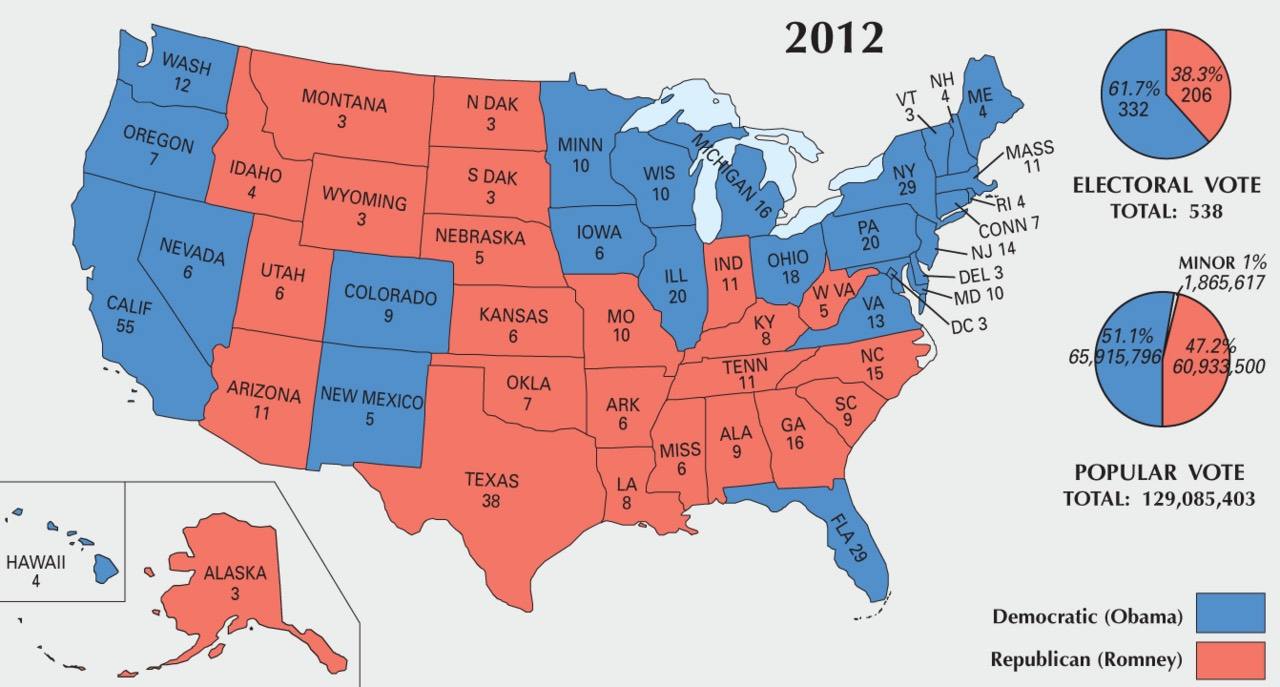
On the right, Republicans have seized on the opportunity to frame civil service reform as a way to reduce the size and cost of government. They argue that a more merit-based system would allow for the dismissal of underperforming employees and cut through the red tape that often hinders effective governance. Yet, this stance raises questions about how such policies might affect job stability for millions of hardworking civil servants.

"Civil service reform offers a unique lens through which we can examine the evolving priorities of both parties."
Contradictions and Consistency
As both sides advocate for reform, the contradictions in their positions become apparent. Democrats who champion the cause of workers' rights find themselves in a precarious position when the reform proposals threaten the job security of those same workers. Meanwhile, Republicans, who have historically aligned with the interests of business, face a dilemma when the push for efficiency conflicts with the value of experienced employees.
The tension is palpable. While there is a shared desire to improve government operations, the pathways proposed by each party often diverge sharply. This has made it difficult to forge a consensus on how best to proceed with civil service reform. The result is a complicated legislative landscape where both sides must negotiate their ideals against the realities of governance.

Public Sentiment and Political Calculus
Public sentiment plays a critical role in shaping the civil service reform debate. Polling data suggests that Americans are increasingly frustrated with government inefficiency, leading to calls for change. However, many voters also express a deep respect for civil servants and the work they do. This dichotomy complicates the messaging for politicians, who must tread carefully to avoid alienating key voter demographics.
On the left, there is a push to frame civil service reform as a means of enhancing the effectiveness of government. By presenting it as a positive change that will ultimately benefit constituents, Democrats hope to maintain support from their base while also appealing to moderates. On the right, the narrative often revolves around accountability and fiscal responsibility, emphasizing that reform is necessary to ensure taxpayer dollars are spent wisely.
The Way Forward
So where do we go from here? The path to effective civil service reform will require both sides to engage in meaningful dialogue and compromise. It is clear that a one-size-fits-all approach will not suffice; instead, a nuanced understanding of the challenges facing both the workforce and the public sector is essential.
Policymakers must consider the implications of their proposals on job security while also addressing the need for efficiency and effectiveness in government. This balancing act will not be easy, but it is necessary to ensure that civil service reforms do not inadvertently harm the very employees they seek to empower.
Conclusion: A Call for Collaboration
As the civil service reform debate unfolds, both Democrats and Republicans have an opportunity to demonstrate their commitment to a government that works for the people. By recognizing the incentives and motivations that drive each side, they can find common ground and develop policies that benefit all stakeholders involved.
The stakes are high, and the public is watching closely. In a political climate marked by divisiveness, civil service reform could serve as a crucial test of whether bipartisanship is still possible in Washington.
✦ ✦ ✦