From the file. Written for the paper dated December 2011. Opened in the public stacks July 14, 2026.
In an era rife with political noise, both the left and the right have given rise to populist movements that often overclaim their mandates and misrepresent the public’s desires. But what drives this phenomenon? Here’s a look at the underlying mechanisms behind the cacophony.

The Nature of Populism
Populism, at its core, is a political approach that seeks to represent the interests of ordinary people against the elite. This is a noble endeavor, one that has historically sparked significant social change. However, in the current climate, we see a dangerous trend where both sides of the political spectrum have overreached in their claims and promises. The left and the right, in their quest for power and relevance, have often resorted to exaggerated rhetoric that undermines the very fabric of democratic discourse.

The Left's Overreach
On the left, we witness a growing tendency to frame every issue in stark moral terms, often painting opponents as villains rather than engaging in constructive debate. This oversimplification leads to a distorted view of complex issues, such as healthcare reform or economic policy. Advocates for these reforms sometimes overclaim popular support by presenting their agendas as universally beneficial, ignoring the legitimate concerns of those who question their approach.
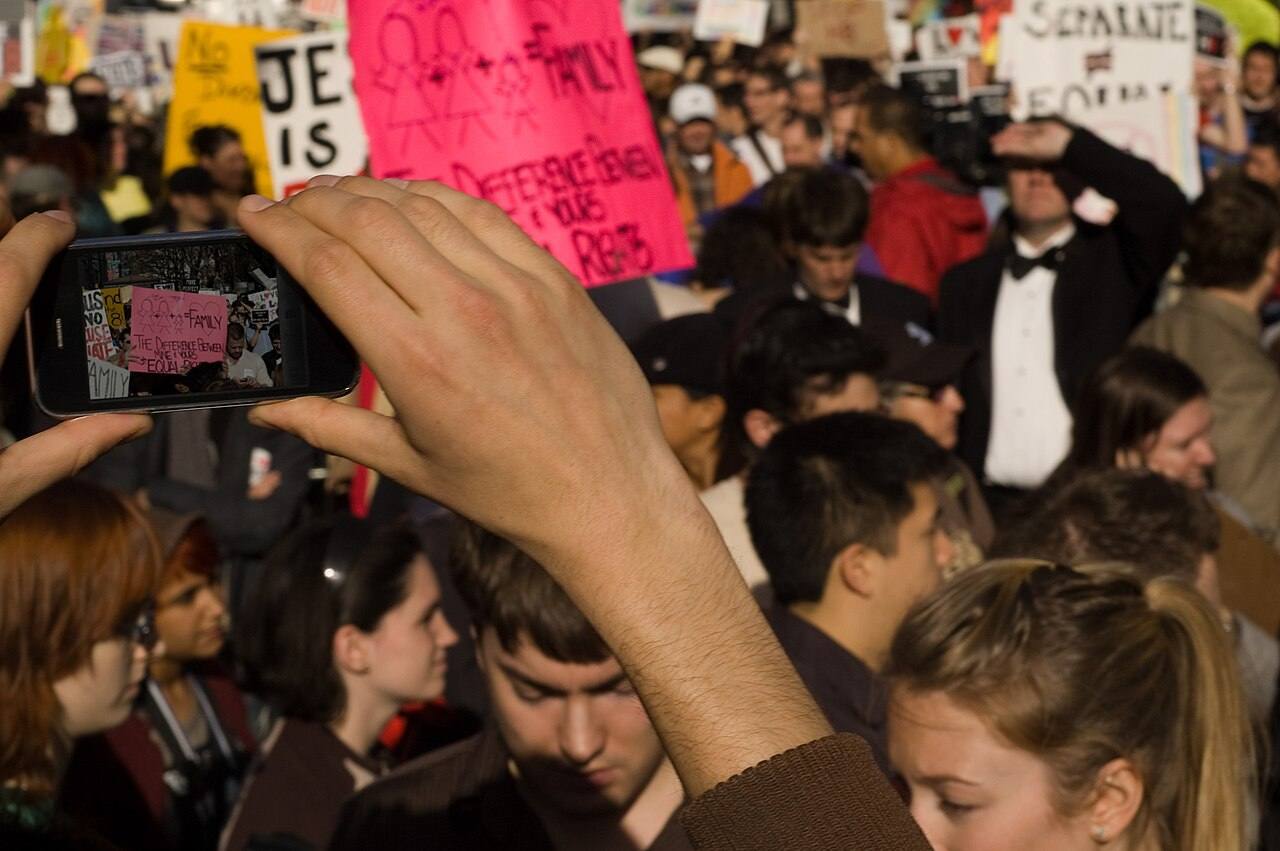
"When every opponent is labeled as a threat to the common good, meaningful dialogue evaporates."
This leftward overreach manifests in the insistence that all dissent is rooted in ignorance or malice. Such a perspective not only alienates potential allies but also creates an echo chamber where only the loudest voices are heard. Instead of fostering a pluralistic dialogue, this approach risks entrenching division and misunderstanding.
The Right's Reaction
Conversely, the right has adopted its own brand of populism, often leveraging fear and resentment to galvanize support. In the current political environment, we see a marked tendency to overstate threats, whether from immigration or economic policy. This tactic serves to rally the base by framing issues as existential crises, thus justifying extreme measures and policies that may not be warranted by the facts.
"In the race to defend the status quo, the right often misses the opportunity for genuine reform."
While it is essential to address concerns regarding national security or economic stability, the right’s penchant for alarmist rhetoric can lead to policies that are reactionary rather than reflective of the populace’s needs. By portraying themselves as the defenders of the "real America," they risk alienating those who seek a more nuanced understanding of the issues at hand.
The Boring Mechanism Behind the Noise
Beneath the surface of this populist noise lies a more mundane reality: the mechanics of political messaging and the media landscape. Both sides utilize strategies that prioritize attention over substance. In an age where sound bites reign supreme, the complexity of issues is often lost in translation. Politicians and activists alike know that a catchy slogan or an emotionally charged statement can garner more media coverage than a reasoned argument.
This phenomenon is compounded by a 24-hour news cycle that demands constant content. In the scramble for attention, sensationalism often trumps critical analysis. As a result, the public is bombarded with messages that prioritize shock value over accuracy. This environment creates fertile ground for populist overclaims on both sides, as leaders cater to the lowest common denominator to maintain relevance.
What Can Be Done?
To counteract these trends, it is imperative that both politicians and the electorate shift their focus from sensationalism to substance. For the left, this means engaging in genuine dialogue and acknowledging the validity of differing perspectives. For the right, it involves recognizing that fear-based appeals can undermine long-term solutions to complex problems.
Moreover, the media must take responsibility for its role in perpetuating these cycles. Providing context, fostering in-depth discussions, and prioritizing informative reporting over clickbait will help create an informed electorate capable of navigating the complexities of the issues at hand.
A Call for Responsibility
As 2011 draws to a close, it is vital to remember that populism in its best form can inspire change and give voice to the voiceless. However, when populists overclaim, they risk not only their credibility but the very principles of democracy itself. Both sides must recognize the responsibility they hold in shaping public discourse and strive to engage in a manner that reflects the true spirit of democracy: one that values reasoned debate over noise.
✦ ✦ ✦