From the file. Written for the paper dated December 2011. Opened in the public stacks July 14, 2026.
As the debate over war powers escalates in the halls of Congress, the noise surrounding it often drowns out the underlying mechanisms that govern these discussions. Both sides of the aisle, while espousing their commitment to national security, frequently engage in a theatrical display that overshadows substantive dialogue.
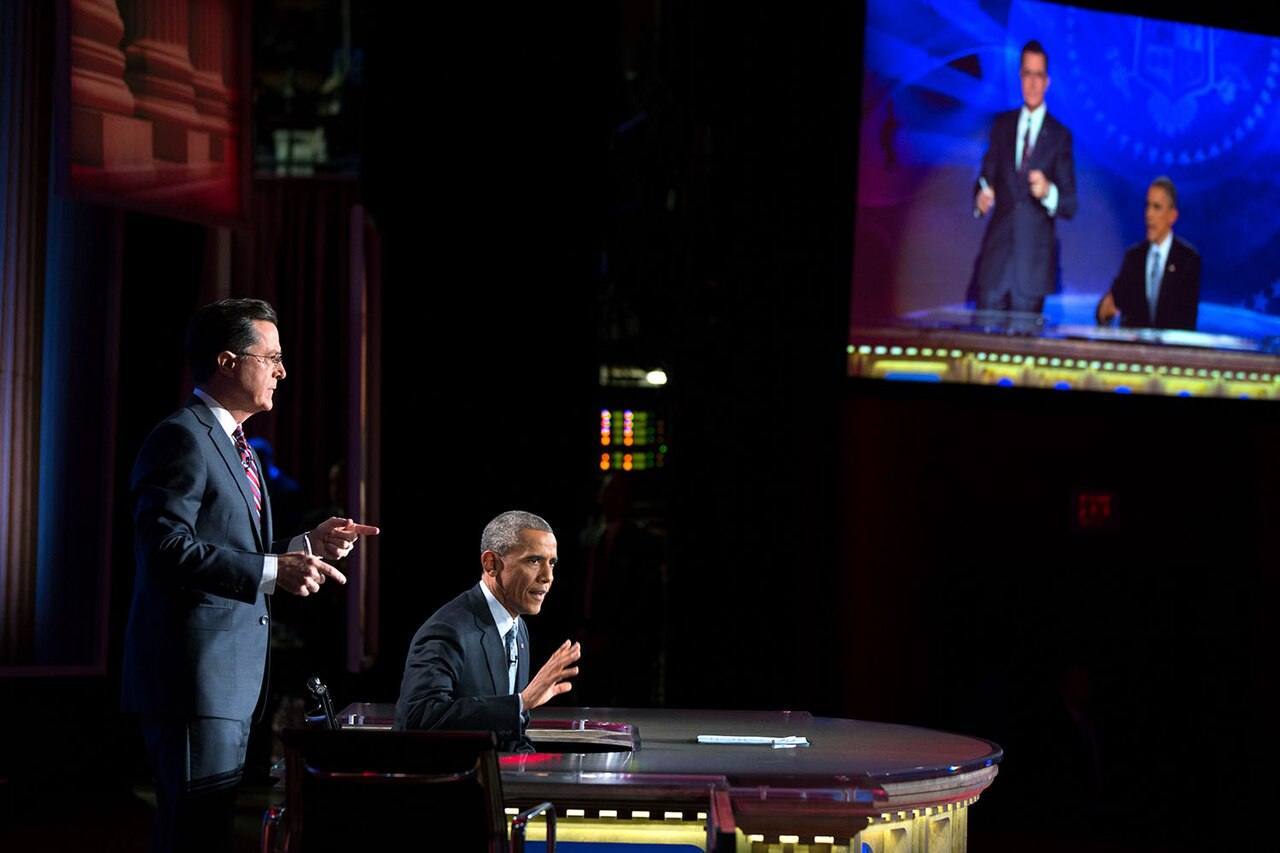
The Political Theatre of War Powers
In recent months, the discourse surrounding the President's authority to engage in military action without congressional approval has reached a fever pitch. On one hand, we have the hawkish proponents who argue for expansive military engagement to protect American interests abroad. On the other, there are the more dovish voices advocating for restraint and a return to the constitutional requirement of congressional approval for military action.
However, this dichotomy often feels more like a scripted performance than an earnest examination of policy. The left accuses the right of warmongering, while the right derides the left as being weak on defense. This back-and-forth, while rooted in genuine concerns, tends to overlook the foundational principles of governance that should guide the use of military force.

"The debate often feels more like a scripted performance than an earnest examination of policy."
Underlying Mechanisms of War Powers
At the core of the war powers debate lies the War Powers Resolution of 1973, a legislative attempt to curtail the executive branch's ability to unilaterally engage in military conflicts. This law was born out of the frustrations of the Vietnam War, reflecting a desire to reassert congressional authority in matters of war. Yet, over the decades, the resolution has often been sidestepped or declared unconstitutional by successive presidents.
In the current atmosphere, both parties seem to revel in the drama of the debate rather than address the structural issues that allow for executive overreach. The left, in its passionate calls for limited military interventions, sometimes fails to recognize that inaction can lead to destabilization in volatile regions. Meanwhile, the right’s fervent push for military action often ignores the long-term consequences of such engagements, including the loss of life and resources.
Excesses on Both Sides
What we witness is a perilous cycle of rhetoric that feeds into the larger narrative of American exceptionalism. The left’s insistence that any military engagement without congressional approval is a slide toward tyranny is countered by the right's claim that a lack of aggressive action endangers national security. Both extremes ignore the complexities of international relations and the nuanced decision-making required in matters of war and peace.
Moreover, the media's role in amplifying these discussions often contributes to the sensationalism surrounding war powers. Headlines scream of imminent threats and calls for action, which in turn fuels public fear and demands for military responses. This creates a feedback loop where political leaders feel pressured to respond aggressively, often at the expense of a reasoned and measured approach.
Moving Beyond the Rhetoric
As the debate continues, it is crucial for lawmakers and the public alike to push for a more substantive discussion about the mechanisms of war powers. This includes a serious examination of the War Powers Resolution and whether it adequately serves its intended purpose. Moreover, both sides should work together to establish clearer guidelines for military engagement that reflect the changing dynamics of global conflict.
Ultimately, the nation deserves a discourse that prioritizes diplomacy and peace-building over military intervention. While there may be genuine disagreements on how best to achieve security, reducing the conversation to mere political posturing undermines the very principles of democracy and governance that should guide such crucial decisions.
The Path Forward
In the coming months, as Congress debates the future of American military engagement, it is imperative that both sides strive for a more constructive approach. Engaging in sincere discussions about the implications of military action, understanding the historical context of the War Powers Resolution, and placing a higher value on diplomacy can pave a more responsible path forward.
In this complex political landscape, it is our responsibility to demand a higher standard from our leaders and to ensure that the mechanisms behind the noise are not just heard, but understood. Only then can we hope to navigate the murky waters of international relations with wisdom and integrity.
✦ ✦ ✦