From the file. Written for the paper dated December 2011. Opened in the public stacks July 14, 2026.
The recent failures of several high-profile satellites have sparked a debate not just about technology's reliability, but also about the underlying mechanisms that contribute to these breakdowns. As we explore the intricacies of satellite failures, we must also navigate the often-overlooked, yet crucial, operational factors that play a significant role.
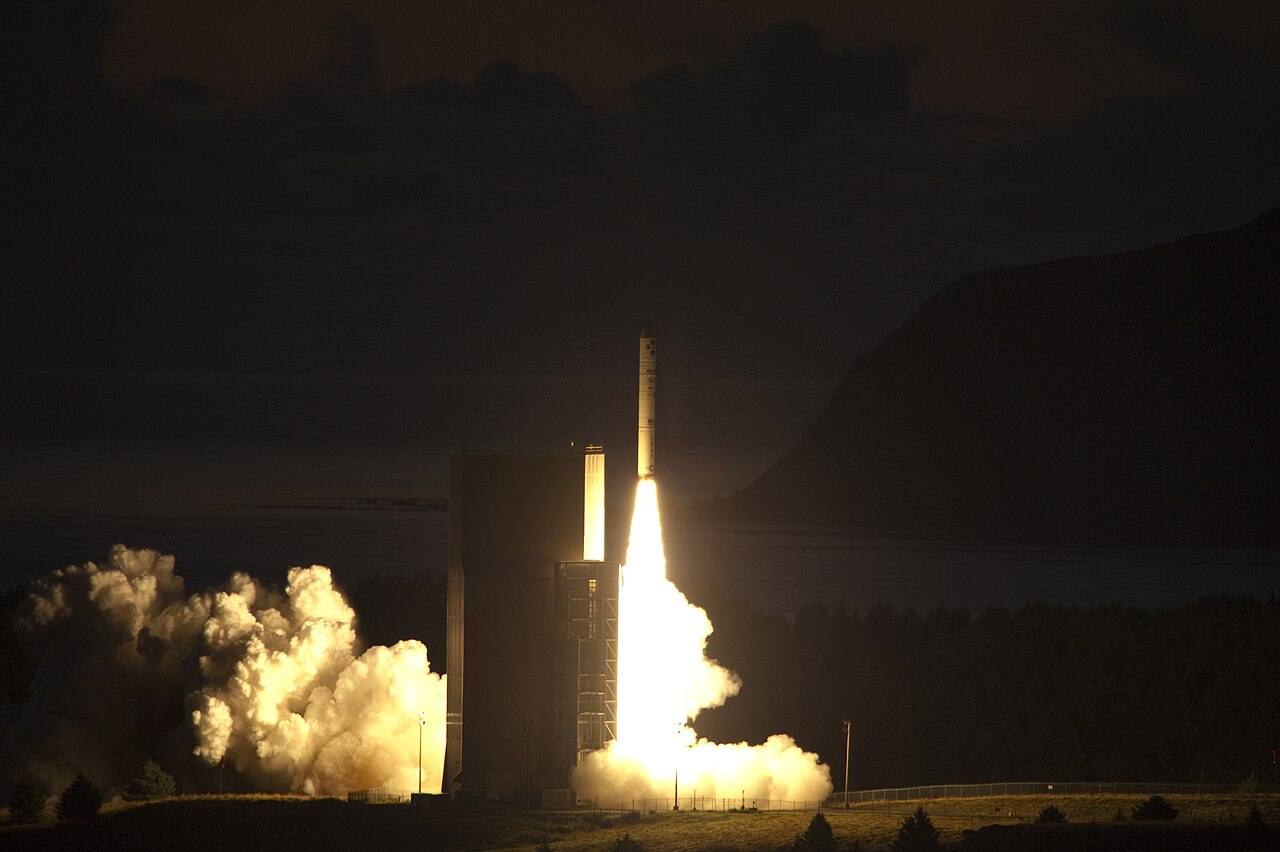
The Complexity of Satellite Technology
Satellites are marvels of modern engineering, designed to withstand the harsh environment of space while performing critical functions such as communication, navigation, and scientific research. However, the complexity of these machines also implies that they are susceptible to a range of failures. Recent incidents have highlighted how even the most advanced technology can falter due to seemingly mundane issues.

Hardware and Software Interactions
One of the primary reasons for satellite failures often lies within the interaction between hardware and software. As software systems become more intricate, they must interface flawlessly with the hardware components they control. A small glitch in the software can lead to catastrophic failures. For instance, a satellite's failure to communicate with its ground station can be traced back to a software bug that went undetected during the testing phases. The irony, of course, is that the very innovations designed to improve efficiency and performance can also introduce vulnerabilities.
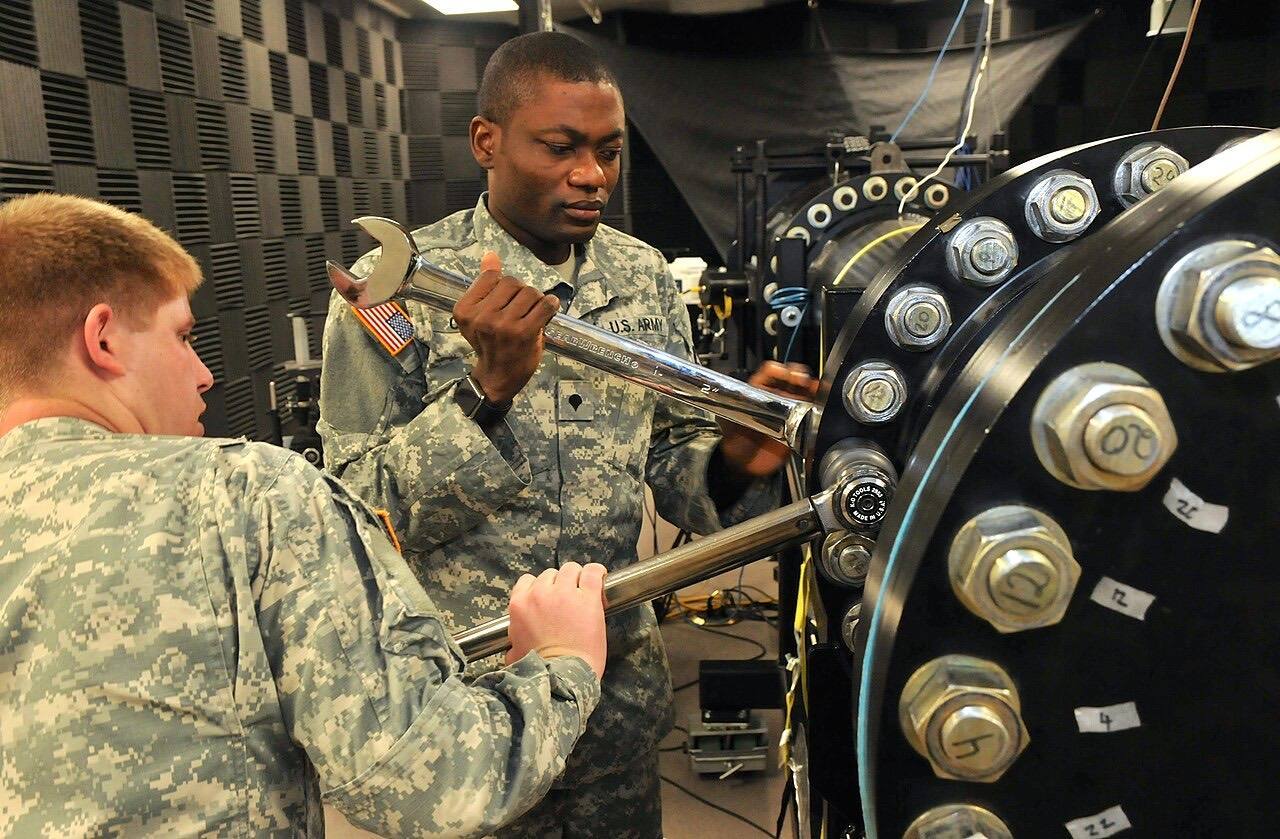
“A small glitch in the software can lead to catastrophic failures.”
The Role of External Factors
While internal issues are critical, external factors also play a significant role in satellite operations. Space is not a vacuum; it is filled with radiation, micrometeoroids, and other debris that can damage a satellite's sensitive components. Moreover, solar flares and geomagnetic storms can disrupt satellite functions, leading to failures that are entirely out of the engineers’ control. The unpredictability of these external factors adds another layer of complexity to satellite management.

Communication Breakdowns
Another factor contributing to satellite failures is the challenge of maintaining robust communication links. Satellites rely on intricate networks to transmit data back to Earth, and any disruption in this chain can lead to loss of functionality. Engineers are constantly working to improve redundancy in communication systems, but the reality remains that a single point of failure can spell disaster. Here, again, we see the tension between technological advancement and the inherent risks that come with it.
The Delicate Balance of Innovation
As we push the boundaries of satellite technology, we must also grapple with the balance between innovation and reliability. The drive to create faster, smaller, and more efficient satellites can lead to corners being cut during the design and testing phases. This is not merely a matter of corporate greed; it reflects a broader cultural tendency to prioritize rapid advancement over thoroughness. The consequences of this mindset are being felt as we witness a spate of satellite failures.
Lessons from Failure
In the face of these challenges, it is essential for engineers and policymakers to learn from past failures. A culture of transparency regarding failures can lead to improved designs and better practices in satellite management. Sharing lessons learned across the industry can help mitigate future risks and foster a collaborative approach to problem-solving.
The Future of Satellite Technology
As we look toward the future, the question remains: how do we balance the exciting possibilities of new satellite technologies with the need for reliability? A careful approach is necessary, one that values thorough testing and validation as much as it values speed and innovation. By recognizing the boring mechanisms behind the noise of satellite failures, we can work to ensure that our next generation of satellites is not only cutting-edge but also dependable.
Conclusion
Ultimately, satellite failures serve as a reminder of the complexities inherent in modern technology. By understanding the boring mechanisms that lead to these failures, we can take proactive steps to improve the reliability of our satellite systems. Both the left and right of the political spectrum must recognize that investing in technology also means investing in the processes that underpin it. It is not merely about celebrating advancements; it is about ensuring that these advancements are sustainable and secure for the future.
✦ ✦ ✦