From the file. Written for the paper dated November 2011. Opened in the public stacks July 14, 2026.
As the dust settles on the latest military engagements, the conversation surrounding war powers is more critical than ever. With both sides of the political aisle clamoring for attention, the debate often strays from the core issues of evidence and accountability.
The Legislative Tug-of-War
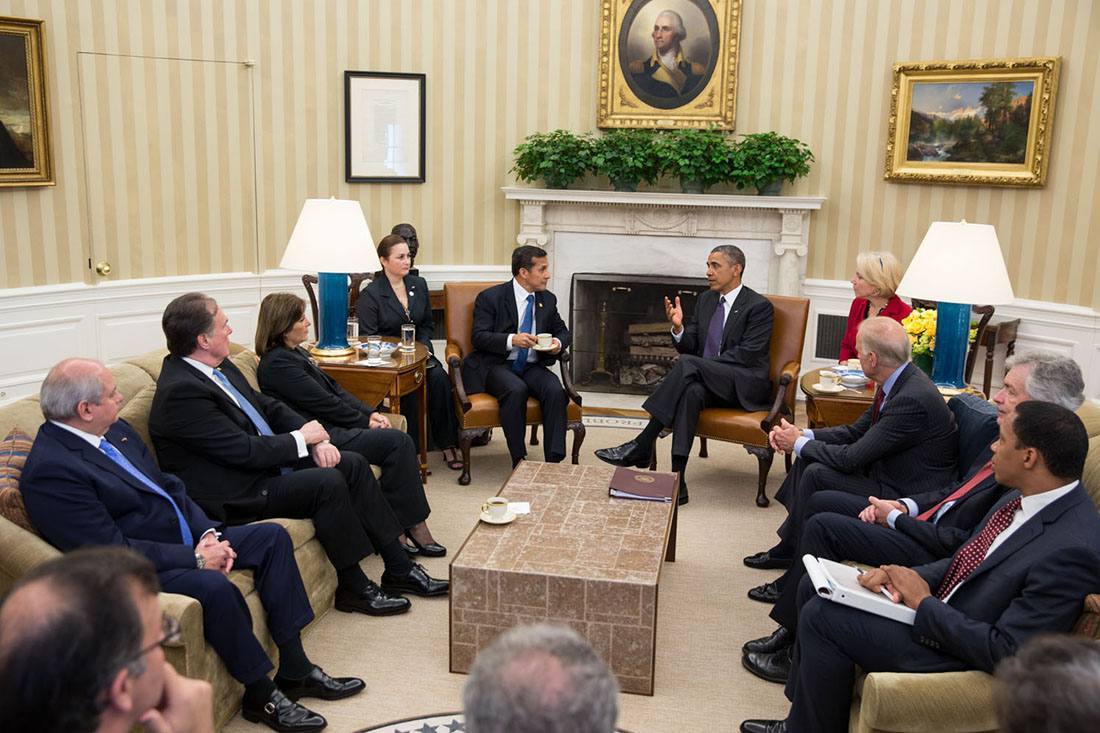
The War Powers Resolution of 1973 was designed to ensure that Congress retains a significant role in decisions regarding military action. Yet, as the U.S. navigates multiple conflicts abroad, it seems that this legislative safeguard is increasingly sidelined. The administration, particularly under President Obama, has faced scrutiny from both progressives and conservatives regarding its military interventions. Progressives argue that the President's actions are veering dangerously close to unchecked executive power, while conservatives often seem more concerned with the efficacy of military force rather than constitutional limitations.

"In a democracy, it should not be the case that military action is taken without full accountability to the people’s representatives." - Unnamed legal scholar
On the left, there is a growing chorus advocating for a restoration of congressional authority, led by figures who were once vocal supporters of interventionist policies. This shift has led to a peculiar paradox where some of the strongest proponents of anti-war sentiment are now members of Congress who once voted for military engagements. The irony is palpable: the very individuals who championed a robust military response now find themselves entangled in a web of accountability that they did not foresee.
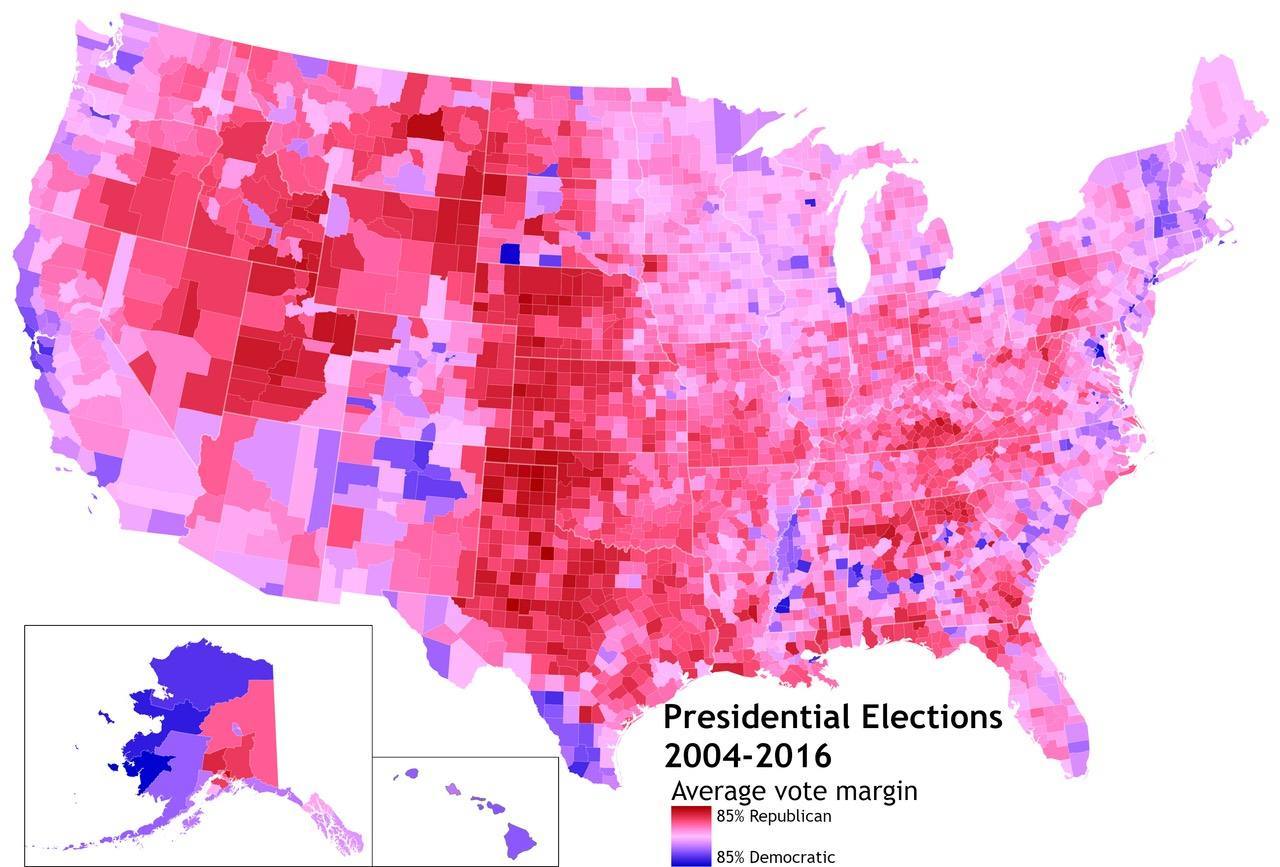
Meanwhile, the right has its own brand of excess. With a focus on national security and the perceived need for a strong military presence globally, conservative voices often drown out the more nuanced discussions about the implications of such strategies. The narrative tends to favor military action over diplomatic solutions, leading to an oversimplified view of international relations. This binary thinking can be detrimental, especially when it comes to the complex geopolitical landscape that the U.S. engages in.

The Evidence Before Identity
At the heart of the war powers debate should be a focus on the evidence available to justify military actions. However, both sides often prioritize their ideological identities over the facts at hand. For the left, the call for peace must not obscure the reality of emerging threats. The right, conversely, must recognize that endless military engagement does not guarantee security, and in fact may exacerbate tensions.
The recent military operations in Libya have served as a litmus test for the current administration's approach to warfare. While the Obama administration argues that intervention was necessary to prevent a humanitarian crisis, critics question the lack of congressional approval and the potential for mission creep. Has the administration fallen into the same trap that ensnared its predecessors, prioritizing immediate action over measured deliberation? These questions remain largely unanswered as both sides engage in rhetorical battles rather than substantive discussions.

The Public's Role in the Debate
Amidst this political theater, the American public finds itself in a challenging position. With a myriad of sources providing conflicting narratives about military engagements, citizens are often left to navigate a fog of misinformation. Polls indicate a growing wariness among the populace regarding military interventions, yet this skepticism does not always translate into political pressure for more accountability.
"The public must demand clarity and accountability from their leaders, especially when it comes to matters of war." - Veteran journalist
In this climate, it is crucial for citizens to educate themselves on the nuances of the war powers debate. Engaging with the facts, rather than the identities of political figures, will foster a healthier discourse on military engagements. It is imperative that voters hold their representatives accountable, demanding that they prioritize evidence and strategy over political allegiance.
Moving Forward
The war powers debate should serve as a wake-up call for both sides of the aisle. It is a moment to reassess priorities and consider the long-term implications of military actions. For progressives, this means advocating for a more restrained and accountable approach to intervention. For conservatives, it requires a recognition that national security cannot solely be achieved through military might.
As we move forward, it is essential for both sides to find common ground in the pursuit of a balanced approach to foreign policy. The evidence should guide our actions, not ideological identities. Only by bridging the divide can we hope to create a more coherent and responsible framework for engaging in military actions abroad.
✦ ✦ ✦