From the file. Written for the paper dated November 2011. Opened in the public stacks July 14, 2026.
As the eruptions of the past months seem to fade from headlines, the science behind monitoring volcanoes demands our attention more than ever. With heightened seismic activity globally, understanding the evidence of volcanic threats is essential, transcending political divides and public sentiment.
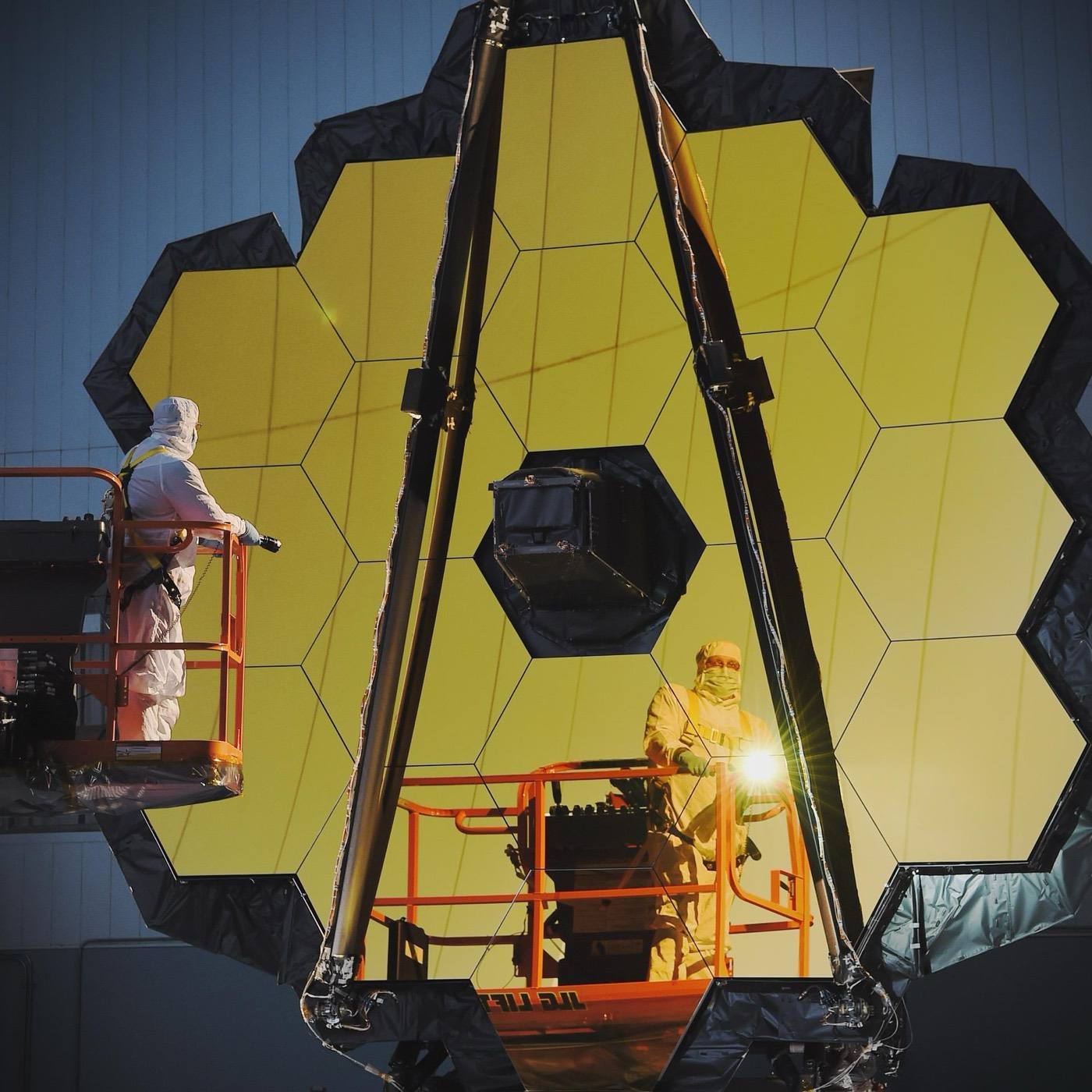
Volcanic Activity: A Global Perspective
The recent eruptions in regions across the Pacific Ring of Fire have sparked concern among scientists and policymakers alike. While the media frenzy surrounding these natural disasters often highlights the immediate destruction, the long-term implications and the necessity for vigilant monitoring is often overlooked. This is where the role of volcanologists comes into play; their work is crucial in gathering, analyzing, and disseminating critical data that can save lives and inform communities.
"The earth is constantly changing, and the evidence we gather is the key to understanding these changes." - Anonymous Volcanologist
In the wake of a volcanic eruption, the focus tends to shift towards the immediate human tragedy - loss of life, destruction of property, and displacement of communities. While these are undoubtedly important issues, it is essential to recognize that the scientific community is tirelessly working to understand the underlying geological processes that lead to such catastrophic events. This involves a range of disciplines, from geophysics to environmental science, each contributing to a more comprehensive understanding of volcanic activity.
Political Polarization and Volcanic Science
As the urgency of volcanic monitoring grows, so too does the challenge posed by political polarization. On one side, there are those who argue for increased funding and support for scientific research, viewing it as a necessary investment in public safety and disaster preparedness. On the other hand, some policymakers dismiss such funding as unnecessary, prioritizing economic concerns and political agendas over scientific inquiry. This divide not only complicates the funding landscape but also impacts public perception and engagement with science.
Critics of the left often accuse them of overemphasizing environmental concerns at the expense of economic growth. They argue that excessive regulations can stifle innovation and hinder scientific advancement. Conversely, critics of the right contend that their dismissal of climate science and environmental studies undermines critical research that could save lives in the event of volcanic eruptions. This tug-of-war between economic growth and environmental safety highlights a growing need for a middle ground that prioritizes scientific evidence above political identity.
The Importance of Evidence-Based Approaches
At the heart of effective volcanic monitoring is an evidence-based approach that relies on data, rather than ideology. Recent advancements in remote sensing technology and satellite imagery have revolutionized the way scientists monitor volcanoes. These tools allow for real-time data collection, providing critical insights into volcanic behavior and potential eruption forecasts. Yet, public trust in science remains fragile, often swayed by political rhetoric and sensational media coverage.
While the right may argue that science should be left to the experts, dismissing the findings of scientists as elitist, the left's tendency to politicize scientific findings can lead to a distrust in the very evidence that could inform policy. This distrust can have dire consequences, particularly in the face of natural disasters like volcanic eruptions, which do not discriminate based on political affiliation.
Community Engagement and Education
In addition to scientific research, community engagement is vital in building resilience against volcanic threats. Educating local populations about the risks associated with living near active volcanoes, as well as the science behind monitoring efforts, is essential for fostering a culture of preparedness. Community involvement can bridge the gap between scientific findings and public understanding, creating a more informed citizenry that values evidence over fear.
Moreover, engaging the public in discussions about volcanic hazards can help dispel myths and misinformation that often proliferate during crises. By fostering a dialogue that emphasizes the importance of scientific evidence, communities can better prepare for the unpredictable nature of volcanic activity.
Conclusion: A Call for Unity in Science
As we watch the headlines fade from the latest volcanic eruptions, we must not lose sight of the critical role that scientific monitoring plays in safeguarding lives and property. It is essential to advocate for a discourse that prioritizes evidence over identity, embracing the complexity of volcanic science while recognizing the need for comprehensive policies that support ongoing research and community engagement.
In a time where political excesses threaten the integrity of scientific discourse, we must unite in our commitment to understanding and preparing for the natural world. Only through collaboration and a shared respect for evidence can we hope to navigate the challenges posed by volcanic activity and ensure a safer future for all.
✦ ✦ ✦