From the file. Written for the paper dated November 2011. Opened in the public stacks July 14, 2026.
As global trade continues to navigate the turbulent waters of economic uncertainty, the significance of shipping lanes comes into sharper focus. The dynamics of these vital passages are shaped not just by commerce, but by the political and social currents that swirl around them.
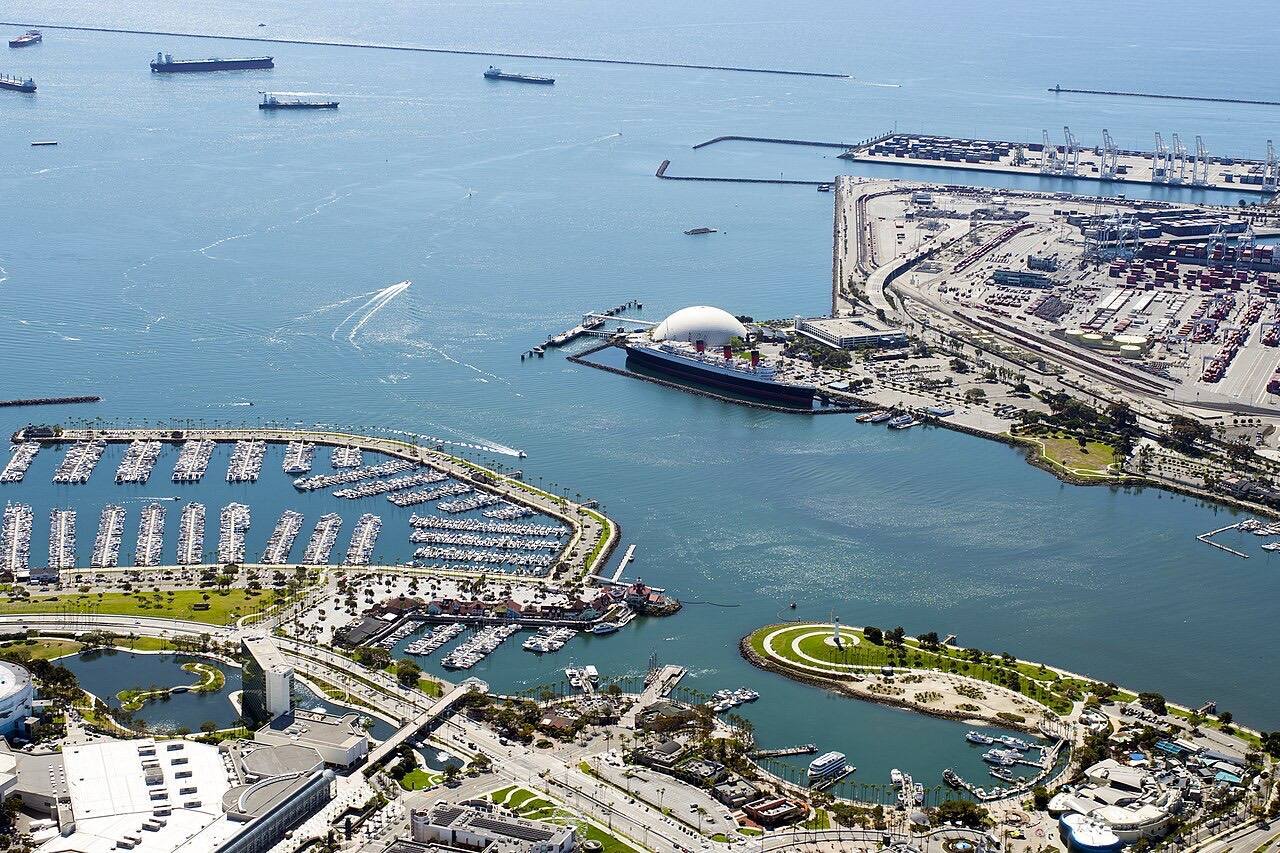
Trade Winds in Turbulent Times
The shipping industry stands at a crossroads, with the ongoing debates about free trade versus protectionism ringing louder than ever. As nations grapple with their economic identities in a world still reeling from the financial crisis of 2008, the implications for shipping lanes are profound. The debate over the Trans-Pacific Partnership, for instance, highlights the tensions between those who advocate for unbridled trade and those who call for more stringent protections for local industries.
On one hand, proponents of free trade argue that open shipping lanes facilitate economic growth and lower costs for consumers. They tout the benefits of a globalized economy, where goods can move seamlessly across borders, bringing efficiency and innovation. However, critics are quick to point out that such unregulated practices can lead to job losses in domestic markets and exacerbate income inequality. This tug-of-war over trade policy directly impacts shipping lanes, as countries reassess their commitments to international agreements.

The Squeeze of Regulation
Meanwhile, the rise of regulatory measures designed to protect national interests poses another challenge to shipping routes. The European Union's efforts to enforce stringent environmental standards, for example, have raised concerns among shipping companies about compliance costs that could ultimately drive up prices for consumers. In the United States, the Jones Act continues to restrict foreign competition in domestic shipping, a policy that some view as an outdated relic of protectionism.
“The debate over shipping lanes is not just about trade; it's about national identity and the future of our economy.”
As we delve deeper into the implications of these regulations, it is essential to consider the perspective of the shipping companies themselves. Many are caught in the crosshairs of these policy debates, navigating a shifting landscape that can seem more like a minefield than a trade route. The pressures of compliance, fluctuating fuel prices, and the need for efficiency mean that companies must adapt swiftly or risk becoming obsolete.
Piracy and Security Concerns
In addition to economic pressures, the specter of piracy looms large over several key shipping lanes, particularly in regions like the Horn of Africa and the South China Sea. The rise of piracy has forced shipping companies to rethink their security strategies, adding layers of complexity to an already intricate system. The increased costs associated with security measures can impact shipping rates, invariably affecting consumer prices.

Furthermore, the geopolitical tensions in these regions add an element of unpredictability. The South China Sea, a critical artery for global trade, has become a flashpoint for military posturing, as nations assert territorial claims that threaten the safety of shipping operations. The potential for conflict over these waters raises urgent questions about the future of international shipping and the stability of global trade.
The Role of Emerging Economies
Emerging economies also play a crucial role in the evolution of shipping lanes. As countries like China and India continue to expand their manufacturing capabilities, they are reshaping the demand for shipping routes. The growth of these economies has led to increased competition for shipping services, prompting companies to innovate and enhance their offerings.
However, this growth comes with its own set of challenges. Environmental concerns related to increased shipping traffic are becoming harder to ignore. The need for sustainable practices in the shipping industry is more pressing than ever, as the impacts of climate change become apparent. Companies are grappling with how to balance profitability with responsibility, a challenge that will define the industry in the coming years.
The Path Forward
The future of shipping lanes is uncertain, as the industry navigates these challenges. The path forward will require a careful balancing act, where the interests of businesses, consumers, and national identities must be weighed against one another. As we continue to monitor these developments, it is clear that the conversations surrounding shipping lanes are far from over. The outcomes of these discussions will shape the very fabric of global trade in the years to come.
✦ ✦ ✦