From the file. Written for the paper dated October 2011. Opened in the public stacks July 14, 2026.
As the world keeps a vigilant eye on volcanic activity, the intersection of public claims and scientific record becomes increasingly important. In a time when information can spread like wildfire, the need for a grounded understanding of volcanic phenomena is critical.
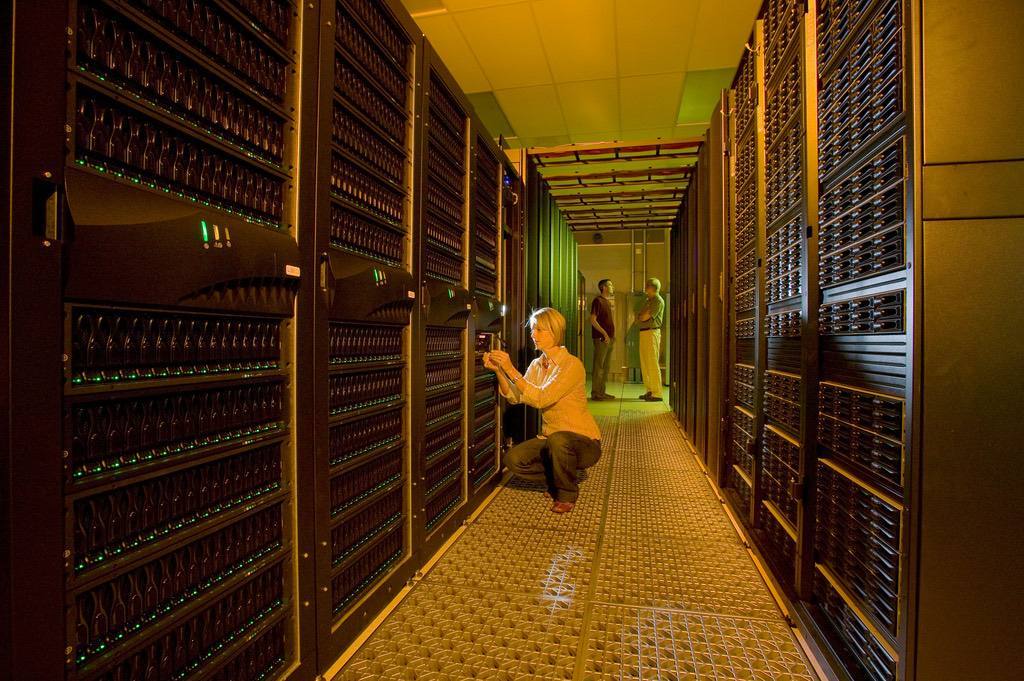
Volcanic Activity: A Closer Look
Volcanoes have long captured the human imagination, their eruptions often seen as both awe-inspiring and terrifying. As we monitor these geological giants, it’s essential to separate fact from fiction. Various public claims surrounding volcanic activity often lead to alarmist rhetoric that can overshadow scientific reality.
The recent uptick in seismic activity at several global volcanoes has prompted a flurry of public speculation and fervor. Some are quick to draw conclusions, suggesting an imminent catastrophe based on limited data. This rush to judgment can create unnecessary panic, detracting from the measured responses required in dealing with natural events.
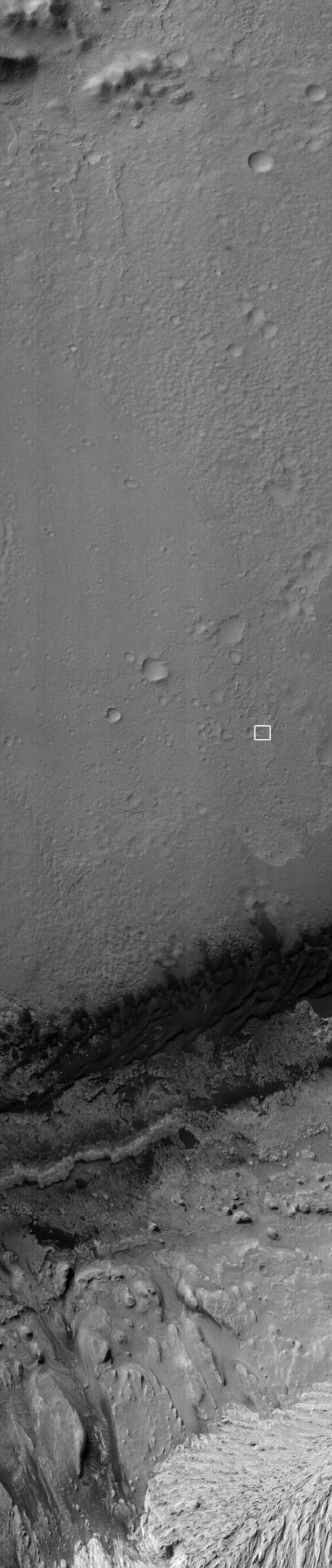
Claims Versus Scientific Monitoring
Scientific monitoring of volcanoes relies on a host of technologies, including seismographs, satellite imagery, and gas emissions analysis. While public sentiment may lean toward sensational claims, the reality is often more nuanced. For instance, the recent volcanic unrest in the Pacific Rim has led to a series of alerts; however, these alerts are often precautionary in nature, designed to prepare communities for potential activity rather than to predict eruptions with certainty.
"Public claims about volcanic eruptions often lack the rigor of scientific inquiry, leading to widespread misinformation."
It is vital for both the media and the public to understand that while volcanic eruptions can be catastrophic, not every seismic event warrants alarm. The role of scientists is to provide clarity amid the chaos. They monitor changes and communicate risks, but the translation of this information into public discourse can sometimes be distorted.
The Role of the Media
In this information age, the media plays a crucial role in shaping public perceptions of volcanic activity. Headlines can often sensationalize the potential threats posed by volcanoes, leading to a misinformed public. Outlandish claims can overshadow the sober assessments provided by experts, leading to a cycle of fear and misinformation.
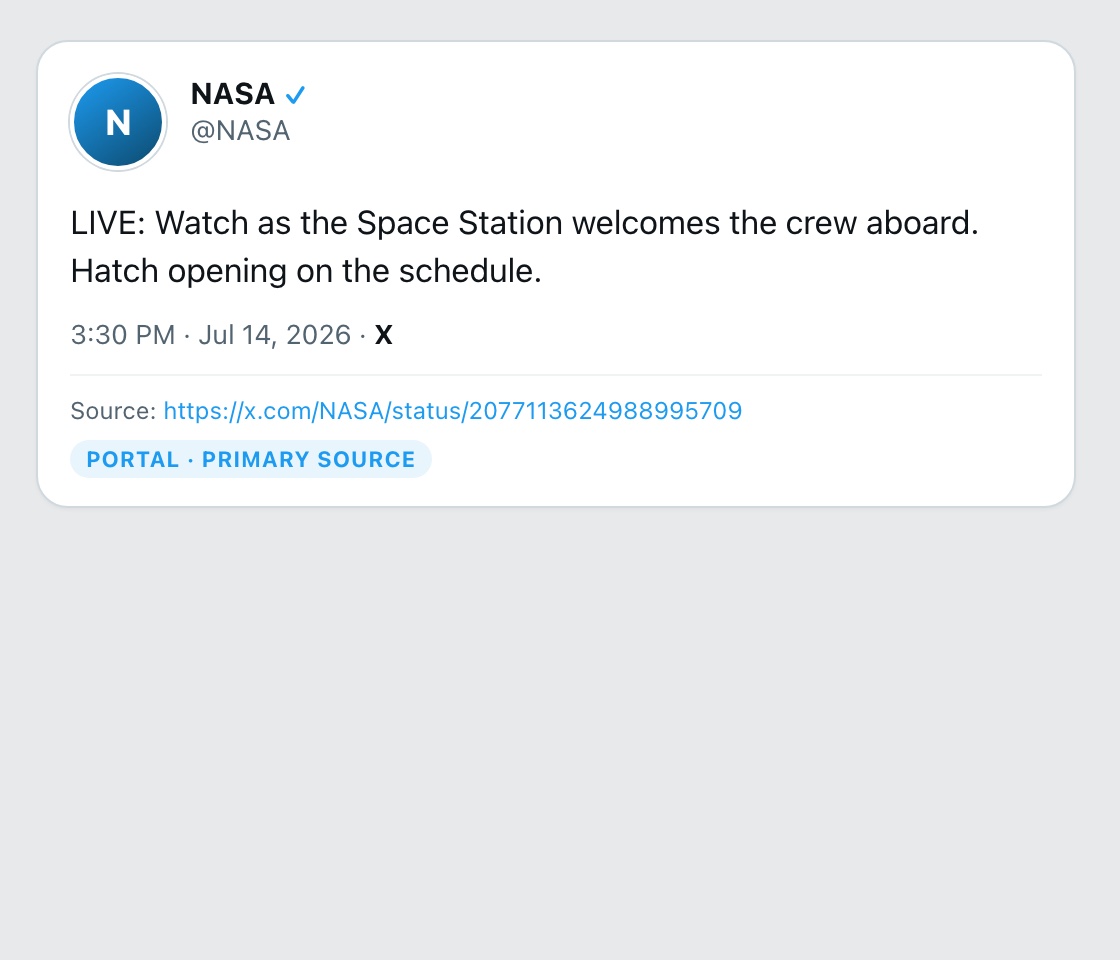
As journalists, we must navigate this landscape with care. Spreading awareness about volcanic activity is important, but so is the responsibility to report accurately. While it is tempting to capture attention with dramatic narratives, we must prioritize factual reporting based on scientific evidence. The balance between engaging storytelling and responsible journalism is a tightrope walk that requires diligence and integrity.
What the Data Shows
Recent studies have shown that while certain volcanoes exhibit signs of unrest, many others remain stable. For instance, the ongoing activity at Mount St. Helens has generated significant media coverage, yet the data suggests that while activity levels are elevated, the risk of a catastrophic eruption remains low in the immediate future. This discrepancy between public perception and actual risk underscores the need for clear communication from scientists to the media and, in turn, to the public.
Finding Common Ground
Both ends of the political spectrum have a stake in how volcanic activity is reported and understood. On one side, environmentalists may amplify fears of volcanic hazards to argue for stricter land use regulations or climate action. On the other hand, skeptics may downplay volcanic risks, arguing against government intervention or emergency preparedness measures. This polarization can muddy the waters of scientific discourse and policy.
It is essential for individuals on both sides to seek a balanced understanding. Environmental concerns are valid, yet they should not lead to panic-driven policies that overlook scientific consensus. Conversely, those who dismiss the potential for volcanic catastrophes should consider the historical context of eruptions and their impacts on communities.
The Path Forward
As we continue to monitor volcanic activity, our collective approach must be rooted in scientific integrity and clear communication. The public deserves accurate information to make informed decisions, particularly in times of uncertainty. By fostering a culture that values scientific expertise while addressing public concerns, we can bridge the gap between alarmist claims and empirical data.
✦ ✦ ✦